The Dickin Medal: The Victoria Cross for Animals and Its Most Heroic Recipients
The PDSA Dickin Medal is the highest award an animal can receive for service in conflict. Created in 1943 by Maria Dickin, founder of the People’s Dispensary for Sick Animals, it recognizes “outstanding acts of bravery or devotion to duty.” It quickly became known as the animal equivalent of the Victoria Cross.
The bronze medallion carries the words “For Gallantry” and “We Also Serve,” framed by a laurel wreath. Its ribbon combines green, dark brown, and sky blue to represent sea, land, and air forces. Since its creation, the medal has been awarded 75 times, including one honorary award in 2014, and its recipients include 38 dogs, 32 pigeons, 4 horses, and 1 cat.
Maria Dickin introduced the medal during World War II after witnessing how animals supported military operations and civilian rescue efforts. Messenger pigeons carried critical updates across enemy lines, dogs searched rubble after air raids, and horses transported supplies under fire. The medal gave those actions a place in history.
Early Heroes Who Changed How War Was Fought
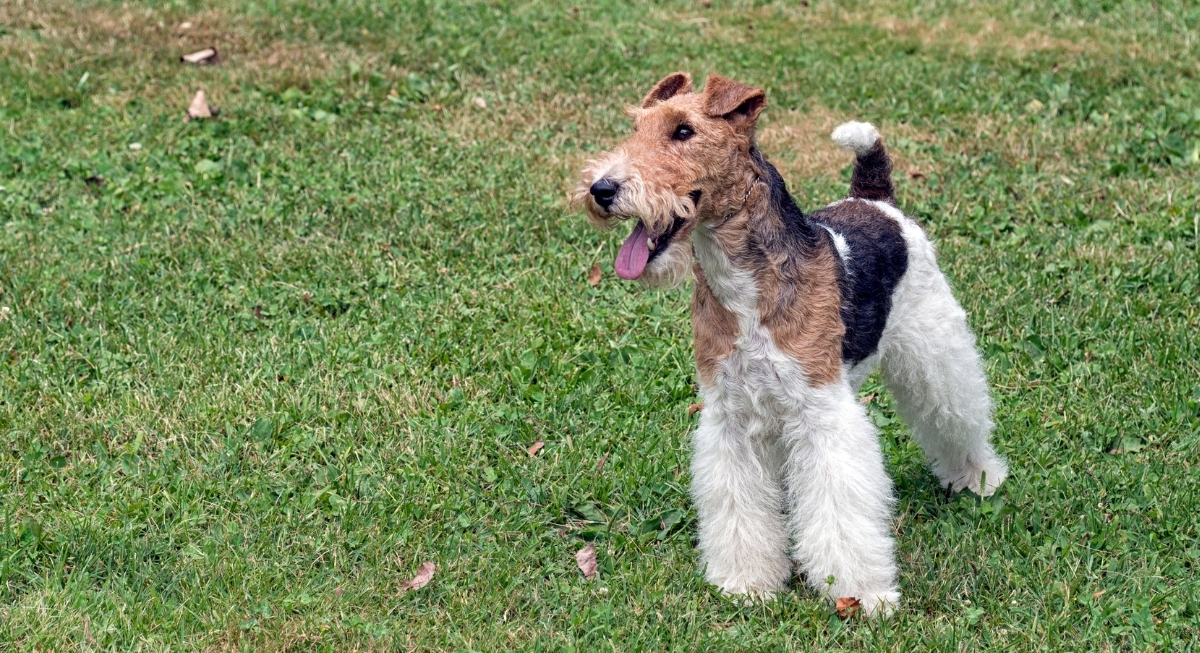
Image via Getty Images/Goldfinch4ever
Some of the first recipients reshaped how animals were viewed in combat. Beauty, a wire-haired terrier who was awarded in January 1945, started as a companion to a rescue worker during the Blitz. Without formal training, she began digging through rubble on her own and eventually located 63 trapped animals. Her actions helped establish the role of trained rescue dogs.
Messenger pigeons also proved essential. Commando completed more than 90 missions during World War II, carrying intelligence between Britain and occupied France. Others, like White Vision and Gustav, flew through poor weather and enemy territory to report downed aircrews or major military movements. Their reliability made them a lifeline when radio communication failed.
Stories That Are Still Distinct
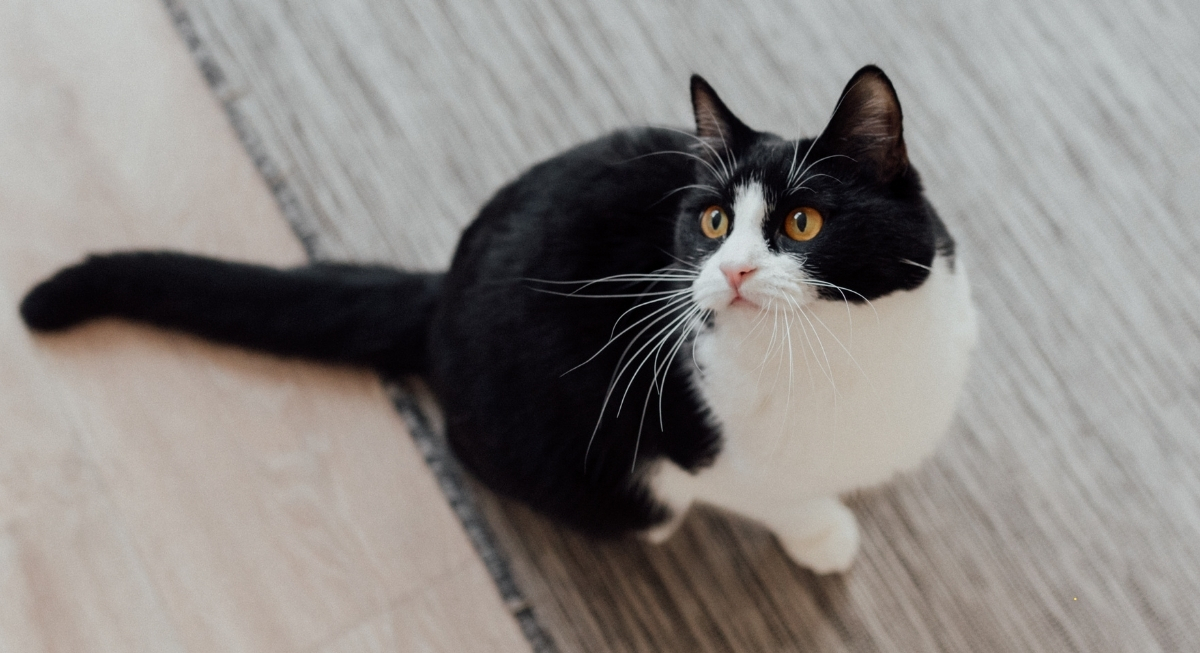
Image via Pexels/Arina Krasnikova
A few recipients continue to stand out for the scale of their actions. Simon, a ship’s cat awarded in 1949, served aboard HMS Amethyst during the Chinese Civil War. After the ship came under heavy fire and became stranded for over 10 weeks, Simon, despite injuries, controlled a severe rat infestation that threatened food supplies and crew safety. He became a symbol of resilience for the crew.
Reckless, a United States Marine Corps horse during the Korean War, carried ammunition across dangerous terrain. In March 1953, she completed 51 trips in a single day under fire, delivering supplies and evacuating wounded soldiers. She later received military promotions and, decades later, was awarded the Dickin Medal for her service.
Gander, a Newfoundland dog serving with the Royal Rifles of Canada in 1941, stopped enemy advances on multiple occasions. In his final act, he picked up a live grenade and carried it away from injured soldiers, saving lives at the cost of his own.
Modern Recipients in a Different Kind of War
The medal is still awarded in modern conflicts, where the nature of risk has changed, but the danger remains just as real. In 2019, Kuno, a British military dog deployed in Afghanistan, charged an armed insurgent while under machine gun fire. He was seriously wounded during the mission and later received a prosthetic limb. He became the first military working dog to receive one.
Bass, awarded in January 2023, served with the United States Marine Special Operations. During a night raid in Helmand Province in May 2019, he identified five hidden explosive devices inside a building, preventing casualties among American and Afghan forces.
Even outside traditional battlefields, acts of bravery stand out. Diesel, a French police dog, was killed during a counter-terror raid in Paris in November 2015 after being sent in to assess a threat under gunfire.
The Dickin Medal exists because Maria Dickin believed these actions deserved recognition equal to any human act of courage. These animals carried messages across enemy lines, located survivors in burning cities, detected explosives, and shielded soldiers in moments that could have gone very differently.