The Duba Plains, Where Scientists Discovered 250kg Lions
In most places, a 250-kilogram lion would sound like a stretch. But in northern Botswana, people who spend their lives around wildlife kept noticing something unusual. Lions in the Duba Plains looked different. The males appeared broader, heavier, and built with a kind of strength that stood out even to experienced researchers and filmmakers.
The setting helps explain why. Duba Plains sits within the Okavango Delta, where floodwaters spread into a rich wetland instead of a dry savannah. Here, lions regularly take on Cape buffalo and move through waterlogged terrain. Hunting powerful prey and navigating that environment shapes their bodies over time, leading to the unusually large, muscular males observers keep reporting.
Why These Lions Push Past 500 Pounds
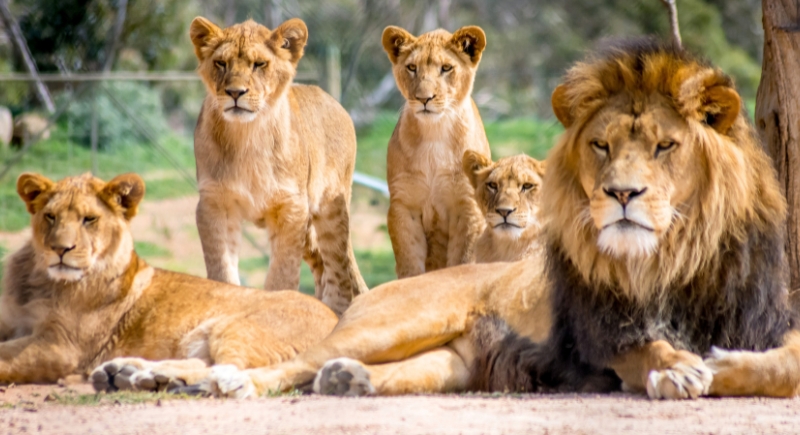
Image via Canva/Cat Bell’s Images
Across southern Africa, adult male lions usually weigh around 185 to 200 kilograms, or roughly 408 to 441 pounds. Even the heaviest verified wild males rarely exceed 225 kilograms, about 496 pounds. Then come the Duba Plains lions.
Field observations and long-term tracking in the Okavango Delta have described males that appear to reach or exceed 240 kilograms, which converts to about 529 pounds. Weighing lions in the Delta is difficult, so many of these figures come from experienced observers rather than scale measurements. Still, consistent reports from different teams point in the same direction: these lions are built bigger.
Females follow the same pattern. While female lions elsewhere average around 120 to 150 kilograms, Okavango females can reach 160 to 170 kilograms, putting them close to the size of males in other regions.
Built By Water, Not Just Food
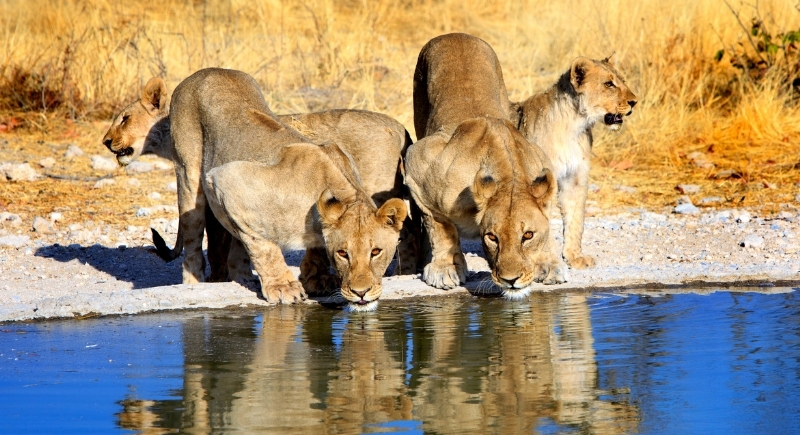
Image via Getty Images/paulafrench
Food plays a role, but the environment is what really reshapes these lions. Life in the Delta follows a different rhythm. Cooler, water-rich conditions make daytime hunting more common, so these lions remain active for longer periods and exert constant pressure on their prey.
Water also becomes part of daily movement. Duba Plains lions regularly cross channels, something most lions avoid. That repeated effort builds strength, especially in the shoulders and forequarters. Even their appearance reflects the setting. Males often develop lighter, less dense manes, which makes it easier to cope with the humidity and heat of the wetlands.
Strength Comes With A Cost
Size does not make life easy, and male lions still face the same brutal timeline. Only about one in eight males survives to adulthood. Around age two, young males get pushed out of their pride and forced to survive on their own or with a small coalition. They spend years moving between territories, avoiding stronger rivals and searching for a chance to take over a pride.
That takeover rarely happens calmly. Fights between coalitions can end in death, and the winners claim control. When new males take over, they usually kill existing cubs so their own genes can take priority. Even the biggest lions have to survive that system before they ever reach their full size.
Duba Plains remains one of the few places where these unusually large lions continue to thrive. Botswana hosts around 3,000 lions, supported by strong conservation policies and large, unfenced reserves such as the Okavango Delta.