The Emotional Bond You Share With Your Parrot Is Deeper Than You Think
Most people are familiar with the emotional presence of dogs and cats in a household. Living with them makes it clear that animals can recognize people, respond to routines, and form attachments that shape daily life.
Parrots form bonds just as real, even though they express them through different signals. Their communication relies on attention, sound, memory, and proximity. These behaviors often go unnoticed because they do not conform to the emotional cues people typically expect from pets.
Parrots are social animals with long lifespans and strong recall. When they live with humans, those traits shape how relationships develop. Repetition, shared environments, and daily interaction gradually establish trust and attachment that carry lasting emotional weight.
This bond develops through familiarity. Over time, it becomes an integral part of how the parrot understands its world and its place within it.
Parrots Live as Social Partners in the Home
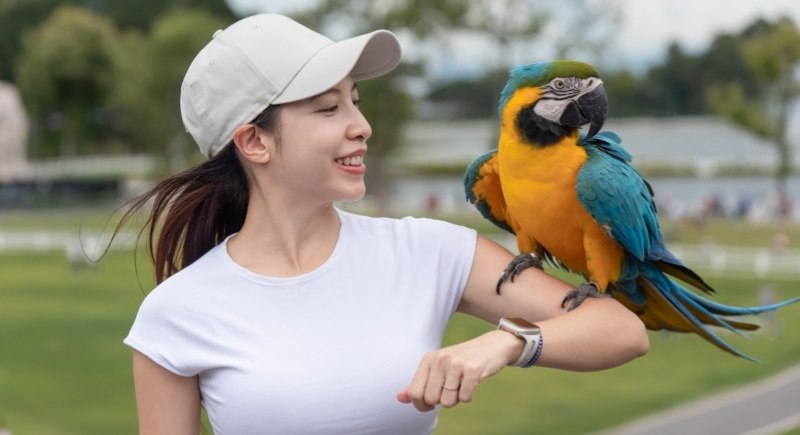
Image via Canva/MB Lifestyle
In the wild, parrots depend on close-knit social groups for survival. Flocks provide structure, stimulation, and constant interaction. Those instincts remain active in a home environment, where the people around them become part of their social framework.
A caregiver serves as a trusted presence through consistent routines and shared experiences. Simple patterns such as greeting sounds, mealtime behavior, movement through the house, and background conversation all contribute to how a parrot identifies connection.
As that relationship strengthens, parrots respond selectively. They seek out familiar people, react to emotional shifts, and adjust their behavior based on shared history. These responses reflect social awareness built through experience.
Intelligence Shapes Emotional Depth: How Parrots Experience Loss
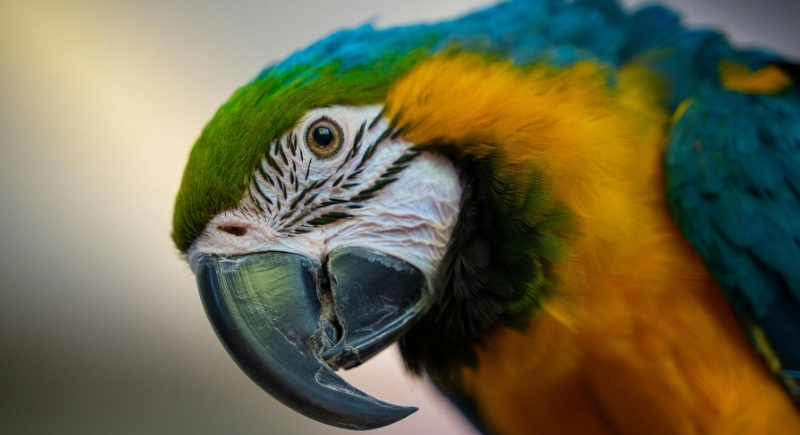
Image via Pexels/Felix Perez Mercado
Parrots possess advanced cognitive abilities that influence how they relate to people. Studies have shown strong memory, problem-solving skills, and emotional sensitivity across many species.
Their intelligence allows them to recognize individuals, remember past interactions, interpret tone and body language, and respond to context. Because they notice patterns, parrots respond strongly to consistency. Stable attention builds security, and emotional connection grows through predictability. Sudden shifts create uncertainty.
This ability to form enduring attachments is why separation carries emotional consequences. When a bonded person disappears due to death, rehoming, or prolonged absence, many parrots show clear signs of distress.
Some birds become quieter and less engaged. Others lose interest in food or withdraw from interaction. In more severe cases, emotional strain appears through feather plucking or repetitive behaviors. These reactions stem from disruption in the parrot’s social world.
Parrots process change gradually. Their reliance on routine and memory means emotional recovery unfolds over time, especially when a single relationship played a central role in daily life.
Why Many People See Their Parrot as More Than a Pet
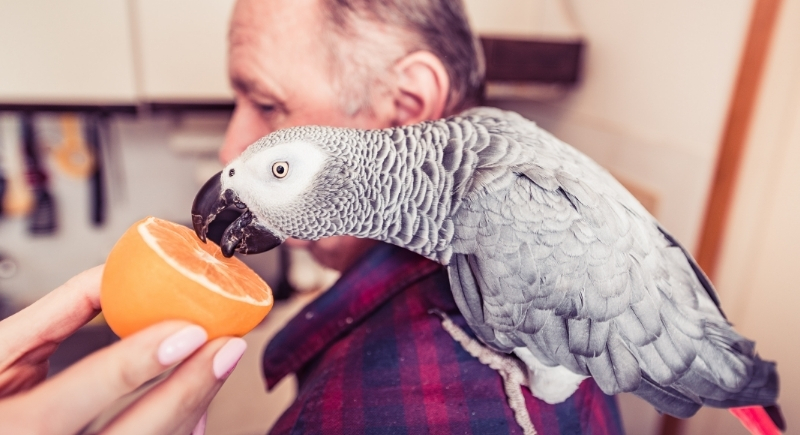
Image via Getty Images/egon69
People who live closely with parrots often describe the relationship in terms that extend beyond ownership. The bond feels participatory rather than supervisory.
Parrots engage with daily life. They react to conversations, observe routines, and insert themselves into shared spaces. Over time, this presence reshapes how companionship is understood within the household.
The relationship develops through mutual adjustment. Trust and communication replace control and expectation. This dynamic creates emotional closeness that feels personal and enduring.
When Parrots Outlive the People They Love
Many parrots live 40 to 50 years or longer, which often means they experience multiple human lifetimes. When a bonded caregiver dies, parrots frequently face relocation during an already stressful emotional period.
A stable new home supports recovery by offering consistency, patience, and time. Gradual adjustment helps parrots rebuild trust and regain a sense of security after loss. That’s why long-term planning is important in parrot care. Thoughtful transitions protect emotional well-being and reduce the intensity of grief.