The Forgotten History of Ship’s Cats and Their Essential Role at Sea
Life at sea used to depend on more than just sailors and supplies. Ships often had cats on board, and they weren’t there for company. On crowded wooden vessels, rats and mice could ruin food, chew through ropes, and spread illness fast. That could put an entire journey at risk. Cats kept those problems under control naturally, which made them essential. Long before modern navies, having a cat on board was simply part of how a ship stayed safe and running.
From Ancient Decks to Global Trade Routes
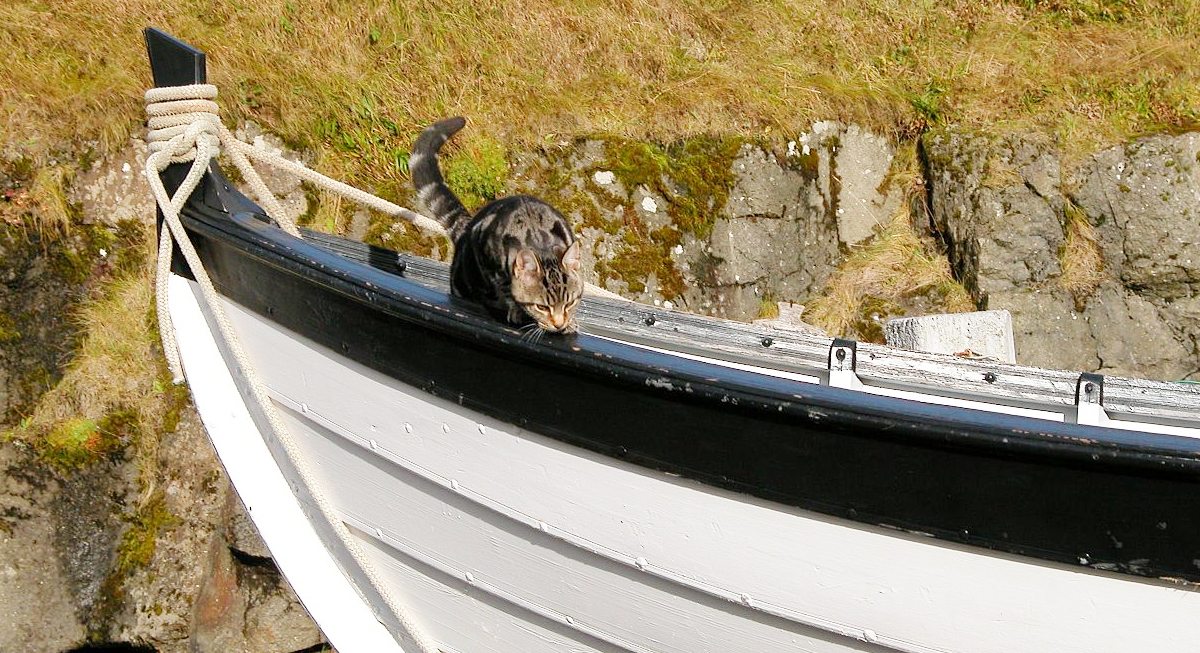
Image via Wikimedia Commons/Erik Christensen
The use of cats at sea stretches back thousands of years. Ancient Egyptians are believed to have brought cats aboard boats traveling along the Nile, where they protected stored food and hunted birds along riverbanks.
As maritime trade expanded, so did the role of cats. Phoenician traders carried them across the Mediterranean, introducing them to new regions and contributing to their spread across Europe and beyond. Ships moved species, and cats became one of the earliest examples of animals traveling with humans as part of a functional system, not simply as companions.
By the time organized naval forces emerged, the value of cats was already well understood. They were no longer an informal addition. They were expected.
Essential Crew Members, Not Passengers
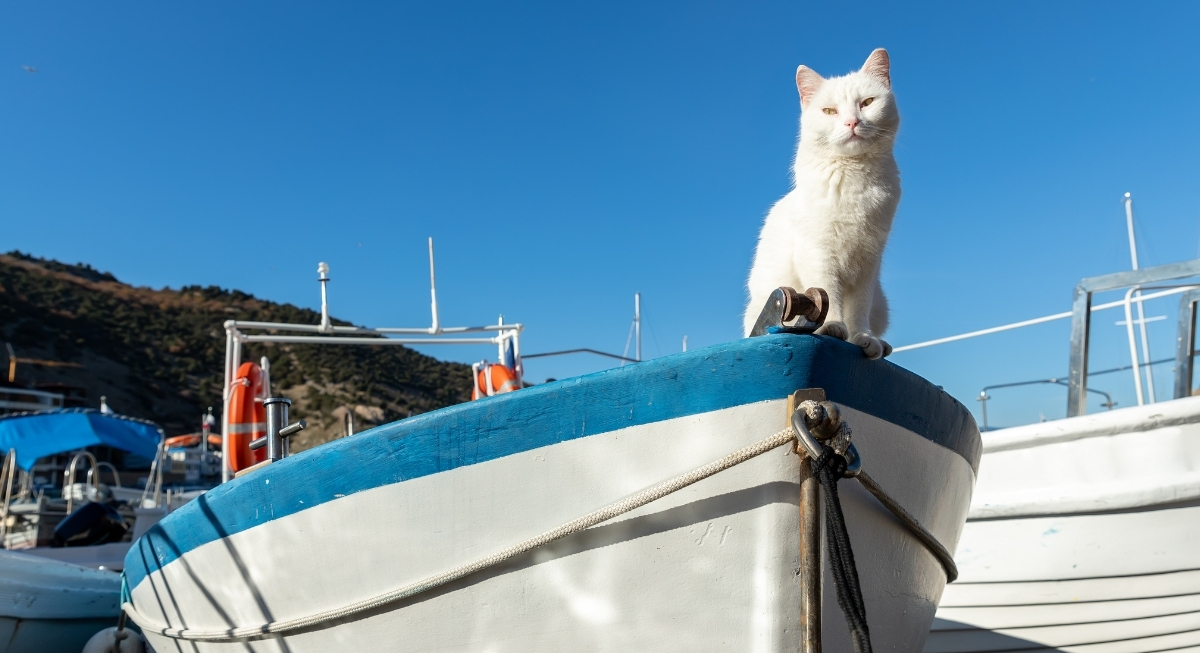
Image via Canva/Kyryl Gorlov’s Images
Life aboard a ship created the perfect conditions for rodents to thrive. Grain stores, wooden structures, and tight quarters made it easy for rats to multiply and difficult to eliminate them. The consequences went beyond inconvenience. Rodents could chew through ropes and sails, contaminate food supplies, and introduce disease into already vulnerable crews.
Cats hunted constantly, required little maintenance, and adapted quickly to the environment. Their effectiveness led governments and naval organizations to formalize their presence. In the 19th century, the U.S. government even acquired groups of cats specifically to protect important materials from rodent damage before supplying them to naval vessels.
During the First World War, the British military gathered thousands of stray cats and distributed them across ships, where they were treated as part of the crew. Some ships carried several cats at a time, each claiming its own territory. Those near food storage areas often became the most well-fed, while others stayed below deck, where infestations were worst.
Built for Life at Sea
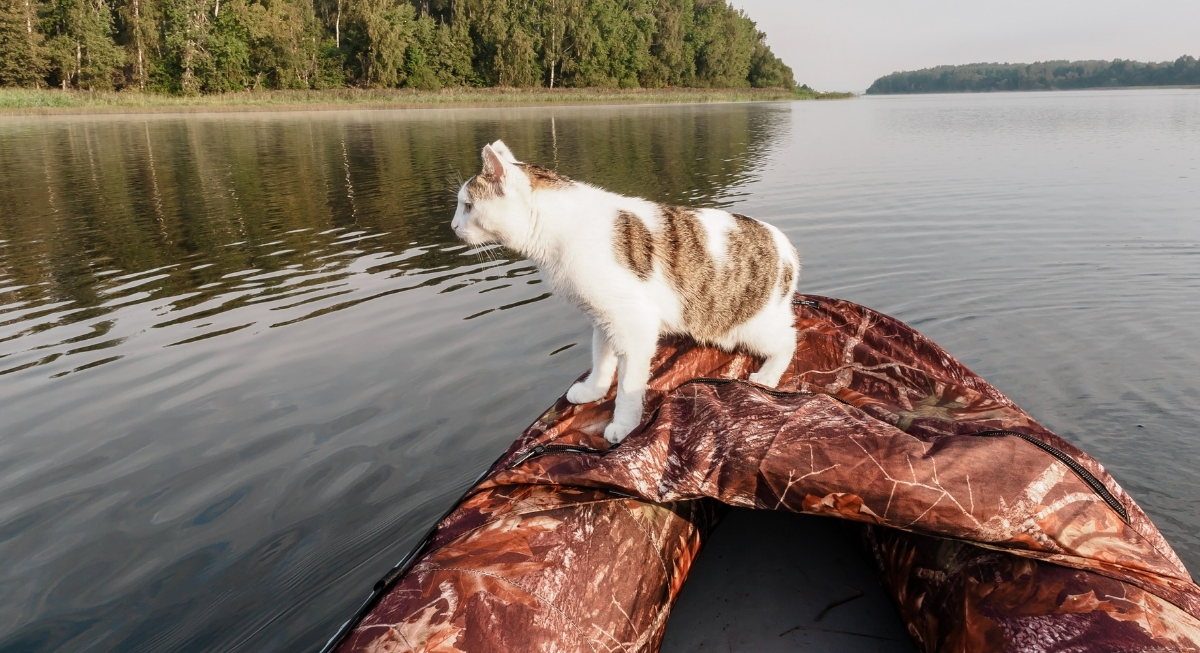
Image via Getty Images/Zozulya
Despite their reputation for avoiding water, cats adapted remarkably well to maritime life. They could survive on a diet of fish and whatever they caught onboard, and unlike humans, they did not rely heavily on fresh water. Some even learned to catch fish directly from the deck or snatch them as they passed near the hull.
Their behavior also made them useful in unexpected ways. Sailors paid close attention to how cats reacted to changes in their environment. Sudden agitation or unusual movement was sometimes interpreted as a sign of shifting weather conditions.
While early explanations relied on superstition, later observations suggested that cats responded to subtle changes in air pressure before storms. That sensitivity added another layer to their value, reinforcing the idea that they were more than simple pest control.
Morale, Superstition, and Shipboard Life
Long voyages created isolation that could wear on even the most experienced crews. Cats helped soften that by offering a point of connection among sailors who spent months away from home. Even one animal could become a shared focus, easing tension and strengthening relationships across ranks.
Cats were also seen as symbols of luck, and their behavior was often tied to the fate of the ship. A cat willingly boarding a vessel was considered a good sign. One who refused to stay or jumped ship before departure was taken more seriously. Some cats became so integrated into daily life that they were given names, sleeping spaces, and even uniforms. A few were recorded in ship logs and treated with a level of recognition that mirrored human crew members.
When One Cat Meant More Than the Ship
Image via Pexels/Aysegul Aytoren
Certain ships’ cats became known far beyond the vessels they served on. The HMS Amethyst cat, Simon, for example, remained aboard during a prolonged military crisis in 1949, continuing to hunt rats even after being wounded in an attack that killed members of the crew.
His presence helped maintain order and morale during a period of extreme stress, and he was later formally recognized for his service.
Unsinkable Sam became a symbol of endurance after surviving multiple ship sinkings during the Second World War. Rescued each time, he eventually lived out his days on land, but his story followed him as a reminder of how often these animals shared the same risks as the sailors around them.
Why Ship’s Cats Disappeared
By the mid-20th century, the conditions that made cats essential began to change. Advances in pest control reduced the need for onboard hunters, and improved ship design made it harder for infestations to take hold.
At the same time, stricter international quarantine laws created new complications. Cats that left ships in foreign ports could trigger fines or legal issues for captains, especially if they bypassed required health checks. What had once been an advantage became a liability.
As a result, navies gradually moved away from keeping animals onboard. The Royal Navy formally banned cats and other pets in 1975, marking the end of a tradition that had lasted for generations. While policies differ today, the presence of cats on ships is now rare and typically requires special permission.