The Hidden Cost of Keeping a Single Guinea Pig Against Breed Recommendations
People often bring home a single guinea pig, thinking it will be an easy, low-cost pet. They are small, quiet, and do not seem nearly as demanding as a dog or cat at first. A cage, some pellets, and a few vegetables can make it feel manageable. Then the guinea pig starts hiding more, eating less, or acting nervous all the time, and owners realize something important was missing from the start.
Trying to cut costs by keeping only one guinea pig can create problems owners never expected. Vet visits become more common, behavior changes get harder to manage, and the animal’s overall health can slowly decline. What looked cheaper at first often becomes far more stressful and expensive later.
Why One Guinea Pig Often Costs More
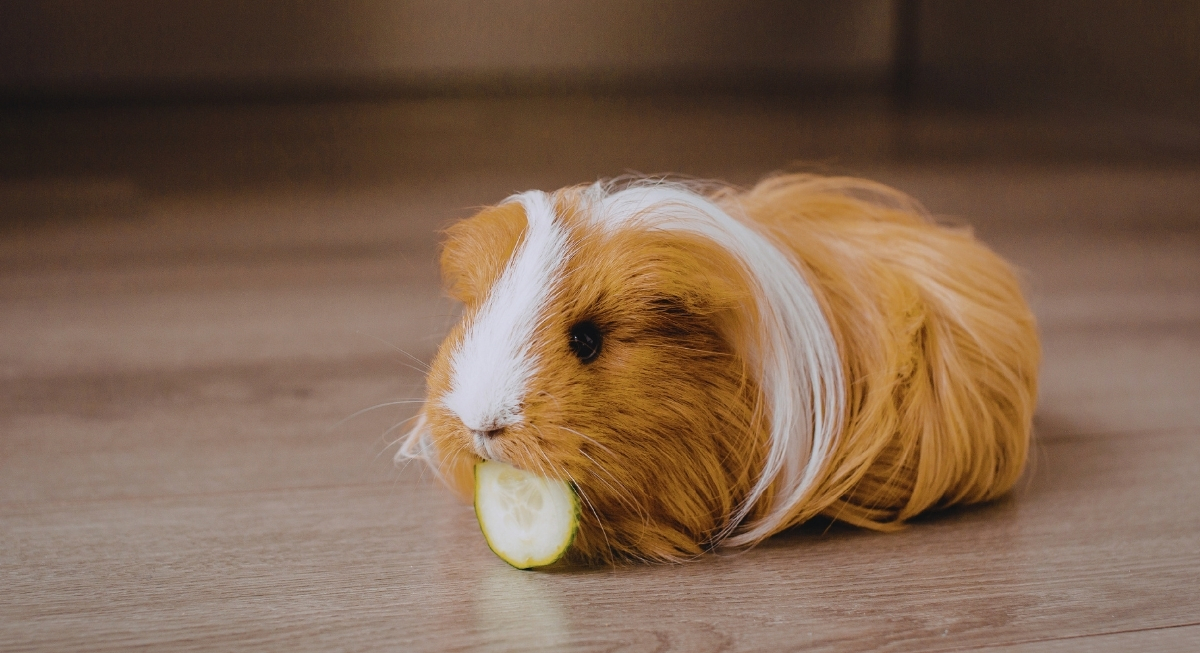
Image via Canva/Sebastian Moldoveanu’s Images
The first expense shock usually hits before the guinea pig even settles in. A proper setup already includes a large cage, hay, pellets, bedding, vegetables, hideouts, toys, water bottles, and vet care. According to A-Z Animals, startup costs can easily reach $150, even at the lower end.
Chewy’s 2025 guinea pig care guide pushes the numbers much higher for owners following modern care standards. A properly sized habitat for two guinea pigs can cost several hundred dollars on its own. At the same time, annual care may range between roughly $2,000 and $5,400 once food, bedding, supplements, and veterinary care are factored in.
Stress Has a Price Tag
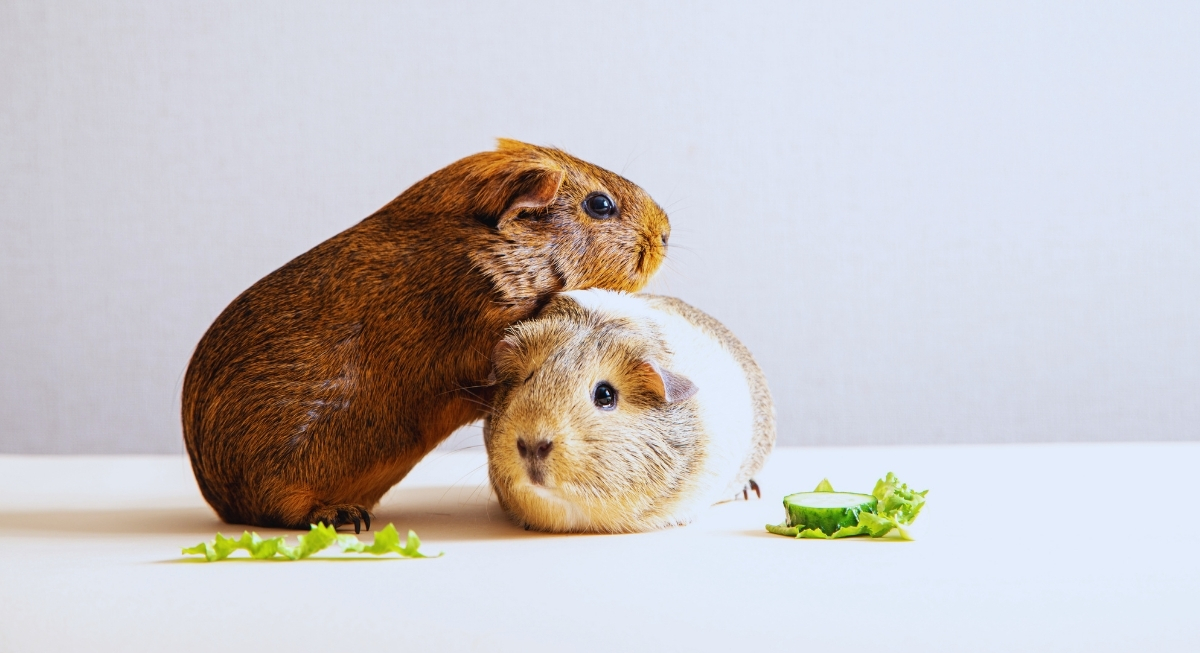
Image via Canva/Ivanna Pavliuk
Guinea pigs hide illness well. Exotic vets constantly warn owners that subtle behavior changes matter. Less eating, low energy, weight loss, or unusual quietness can point to bigger problems.
Stress also plays a role. Social isolation can reduce activity and appetite, especially in guinea pigs with naturally shy temperaments. Some become withdrawn, while others become clingy and anxious. Either way, owners usually end up scheduling extra wellness visits because something feels off. Chronic illness can push yearly medical costs into the thousands.
The “Easy Pet” Myth Falls Apart Fast
Guinea pigs are still marketed as beginner pets, especially for kids. The reality looks closer to a small exotic animal with constant dietary needs and strong social instincts.
They require unlimited hay, fresh vegetables rich in vitamin C, safe chewing materials, and enough space to move comfortably. Wire flooring can cause injuries. Cedar and pine bedding may trigger respiratory problems. Emergency exotic vet care often costs far more than owners expect.
A lonely guinea pig can also become harder to handle socially. Some lose confidence and resist interaction. Others become dependent on constant human attention. That pressure lands directly on the owner, especially in households where schedules change often.
Two guinea pigs usually entertain each other between feedings, naps, and playtime. One guinea pig often expects its owner to fill every gap. That hidden workload rarely appears in the adoption fee.
Rescues have noticed the pattern for years. Many now refuse to adopt single guinea pigs into homes unless another guinea pig already lives there. Some shelters only adopt bonded pairs. The policy sounds strict until you look at the bigger picture. The extra guinea pig might be the cheaper option.