The Moment an Older Cat Decides It Trusts a New Household Member
Having a cat at home means there are a few very specific areas they have reserved for themselves. This can include the couch, hallway, or sunny patch near the window. Everything works fine until you suddenly bring in a new cat; the entire house turns into a cold war fought through side-eyes, flattened ears, and dramatic exits down the hallway.
That tension can last for days, weeks, or even months. Animal behavior groups like the RSPCA and Humane World for Animals both stress that cats rarely greet newcomers with instant excitement. Most see an unfamiliar cat as an intruder first and a roommate second. Older cats can take even longer because they’re attached to routine and less interested in chaos.
The Real Test Starts With Space
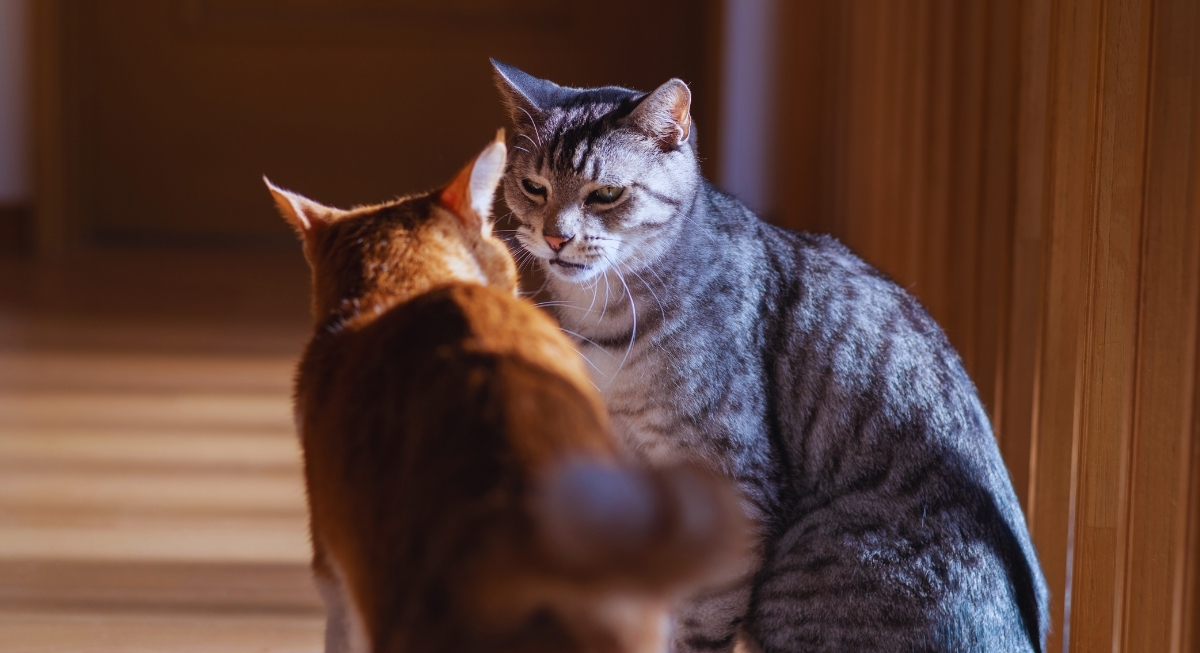
Image via Getty Images/rai
Experts consistently recommend separating cats at first, especially when an older cat already rules the home. The new arrival usually stays in a separate room with its own litter box, food, toys, and sleeping area while the resident cat adjusts to the scent.
This is important because cats rely heavily on smell to decide what feels safe. Groups like PetMD and the RSPCA both recommend scent swapping before direct interaction even begins. Owners trade bedding, toys, or soft cloths, rubbing them around each cat’s face so both animals can investigate the newcomer without pressure.
An older cat that hisses at the door one day may casually sniff the newcomer’s blanket the next. That’s usually the first sign things are moving in the right direction.
Tiny Signals Mean More Than Big Gestures
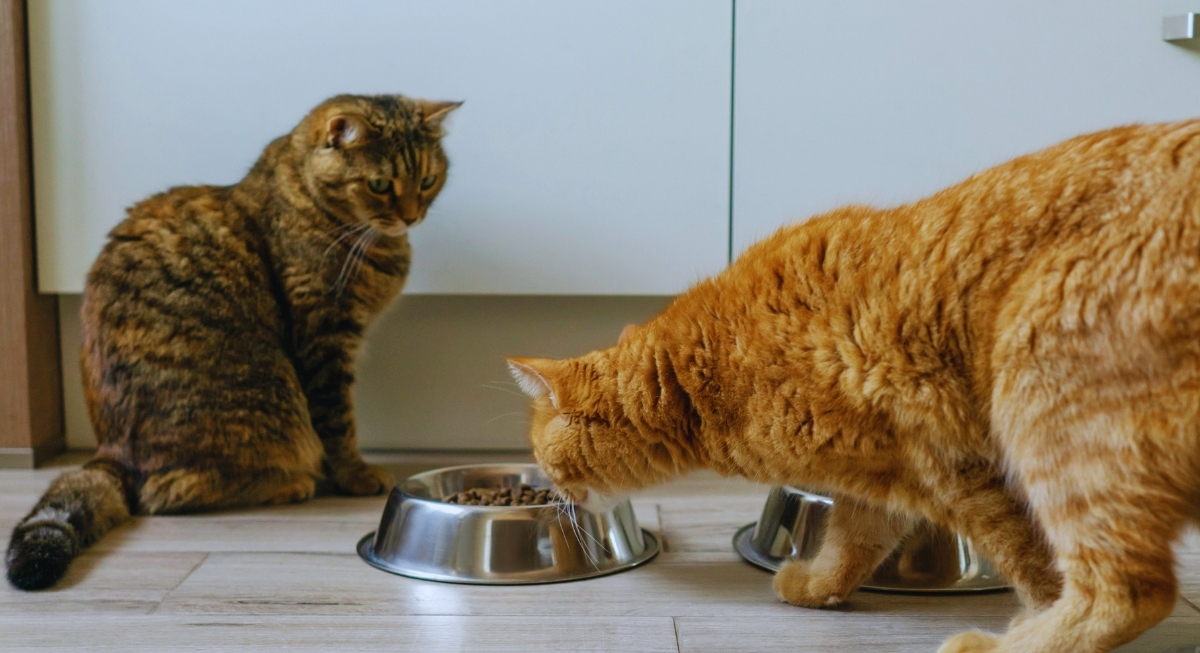
Image via Canva/Tatiana Maksimova
People expect dramatic breakthroughs between cats, but most of the time, trust shows up in small behaviors. Humane World for Animals points to a few major signs: eating treats together, ignoring one another without tension, touching noses through a gate, or calmly playing while the other cat stays nearby.
Ignoring each other might sound rude to humans, but for cats, it can be a huge compliment. An older cat that stops monitoring the newcomer every second has already lowered its guard. That’s often the turning point. The house starts feeling less like disputed territory and more like shared space.
The First Shared Routine Changes Everything
Veterinary behavior advice often focuses on supervised play and feeding because routines help cats settle into predictable patterns. That’s why many introductions improve during mealtime.
An older cat may refuse to approach the newcomer directly, but eventually, both cats begin eating within sight of each other. Then closer. Then, without staring each other down like rivals in an old Western movie.
Playtime can create the same shift. Wand toys, treats, or short sessions with both cats in the same room help redirect nervous energy. Over time, the older cat begins to associate the newcomer with things it already enjoys. That’s usually when owners witness the moment they’ve been waiting for.