The Most Expensive Tear in the World Has Incredible Medical Powers
On July 4, 2025, researchers at the National Research Centre on Camel in Bikaner, Rajasthan, released findings that changed how experts think about antivenom production. The team worked with Camelus dromedarius, also known as the Arabian Camel, and immunized the animals using venom from the saw-scaled viper, Echis carinatus sochureki, a highly venomous species responsible for many serious envenomations in India.
After immunization, scientists extracted antibodies from camels’ blood serum and tears. Laboratory analysis showed those antibodies neutralized toxic effects linked to hemorrhage and coagulopathy. Those two complications drive many severe outcomes in snakebite victims.
Researchers also reported fewer allergic reactions compared with conventional horse-derived antivenoms, which rely on equine immunoglobulin IgG. Traditional antivenoms are effective, but they are expensive to produce and require complex processing. Camel antibodies appeared more potent in testing and simpler to harvest.
Why Snakebites Make This Discovery Urgent
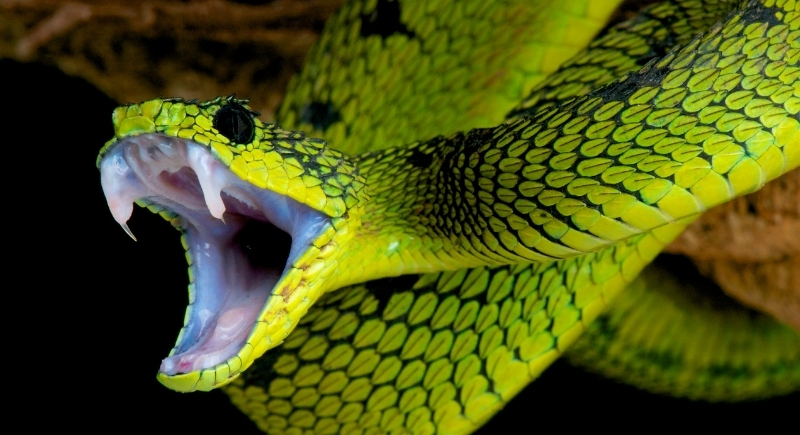
Image via Canva/Reptiles4All
India records nearly 58,000 snakebite deaths each year, along with about 140,000 cases that result in long-term disability. That burden ranks among the highest globally, with many cases occurring in rural areas where access to hospitals remains limited.
Effective treatment depends on timely administration of antivenom. Production costs, cold chain requirements, and allergic reactions can complicate care. A treatment that is easier to produce and triggers fewer adverse reactions could reshape outcomes for thousands of families each year.
Why Camels Hold the Advantage
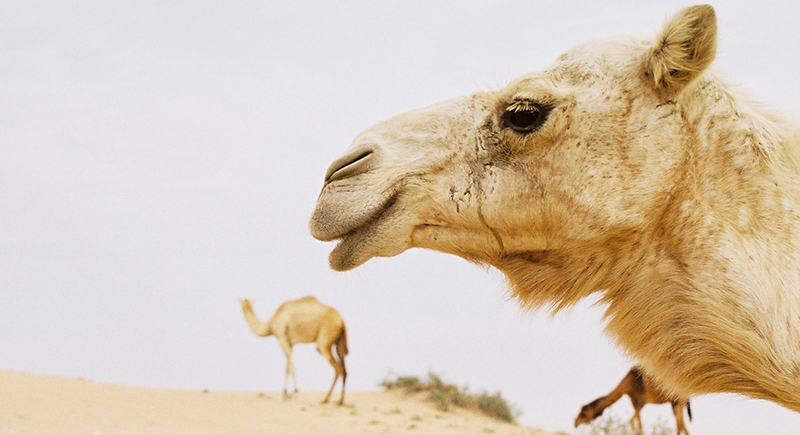
Image via iStockphoto/razordude
Camels possess a distinctive immune system that produces smaller, stable antibodies often called nanobodies. These antibodies can bind tightly to toxins and remain functional in harsh environments. Rajasthan’s desert climate exposes camels to extreme heat and biological stress, which contributes to their resilient immune response.
During the NRCC trials, antibodies collected from tears and serum demonstrated strong neutralizing capacity against venom components that damage blood vessels and disrupt clotting. Scientists confirmed activity against multiple snake venoms, expanding the potential scope of treatment beyond a single species.
The idea that one drop carries measurable neutralizing ability fueled headlines calling it the world’s most expensive tear. The label reflects projected medical and commercial value rather than retail pricing.
A New Revenue Stream for Camel Herders
The research has economic weight for communities in Bikaner, Jaisalmer, and Jodhpur. The NRCC established controlled and safe extraction protocols for tears and blood samples. Farmers who participate receive compensation.
Estimates suggest camel owners can earn an additional ₹5,000 to ₹10,000 per camel each month through partnerships tied to antibody collection. Pharmaceutical companies, including the Serum Institute of India and several private manufacturers, have shown interest in developing therapies based on camel-derived antibodies.