The Myths and Facts About Pit Bulls That Every Potential Adopter Should Know
Most people don’t start with a neutral view of pit bulls. What they’ve heard over the years, from news stories to local policies and even cases where dogs were wrongly identified, tends to shape that opinion early. When the same kind of stories keep coming up, they start to feel reliable, even if they don’t show the full picture.
At the same time, there’s another side that often gets missed. Many pit bulls live as stable, well-adjusted family dogs, and their behavior lines up closely with other popular breeds. That contrast can make things confusing if you’re thinking about adoption, because what you’ve heard doesn’t always match what you’ll actually experience.
What “Pit Bull” Actually Means
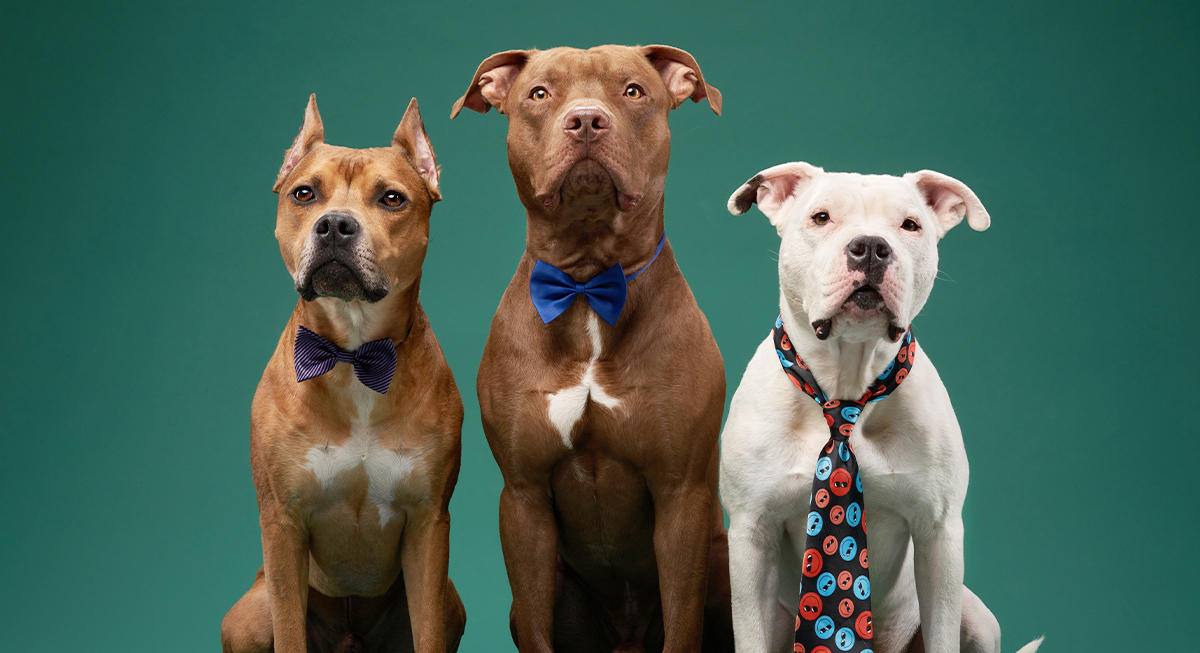
Image via iStockphoto/Anna-av
The term “pit bull” is not a single breed. It’s a broad label used to group several dogs with similar builds, including the American Pit Bull Terrier, American Staffordshire Terrier, Staffordshire Bull Terrier, and mixes with unknown ancestry.
That loose definition creates a problem. Dogs with short coats, wide heads, and muscular frames often get labeled as pit bulls even when DNA tests show no connection. Studies have shown that nearly 90 percent of dogs identified solely by sight are mislabeled, meaning many dogs counted in statistics may not belong to the breed group at all.
Why The Numbers Get Confusing
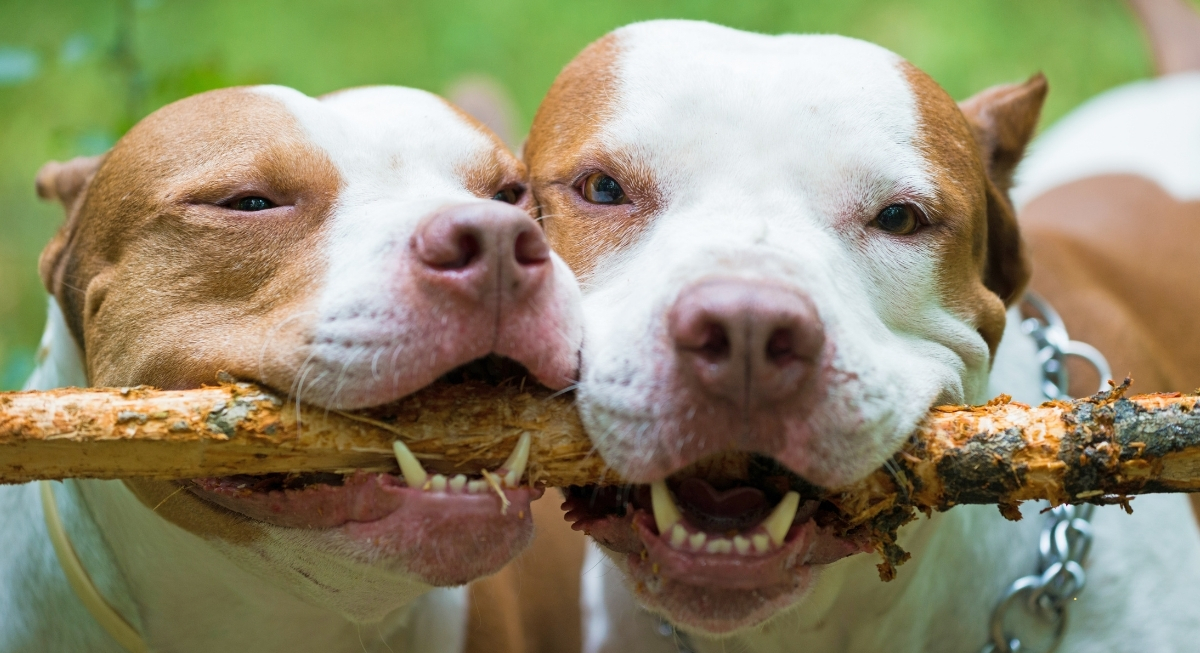
Image via Canva/yourapechkinphotos
Misidentification doesn’t just affect labels; it shapes how bite incidents are reported and understood. Research published in veterinary journals found that breed identification errors in media reports can exceed 40 percent, and that breed confirmation was possible in only a small proportion of cases. People often rely on those reports to judge risk, and when identification is inconsistent, the conclusions drawn from those numbers can easily miss the bigger picture.
The Temperament Reality

Image via Getty Images/Ksenia Raykova
One of the most common claims is that pit bulls are naturally aggressive, but testing tells a different story. The American Temperament Test Society has recorded passing rates of about 82 percent or higher for pit bull-type dogs, compared to roughly 77 percent for the general dog population.
Behavior also varies widely within any breed. A 2022 study published in Science found that breed alone is a poor predictor of individual behavior. Genetics can influence tendencies, but environment, training, and ownership play a major role in how any dog behaves.
Separating Dog Behavior From Human Safety
Confusion often arises from mixing different types of behavior into a single idea. Dog aggression and human aggression are separate traits. Some pit bull-type dogs may show intolerance toward other dogs, which ties back to selective breeding for dog-to-dog competition.
That history is real and still influences behavior in certain situations. That trait does not translate to aggression toward people. Even dogs bred for fighting were historically selected to remain manageable around humans.
The Shelter Reality Behind The Reputation
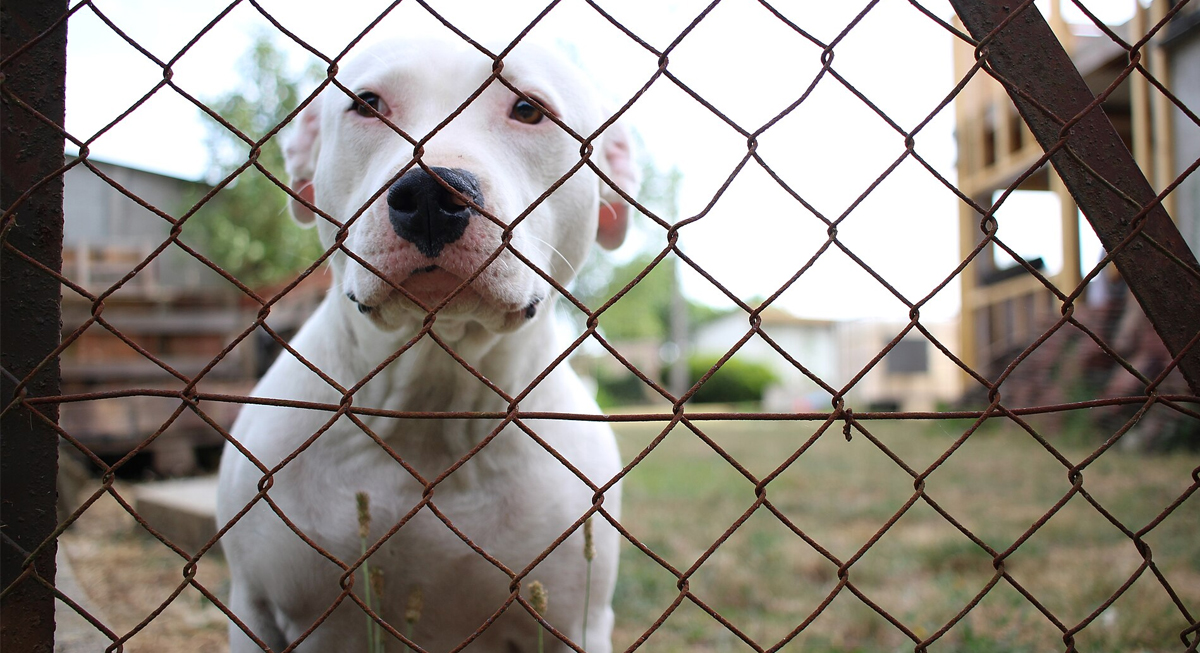
Image via Wikimedia Commons/GrandCelinien
Pit bull-type dogs are common in shelters, and the reason for this is often misunderstood. High numbers are linked to overbreeding, lack of spaying and neutering, and abandonment, not because they fail as family pets.
When shelters have many similar-looking dogs, adopters can feel overwhelmed and leave without making a choice. That creates longer stays for these dogs, even though many have already been evaluated for temperament and behavior before being made available for adoption.
The Anatomy Myths That Still Stick Around
Some of the most persistent claims focus on anatomy. The idea that pit bulls have locking jaws has no scientific basis. Their skull and jaw structure match that of other dog breeds.
Claims about extreme bite force also lack reliable data. Experts have noted that bite-strength comparisons across breeds cannot be measured accurately or meaningfully, making many widely shared numbers unreliable.
Adopting any dog requires understanding the individual animal, not just the label attached to it. Pit bull-type dogs can be highly trainable, eager to please, and well-suited for active households, but they also need responsible ownership, structure, and proper socialization.
Each dog brings its own mix of traits shaped by genetics, environment, and experience. That reality is more important than a name that still means different things depending on who’s using it.