The Netherlands Is Banning These Popular Cat Breeds Starting in 2026
Starting in 2026, the Netherlands will withdraw legal protection from certain cat breeds linked to serious, long-recognized health issues. After reviewing veterinary findings, weak enforcement, and ongoing breeding patterns, officials concluded that current regulations were not working.
Demand stayed high, breeding continued, and the welfare risks did not ease. The new law responds directly to that gap, reshaping how these cats can be bred, sold, shown, and kept.
The Affected Breeds

Image via Canva/Aflo Images
The law targets cats whose defining features come with known medical risks. Folded ears and hairless bodies made these animals stand out online, yet those same traits set off red flags for veterinarians.
Scottish Fold cats owe their folded ears to a genetic mutation that affects cartilage, and that mutation extends beyond ear shape. It often leads to stiff joints, chronic pain, limited mobility, and progressive skeletal issues that worsen as cats age.
Sphynx cats face a different set of problems. Their lack of fur makes year-round temperature regulation difficult. Skin remains exposed to sun damage, irritation, and infections. Missing whiskers and tactile hairs interfere with sensory awareness and communication, and the ear canals collect debris easily, increasing infection risk. Officials described these traits as examples of extreme genetic selection that prioritizes appearance over health.
Why Earlier Rules Fell Short
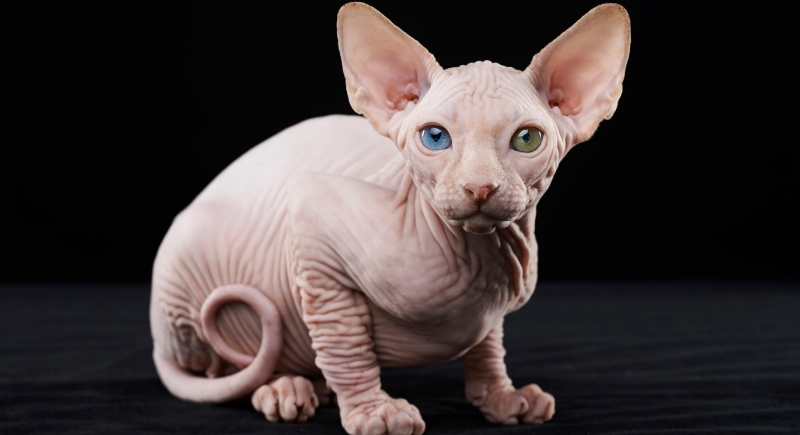
Image via Getty Images/Alexandra Draghici
Before 2026, the Netherlands had already limited the breeding of Scottish Fold and Sphynx cats. That move reduced local breeding but left a clear workaround. Buyers could still import kittens from abroad without breaking the law.
Interest did not fade. These cats stayed highly visible online, demand remained steady, and foreign breeders stepped in to supply the market. Lawmakers saw that the cycle never really stopped. The restrictions slowed things down but did not solve the problem. The new rule closes that gap by banning trade and purchases altogether, cutting off the route that kept these breeds circulating despite earlier limits.
What Changes Starting In 2026?
Beginning January 1, 2026, keeping folded-ear and hairless cats becomes illegal unless ownership predates the ban. Cats born later or lacking proper documentation fall under enforcement. Current owners are allowed to keep their pets under a transitional arrangement. Each cat must be microchipped and registered with the authorities before the deadline. That registration confirms legal ownership and prevents resale.
Exhibitions and competitions are off limits after the ban. Advertising and promotional use also face restrictions, part of a broader effort to reduce visibility and demand. The goal is consistent: fewer incentives mean fewer animals bred with built-in health risks. Violations can trigger administrative fines of €1,500.
Welfare Took Priority Over Aesthetics

Image via YuriArcurs/Peopleimages.com
State Secretary Jean Rummenie framed the move around preventing unnecessary suffering tied directly to physical traits. Animal welfare organizations supported the decision, pointing to years of veterinary data showing predictable pain and long-term complications.
The ban also fits in with how animal breeding practices are judged. Similar debates surround short-nosed dogs and other animals shaped heavily by appearance-driven selection. In this case, lawmakers chose decisive action rather than gradual adjustment.