The Octopus That Outsmarted an Entire Aquarium
In 2016, an octopus named Inky pulled off one of the cleanest escapes ever recorded at the National Aquarium of New Zealand in Napier. Staff later determined that the lid of his tank had been left slightly open, and that small gap was all it took.
Sometime during the night, Inky climbed out of his enclosure, moved down the side of the tank, and crossed roughly three to four meters of floor. By the next morning, his tank was empty. But the real surprise was how far he managed to go.
A Straight Path To Freedom
After reaching the floor, Inky made his way to a nearby drain. The drain was connected to a pipe that led directly to the ocean. The pipe stretched about 50 meters and opened into Hawke’s Bay along New Zealand’s North Island.
Staff believed he slipped into the drain and followed that route all the way back to open water. There was no sign of struggle or confusion. The path lined up almost too perfectly.
Rob Yarrell, the aquarium’s manager at the time, later confirmed that Inky was long gone by the time anyone realized what had happened. There was no search effort launched because the assumption was simple; he made it.
Built For Escapes Like This
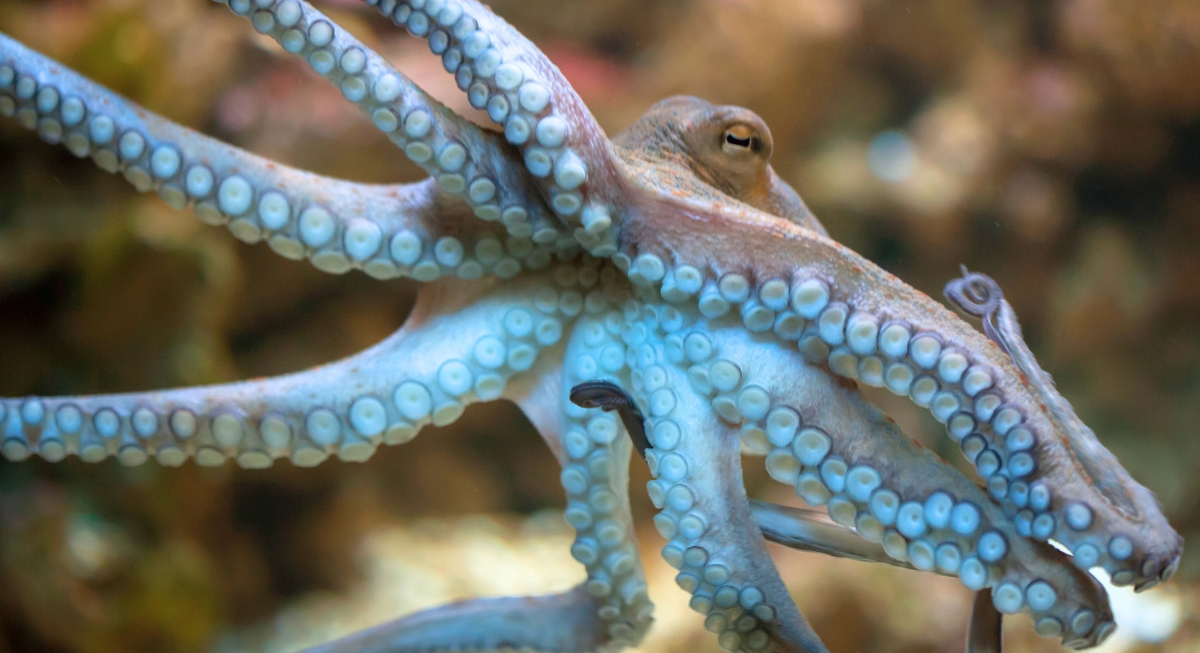
Image via Getty Images/wrangel
Octopuses can escape so easily because of how their bodies work. They don’t have bones or an internal skeleton, and the only hard part of their body is the beak. If that beak can fit through an opening, the rest of the body follows. So a small gap in a lid or a narrow drain opening isn’t a barrier but an exit.
Experts have noted that this ability enables octopuses to squeeze through spaces that appear far too small at first glance. Combined with flexible limbs and strong suction, they can move in ways most animals can’t match.
This Wasn’t A One-Off
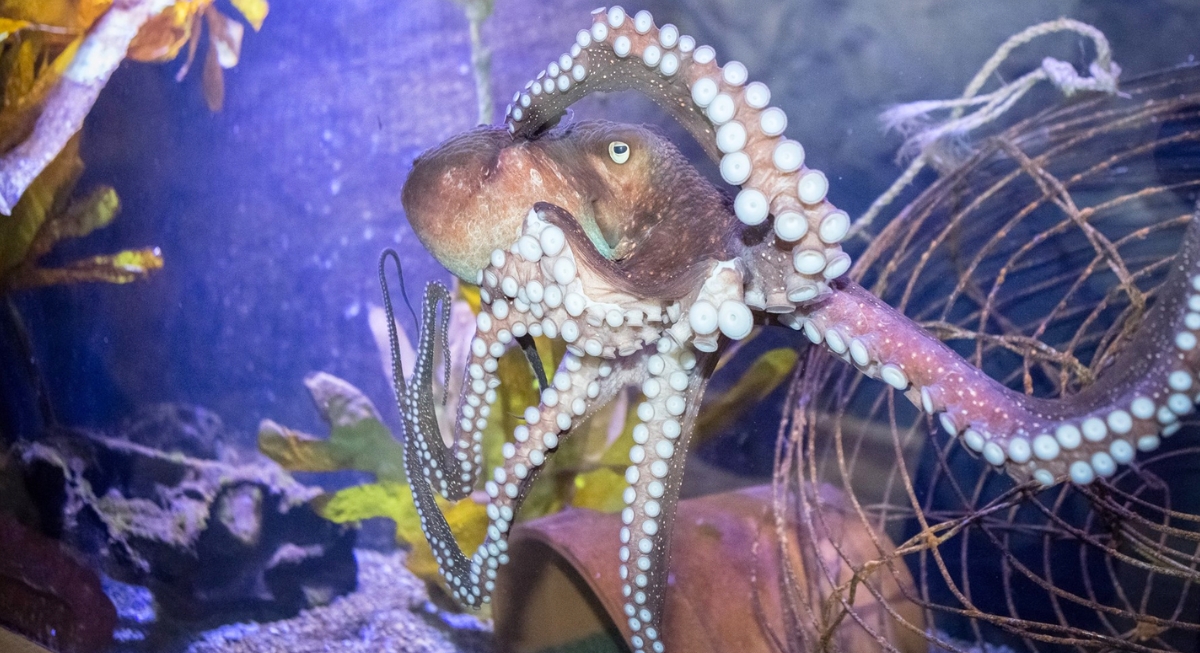
Image via Facebook/National Aquarium of New Zealand
Inky’s escape made headlines, but it wasn’t unusual behavior. Octopuses have a long track record of getting out of places they’re not supposed to leave. As early as 1875, aquariums in Brighton reported that octopuses left their tanks at night, moved across the floor, and entered other tanks to feed on fish before returning.
More recent cases follow the same pattern. In 2009, an octopus at the Santa Monica Pier Aquarium tampered with a valve in its tank and caused about 200 gallons of seawater to flood the area. At a marine center in Wellington, octopuses were caught slipping into neighboring tanks to steal crabs, then heading back before morning.
Another octopus named Ozymandias became known for opening jars quickly, a task often used to test problem-solving ability.
Curiosity That Pushes Limits
People who worked with Inky described him as curious and unusually interactive. That lines up with what researchers already know about octopus behavior. They explore, test boundaries, and respond to changes in their environment.
Inky had arrived at the aquarium years earlier after being caught in a crayfish pot by a local fisherman. He had scars and shortened limbs, which suggested he had already spent time surviving in rough conditions before entering captivity.
A creature used to navigating reefs and avoiding threats doesn’t stop thinking just because it’s placed in a tank. Inky didn’t break anything or force his way out. He noticed a gap, followed a path, and kept going until he reached the ocean.