The One Mistake New Dog Owners Make That Costs Them Later
Most new dog owners focus on food, toys, and basic commands during the first few weeks. They believe they can “circle back” to serious training once their puppy gets a little older.
Often, many of them overlook early socialization, some with the assumption that it is flexible and that a few outings here and there will be enough. That assumption is the one mistake that often leads to expensive, stressful problems down the road.
Early socialization is not optional background work. It is a time-sensitive development, and the window for doing it easily is short.
The Critical Window Does Not Stay Open Long

Image via Getty Images/Alexthq
Puppies go through a key developmental period between about 3 and 14 weeks of age. Some trainers extend that sensitive phase to roughly 17 weeks, but the consensus remains the same. During this period, puppies are naturally more open to new people, environments, and experiences.
After that stage passes, puppies become more cautious. Owners can still teach social skills, but the process often requires more structure, more repetition, and sometimes professional help. Families who wait until their puppy is five or six months old often discover that fear responses have already started to form.
A Loving Home Is Not the Same as Socialization
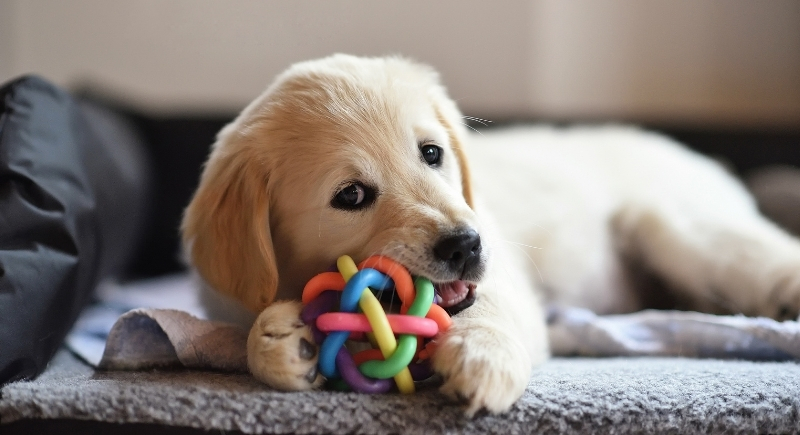
Image via Canva/photology2000
Many owners assume that because their puppy is comfortable at home, it is well-adjusted. Comfort inside the house does not prepare a dog for the outside world.
A puppy that feels relaxed in the living room may react very differently to bicycles, delivery trucks, trash cans, umbrellas, or strangers wearing hats. Without early exposure to these everyday situations, those normal elements can trigger barking, lunging, or avoidance later.
Proper socialization requires intentional exposure to a variety of people, surfaces, sounds, and settings while the puppy is still highly adaptable.
Waiting for Vaccinations Can Create Bigger Problems
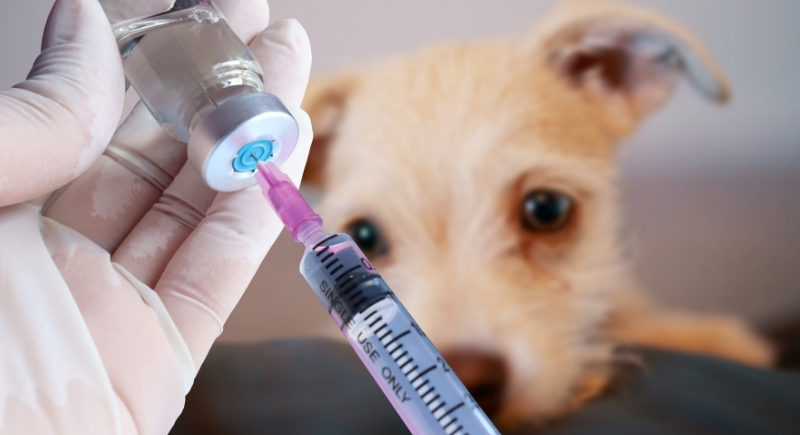
Image via Getty Images/Thanakorn Piadaeng
It makes sense to want every vaccine finished before taking your puppy out. You want them safe. But keeping them completely isolated during those early weeks can lead to behavior problems later.
Behavioral issues are one of the main reasons dogs are surrendered. Puppies who miss positive early exposure are more likely to develop fear, anxiety, or reactivity. Fixing those patterns often takes time, money, and professional help.
You can lower health risks without avoiding the world entirely. Stick to clean areas and introduce your puppy to healthy, vaccinated dogs. Skipping socialization until 16 weeks can create problems that are harder to undo.
Friendly Does Not Mean Well Socialized
An outgoing puppy still needs guidance. Some owners skip structured classes because their puppy seems confident and playful. A dog that greets every other dog by rushing forward or jumping may cause tension. Other dogs may respond defensively if the interaction feels overwhelming.
Early training teaches puppies how to read social cues and regulate excitement. Without that structure, even a friendly dog can develop habits that later create conflict.
Overwhelming a Puppy Can Also Cause Harm
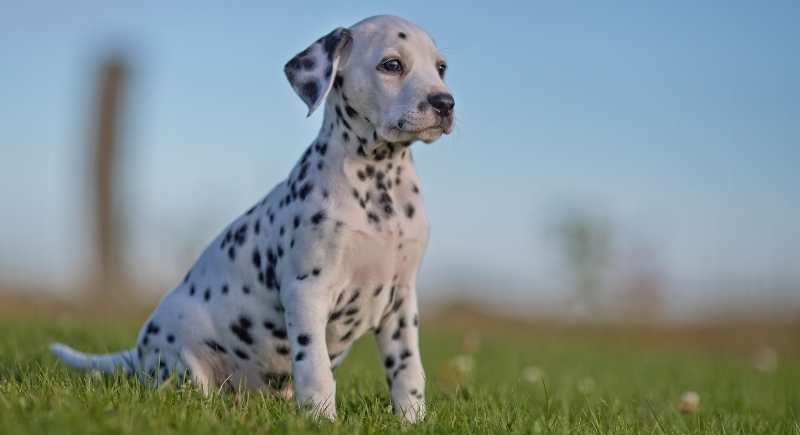
Image via Getty Images/Bigandt_Photography
Effective socialization involves controlled, positive experiences. Bringing a very young puppy to a chaotic dog park can create fear rather than confidence.
Puppies form strong associations during their early weeks. A single frightening encounter can shape how they respond to similar situations in the future. Owners should start with calm, brief interactions and gradually increase complexity as the puppy gains confidence.
The Cost Shows Up Months Later
When owners delay or misunderstand early socialization, the consequences often appear later. The dog may panic at the groomer, resist veterinary handling, bark at strangers, or struggle with separation anxiety.
Correcting those behaviors often involves private trainers, behavior specialists, or structured daycare programs. The financial investment can be significant, and household stress can increase.
Early socialization requires intention during a short developmental window. Owners who treat it as urgent raise dogs that adapt comfortably to everyday life. Owners who postpone it often end up paying for that delay in time, money, and frustration.