The Reason a Dog Stops Eating a Food It Ate Happily for Years
Skipping one meal usually is not a big deal for a dog. What worries owners is when a pet suddenly refuses the same food it happily ate for years. One day the bowl is empty in minutes. The next day the dog sniffs it, walks away, and acts completely uninterested. That change can feel confusing because it often happens without much warning.
Many people assume the dog simply got tired of the food, but the reason is not always that simple. Veterinarians say appetite changes can be linked to stress, dental pain, stomach issues, aging, medication, or other health problems. Some dogs still seem playful, beg for treats, and act normal around the house, which makes the untouched food bowl even harder to figure out.
The Bowl Usually Isn’t the Real Problem
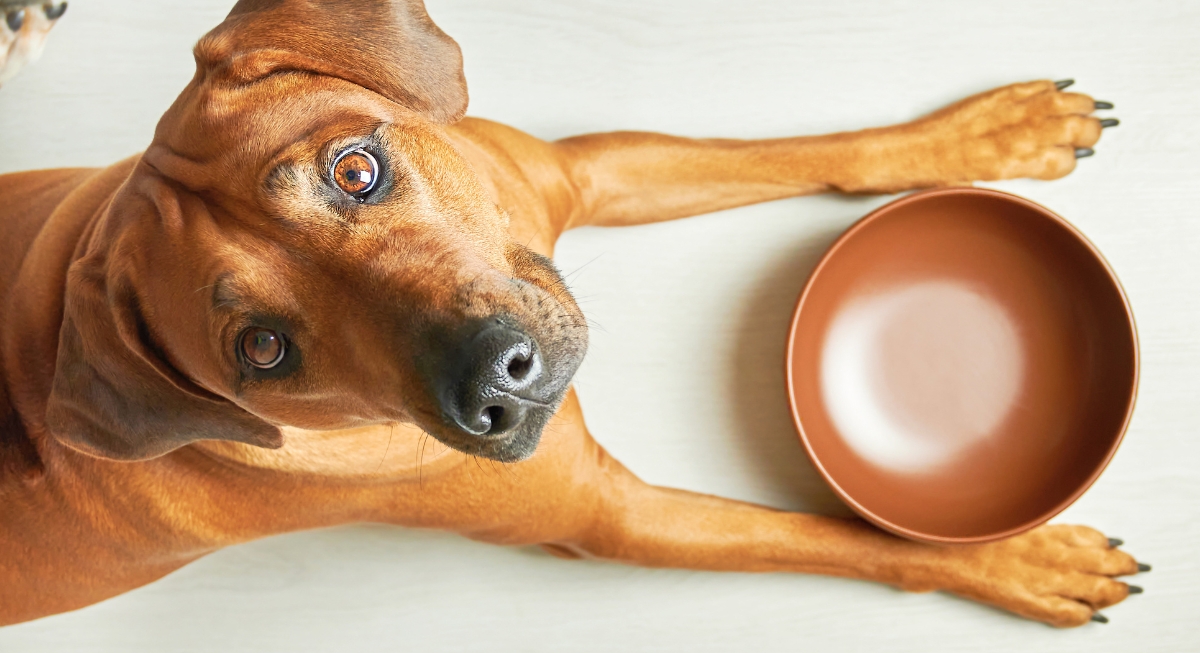
Image via Getty Images/Zontica
Dogs do not typically abandon a favorite food for dramatic reasons. Appetite is tied closely to physical comfort, routine, and smell. Even a small issue can make an old favorite suddenly seem unappealing.
Dental problems are among the biggest reasons. A cracked tooth, gum disease, or pain under the gumline can make it difficult to eat crunchy foods. Some dogs start refusing dry kibble but will still accept soft treats or canned food because chewing hurts less.
Digestive problems can also change eating habits fast. Upset stomachs, mild nausea, constipation, pancreatitis, and infections can all reduce appetite. In more serious cases, kidney disease, liver problems, or cancer may affect how a dog feels around food.
That’s why vets pay attention to timing. A dog that slowly becomes less interested in meals may have a very different issue than one that suddenly refuses food overnight.
Stress Changes A Lot
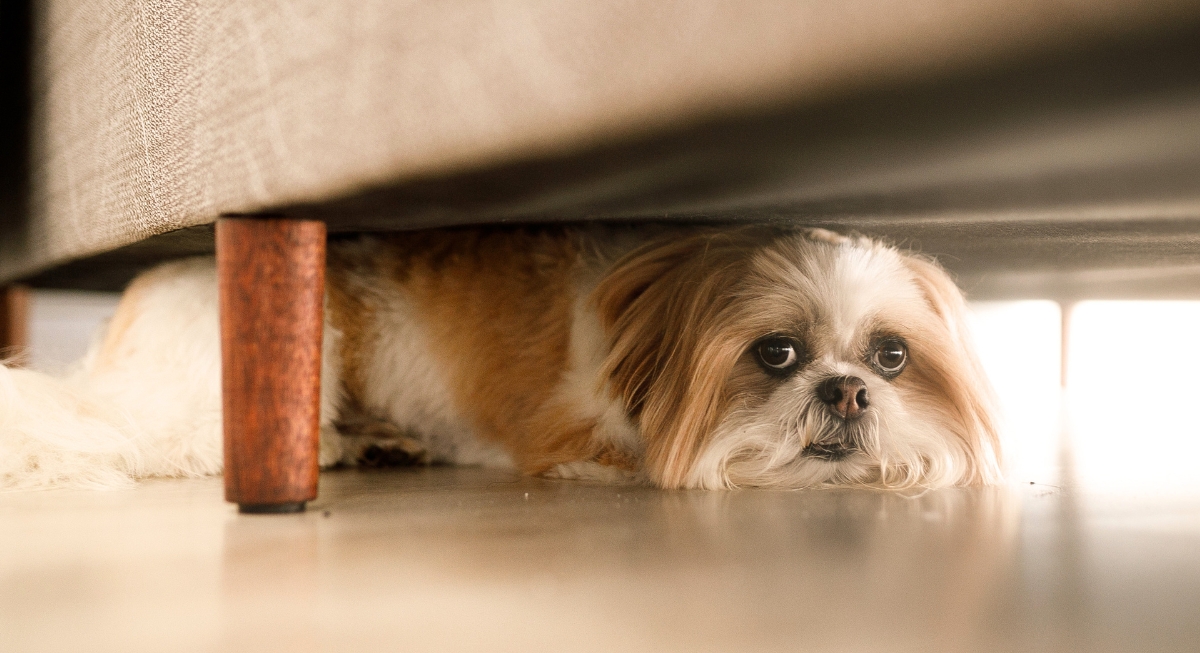
Image via Getty Images/Capuski
Dogs thrive on routine more than many people expect. A move, construction noise, a new baby, visitors in the house, or even shifted furniture can throw some dogs off balance enough to affect mealtime.
Stress-related appetite loss often looks confusing because the dog may still seem normal in other ways. Some dogs wait until the house quiets down before eating. Others hold out until their owner returns home.
Senior dogs face another aspect of change. Aging can dull their sense of smell, which matters because smell drives appetite heavily in dogs. Arthritis can also make it uncomfortable to lower their head toward the bowl or stand on slippery floors while eating.
Small adjustments sometimes help more than owners expect. Warming food slightly, adding warm water to kibble, feeding in a quieter area, or switching to a raised bowl can encourage eating again without changing diets completely.
Dogs Can Accidentally Train Their Owners
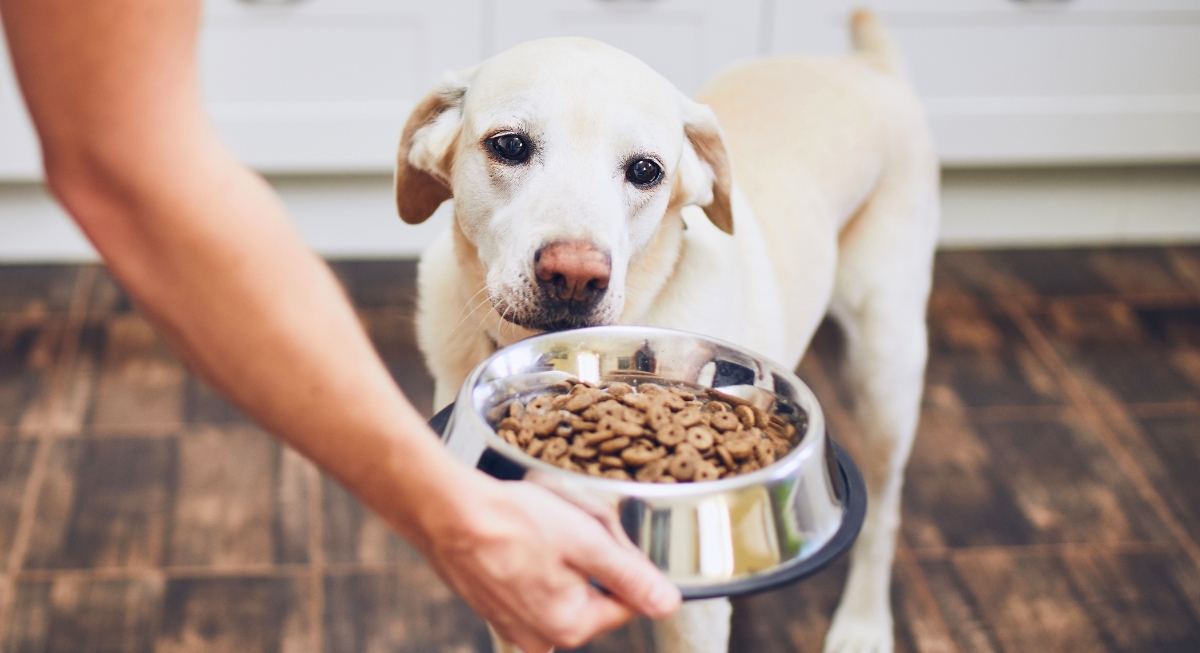
Image via Canva/chalabalaphotos
Many dogs get labeled as “picky eaters” a little too quickly. Behavior experts say some pets learn a simple pattern over time: if they ignore their regular food long enough, something more exciting eventually shows up. That “better” option could be chicken, treats, table scraps, canned food, or a different brand altogether. Dogs pick up on those routines faster than most people realize.
Some dogs also get hooked on variety itself. A new food smells interesting for a few days, then loses that excitement once it becomes familiar. Owners often read that reaction as sudden hatred for the old food, even though the issue may be the constant switching. Too many treats can also contribute to the problem. Experts generally recommend treats stay under 10 percent of a dog’s daily calories. Dogs that snack throughout the day sometimes reach dinner already full or simply less interested in their usual meal.
Certain Signs Need Fast Attention
A healthy adult dog may physically survive several days without food, but veterinarians still advise acting much sooner.
Loss of appetite becomes more urgent if the dog also refuses water, vomits, has diarrhea, acts lethargic, loses weight, or seems uncomfortable around the mouth or stomach. Puppies and diabetic dogs need immediate veterinary attention because they cannot safely go long without eating.
Owners should also pay attention to selective eating. A dog that refuses kibble but eagerly accepts treats may still have a medical issue hiding underneath the behavior.