The Secret Superfood in Your Kitchen That Cures Dog Diarrhea Fast
Upset stomach episodes hit dogs at least once during their lives, and loose stool often links to diet shifts, stress, parasites, or infections. Vets often suggest fiber support during mild digestive flare-ups because fiber can absorb water and help stool hold shape. However, one common grocery item carries soluble fiber, key vitamins, and gut-supporting nutrients.
Many owners already keep it in their pantry, but hardly ever think about it as digestive support. Interest around this ingredient keeps growing because some dogs show improvement in stool firmness within hours in mild cases. That fast turnaround keeps pet owners talking and keeps vets recommending it as part of short-term diet support.
What Helps Settle Dog Stomachs?
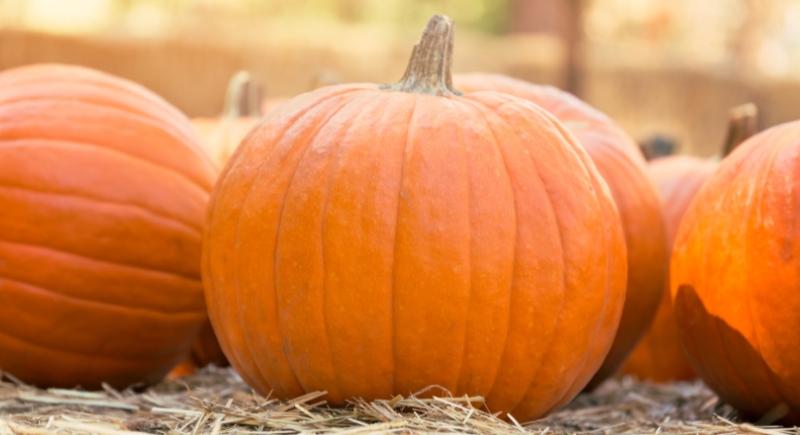
Image via Getty Images/MariuszBlach
The ingredient behind all the buzz is plain pumpkin! Pumpkin contains soluble fiber that forms a gel-like substance during digestion. That fiber pulls excess water out of loose stool, which can help firm bowel movements during mild diarrhea episodes. Fiber fermentation also produces fatty acids that help support intestinal cell function and fluid balance inside the colon.
Pumpkin also acts as a prebiotic. Prebiotics feed beneficial gut bacteria that help digestion stay balanced. A healthy gut environment helps dogs recover more quickly from minor digestive upset linked to food changes or stress. It also provides vitamin A, vitamin C, vitamin E, potassium, and iron. These nutrients support general body function while a dog recovers.
How Fast Can Pumpkin Work For Mild Diarrhea?
Many mild digestive cases improve within 4 hours to 3 days of starting fiber support, assuming no underlying disease. Pumpkin does not replace medical care, but supports stool quality while the digestive system resets. If symptoms include fever, weakness, or blood in stool, veterinary care becomes urgent. Starting with small amounts prevents sudden fiber overload, which can further upset digestion.
Choosing The Right Type Of Pumpkin
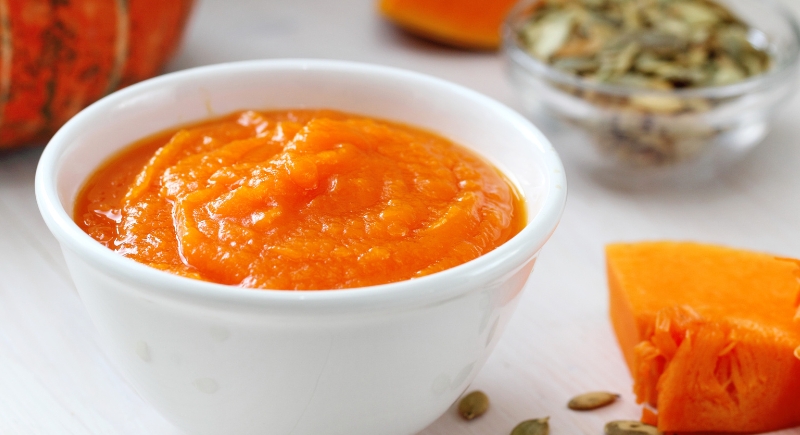
Image via Getty Images/lisaaMC
Plain canned pumpkin usually works best because it contains concentrated fiber and nutrients. Fresh pumpkin works too after cooking and pureeing, though it holds more water and slightly less fiber per serving. Pumpkin pie filling creates a risk because it can contain sugar, spices, or xylitol. Xylitol is toxic to dogs. Plain pumpkin powder made for pets can also work well. Raw pumpkin, pumpkin rind, and pumpkin stems create a choking or blockage risk and should be removed from the menu.
Typical starting amounts are often around 1 teaspoon, mixed into food. Many dogs can safely handle 1 to 4 tablespoons per meal, depending on body size and tolerance, and gradual increases help avoid sudden digestive shifts. Hydration is important when fiber intake rises, as water helps fiber move smoothly through the digestive tract.
Bonus Health Perks Owners Often Overlook
Pumpkin can help dogs feel fuller, which helps with weight control when added to meals. Pumpkin flesh contains beta carotene and nutrients that support skin and coat health in small amounts. Pumpkin seeds contain cucurbitin, an amino acid linked to intestinal parasite defense. Seeds also contain magnesium, phosphorus, copper, and iron, so grinding or lightly roasting seeds improves safety and digestibility.
Small dogs usually handle about 3 to 5 seeds daily, medium dogs 5 to 10, and large dogs 10 to 20. Pumpkin works best as a short-term digestive helper and daily nutrition booster when used in moderation. Many owners already buy it for seasonal recipes, which makes it one of the easiest nutrition tools in the average kitchen pantry.