The Singing Dogs of New Guinea That Hum Instead of Barking
In New Guinea, there is a rare dog known for a very different kind of sound. When it opens its mouth, you do not hear a typical bark. Instead, it produces a yodel-like howl that shifts in pitch as it continues. The sound can last for several seconds. It often begins on a higher note, drops lower, then settles into a steady tone, creating a pattern that comes across as almost musical.
Some groups even match each other’s tones, so the sound builds into a layered harmony across multiple dogs. The vocalization follows a controlled pattern, with smooth shifts in pitch that give it a clear, structured quality. Researchers often compare it to a wolf’s howl with added tonal variation, which helps explain its distinct, almost melodic character. That voice draws the most attention, yet it is only one part of what makes these dogs so unusual.
Once Considered Lost, Then Found Again
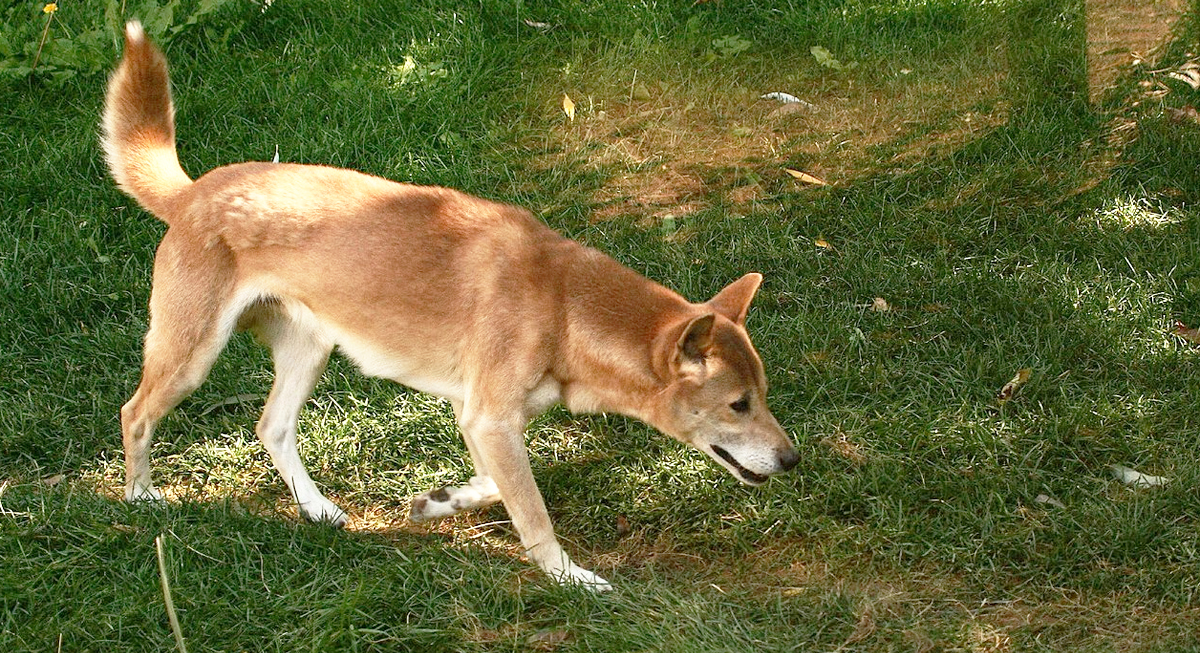
Image via Wikimedia Commons/Patti McNeal
For a long time, the New Guinea singing dog was in an awkward category. Captive populations existed, but wild ones were believed to be either gone or close to it. Most of the known dogs came from a very small genetic pool, traced back to just eight individuals brought to the United States decades ago. That limited breeding history created concerns about long-term survival.
But in 2020, a study published in Proceedings of the National Academy of Sciences analyzed DNA from wild “highland dogs” living in the Papua region. The results showed about a 72 percent genetic match with captive singing dogs. That was enough to confirm a strong connection. The animals thought to be distant relatives were, in fact, part of the same lineage. Wild populations had been there all along, just out of sight.
Life High Above the Noise
These dogs avoid attention for a reason. They tend to live at elevations around 2,100 meters in the New Guinea highlands, far from dense human activity. Before 2016, they had been photographed only twice, in 1989 and 2012.
More focused expeditions between 2016 and 2018 finally captured clearer evidence. Researchers collected DNA samples near the Grasberg mine, one of the largest gold and copper sites in the world, confirming that these elusive animals still occupied the region.
Isolation plays a big part in their survival. Living far above villages keeps them away from crossbreeding and human interference, though it also makes them difficult to study.
Not Quite Wild, Not Quite Domestic
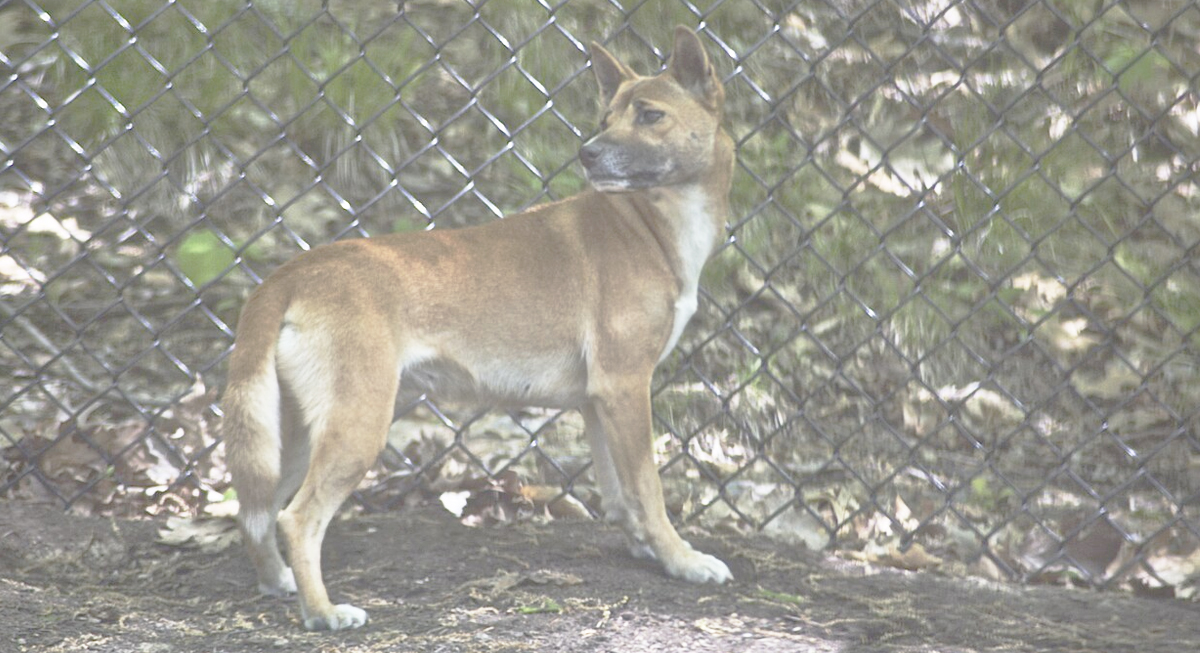
Image via Wikimedia Commons/Jean
The New Guinea singing dog is in a strange middle ground. It shares ancestry with the Australian dingo, with roots tracing back thousands of years to dogs that moved alongside humans into Oceania around 3,500 years ago. Over time, geographic separation shaped them into a distinct type.
Physically, they are smaller than dingoes but just as capable. They are fast, flexible, and highly intelligent. In local communities, they have been used for hunting small animals, which speaks to their strong instincts.
That same independence makes them a challenge in domestic settings. They require constant stimulation and firm training, and may exhibit unpredictable behavior around smaller animals or livestock. Even though some live alongside humans, they are far removed from the average household dog.
Rare, Restricted, and Still Under Watch
Captive numbers remain low, estimated at 200-300 individuals. That alone keeps them out of reach for most people, but availability is only part of the issue.
They are also classified as exotic animals in many places, and their needs go far beyond what a typical pet owner can handle. Even experts caution against trying to keep them outside specialized environments.
In the wild, their population remains hard to pin down, largely because they stay hidden in remote terrain. That mystery adds to their appeal but also highlights the challenge of protecting them.