The Surprising Cause of Excessive Drooling or ‘Slobbers’ in Your Horse
If your horse suddenly starts drooling more than usual, it can be startling. A little saliva is normal, but when it turns into a steady stream, it signals something more. This condition, known as “slobbers,” often comes from surprising sources. The good news is that in most cases it isn’t dangerous, though it does call for attention.
It’s All About Clover The Fungus
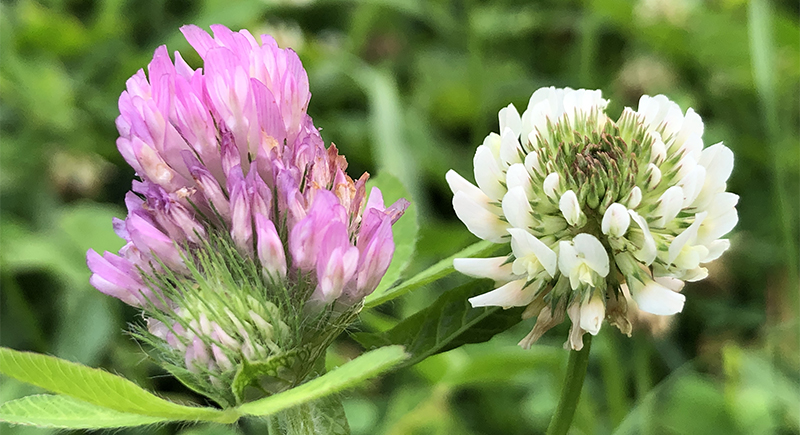
Image via Wikimedia Commons/Famartin
One of the most common causes of excessive drooling in horses is a fungus called Rhizoctonia leguminicola (formerly known as Rhizoctonia leguminicola). This fungus thrives on white and red clover and produces a toxin called slaframine. When horses graze on clover that is infected with this fungus, the toxin stimulates the salivary glands and leads to excessive drooling. This is particularly common during the summer months when pastures are rich in clover.
Interestingly, not all horses in the pasture will be affected. Some horses are more sensitive to the toxin than others. Fortunately, this condition is usually temporary and resolves once the horse is moved to a pasture without contaminated clover or switched to hay that doesn’t contain the fungus. While the drooling may look alarming, it’s rarely harmful to the horse and doesn’t cause long-term damage.
Feed Can Be a Hidden Culprit
It’s not just pastures that can lead to excessive drooling; feedstuffs are another common source. Mycotoxins, which are poisonous substances produced by mold or fungi, can be found in contaminated hay, grain, or even pasture grass. These mycotoxins, such as slaframine and swainsonine, are produced by fungi that infect plants like clover and ryegrass. When horses ingest these contaminated feeds, it can lead to slobbering as the toxins irritate the mouth and digestive system.
Researchers have found that horses fed contaminated hay or grazing on infected pastures often exhibit symptoms of hypersalivation. The drooling is usually accompanied by watery or foamy saliva, and in some cases, lesions or ulcers can be seen on the horse’s tongue or gums. However, once the contaminated feed is replaced, most horses recover quickly without any lasting effects.
Other Causes of Excessive Drooling
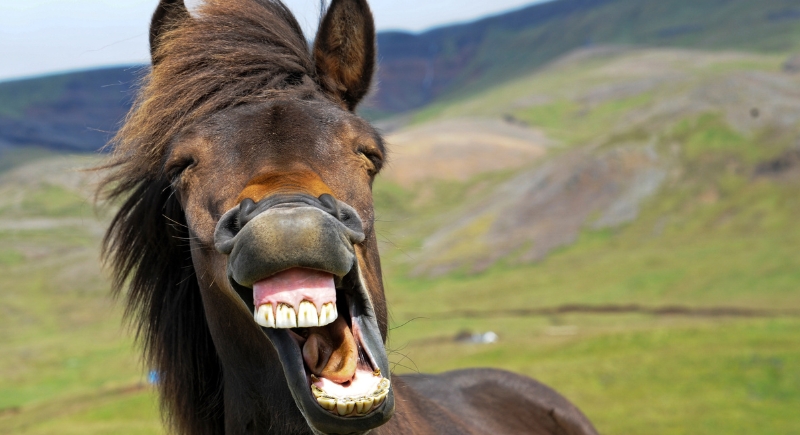
Image via Getty Images/MilesStones
While fungal toxins are a leading cause of slobbering, they aren’t the only possible explanation. Dental problems, such as sharp teeth, abscesses, or injuries to the mouth, can also cause a horse to drool excessively. A routine dental checkup can help prevent these issues from leading to slobbering.
Another potential cause of drooling is esophageal obstruction, commonly referred to as choking. When a horse has trouble swallowing food, saliva can build up and leak out of the mouth. This condition is serious and requires immediate veterinary attention.
In rare cases, diseases like rabies or vesicular stomatitis can cause excessive salivation. These conditions often accompany other symptoms, such as fever, mouth lesions, or behavioral changes. If your horse begins drooling suddenly and shows signs of illness, a vet visit is necessary.
Managing All The Slobbering
If you notice your horse drooling excessively, start by checking what they’re eating. If your pasture is full of clover, particularly during the summer, this may be the source of the problem. You can reduce the clover in the pasture by overseeding with grasses, or simply move your horse to a different area where clover is less common.
If you suspect your horse’s feed is contaminated, it’s essential to have it tested for mycotoxins. Switching to fresh, uncontaminated hay and limiting access to the affected pasture will usually resolve the issue. If necessary, consult a veterinarian to ensure your horse is getting the proper nutrition and is free from harmful toxins.
Lastly, be mindful of your horse’s overall health. Regular vet checkups can help catch dental issues or other health concerns early, preventing excessive drooling from becoming a recurring issue.
In most cases, excessive drooling is a temporary condition that can be easily managed. By keeping an eye on your horse’s diet and environment, you can help ensure they stay comfortable and healthy without the mess of unwanted slobber.