The Surprising Reason Why Cheetahs Never Attack Humans
Cheetahs are some of the most fascinating animals in the wild. They can reach speeds of 70 mph and accelerate faster than most sports cars; yet, for all their power and speed, they hold a unique record among the big cats.
Lions, tigers, leopards, and jaguars all have histories of attacking humans, but cheetahs stand apart. There has never been a confirmed case of a wild cheetah killing a human. That fact alone raises a question: why is the world’s fastest predator also the least dangerous big cat to people?
Built For Speed, Not For Fighting
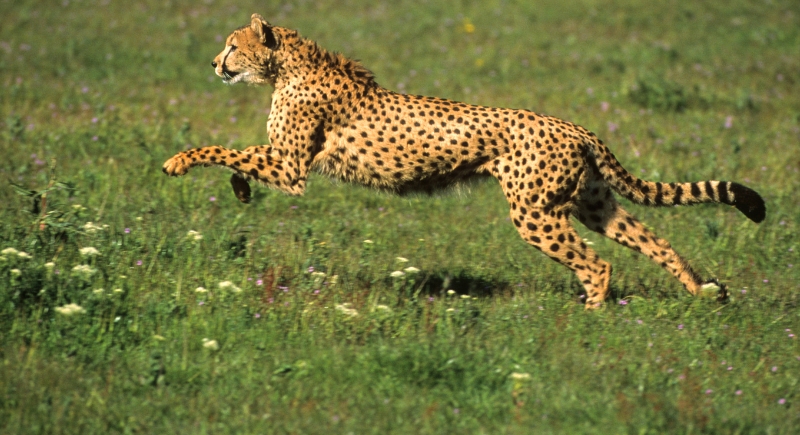
Image via Getty Images/Michel VIARD
The main reason cheetahs don’t attack people comes down to how their bodies are designed. They are all about speed, not strength. Their long legs, lightweight frame, and slim build allow them to chase down gazelles and impalas in open savannas. Unlike lions and tigers, cheetahs aren’t built to wrestle or overpower large animals. Their jaws aren’t as powerful, their muscles aren’t as bulky, and their semi-retractable claws work like traction spikes to keep them steady in high-speed chases rather than tearing into large prey.
Cheetahs can run down prey in seconds, but once they catch it, they need to eat quickly or move it before stronger predators like hyenas or lions take it away. Picking fights could mean injuries, and an injured cheetah can’t hunt. That survival instinct to avoid unnecessary conflict is a big reason they don’t attack people. Humans are too large and too risky to bother with, which makes confrontation unlikely.
Naturally Shy Around People
Another reason cheetahs rarely attack humans is their temperament. Compared to other big cats, cheetahs are timid and cautious. They usually avoid people altogether, choosing flight over fight. In most encounters in the wild, the cheetah runs away as soon as it notices a human nearby. Wildlife experts often describe them as the least aggressive of the big cats to manage, and they generally show little interest in human activity.
History supports this. In Persia and India, cheetahs were kept by royalty as hunting companions. They were trained to chase down game and often lived alongside humans without being a threat. Even today, cheetahs participate in conservation programs where tame individuals, known as ambassador cheetahs, interact with the public to raise awareness about endangered species. This reputation for calm behavior sets them apart from other cats that are known to be territorial or aggressive.
Rare Cases Of Aggression
Cheetahs are still wild animals, and under certain circumstances, they can lash out. The rare cases of aggression usually involve captivity or human mistakes. Tourists who step into an enclosure for photos or handlers who corner a cheetah may trigger a defensive reaction. Scratches and bites have been reported in such situations, but these are typically defensive responses, not attempts to kill. There have been extremely rare fatalities in captivity, but none recorded in the wild.
Triggers for aggression often include being startled by sudden movements, being too close to cubs, or losing an escape route. Even then, cheetahs usually retreat once the immediate threat passes. They simply don’t have the territorial aggression that other big cats like leopards are known for, and they return to their instinct of avoiding unnecessary conflict.
Humans Are Not On The Menu
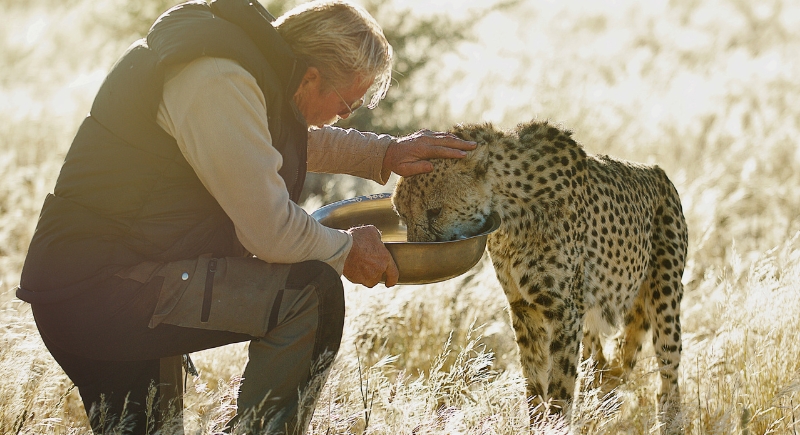
Image via Getty Images/wilpunt
Humans don’t register as prey to cheetahs. Their hunting instincts are tuned to medium-sized animals that run in predictable patterns, such as gazelles and young wildebeest. People don’t fit that description. We’re too large, too slow, and too unusual in behavior for a cheetah to see us as food. Even when people are nearby, cheetahs often ignore them unless they feel cornered.
In African reserves, it’s common for safaris to spot cheetahs at close range without any incident. Zoological records confirm that while injuries from captive cheetahs do happen, they are rare. Cheetahs are wired to avoid risk, not create it. Their survival depends on staying healthy enough to sprint after prey, not wasting energy or risking injury in unnecessary fights. That combination of physical design and cautious temperament is the surprising reason they are among the least dangerous of all big cats.