The Terrifying True Story of the Crocodile That Refuses to Die
Few animal stories sit as uneasily between fact and folklore as the tale of Gustave, the massive Nile crocodile blamed for years of deadly attacks in Central Africa.
Depending on who tells it, he was either a real predator behind repeated killings or a name people used to make sense of a wave of violence along dangerous waters. What keeps the story alive is the uncomfortable possibility that at least some of it may be true.
Where the Legend Began
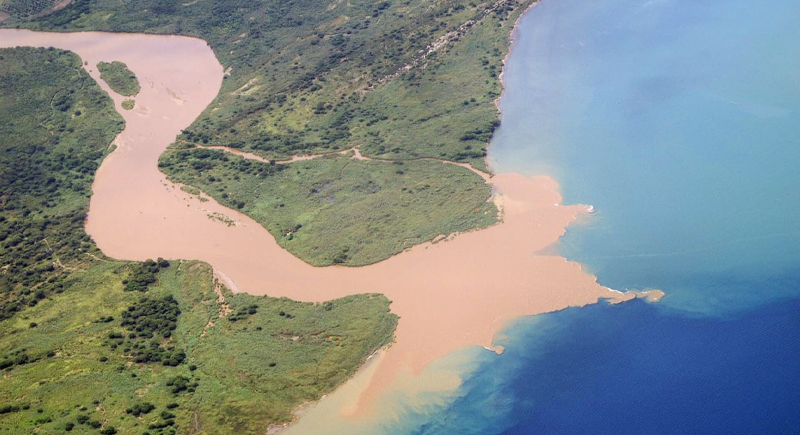
Image via Wikimedia Commons/Johanna ciella
The crocodile known as Gustave is most often linked to the Rusizi River delta and the northern shoreline of Lake Tanganyika, one of the largest freshwater lakes on Earth. Reports linking attacks to a single giant crocodile began surfacing in the late 1980s, with sightings becoming more widely discussed through the 1990s and early 2000s.
Lake Tanganyika has always been crocodile territory. Nile crocodiles are apex predators, and attacks on humans have historically occurred in busy fishing communities along the shoreline. In regions where people rely heavily on lakes and rivers for daily survival, encounters are sometimes unavoidable.
How Gustave Became Known as “The One That Wouldn’t Die”
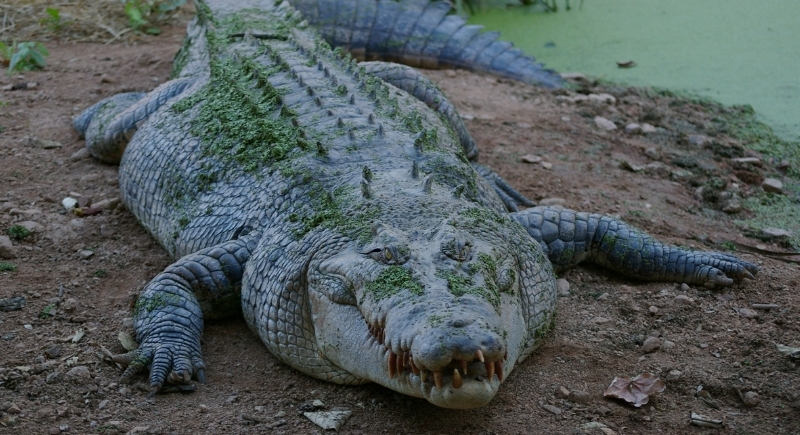
Image via Canva/zorotoo’s Images
Stories describe a crocodile far larger than average, with scars believed to be from bullets or failed attempts to kill it. Reports claim hunters, soldiers, and even organized capture teams tried to trap or kill the animal over the years.
One well-known capture attempt in the early 2000s involved a massive cage trap baited with animals. The crocodile never entered it. Whether he avoided it intentionally or simply never encountered it remains unknown.
The last widely discussed confirmed sightings happened around 2009. Later claims that the crocodile was killed have never been backed by physical proof, which helped fuel the idea that he was nearly impossible to stop.
The Kill Count That Turned a Predator Into a Legend

Image via Getty Images/Imagehit
Some reports claim Gustave was responsible for more than 300 human deaths. Other investigations suggest that the number may be dramatically exaggerated.
Several researchers and investigators have noted that in regions with frequent crocodile attacks, multiple attacks are often attributed to a single well-known predator. In areas experiencing conflict or poor record-keeping, confirming exactly what happened during attacks becomes extremely difficult.
More conservative estimates suggest the number could have been far lower. What is clear is that crocodile attacks did occur during that period. Whether one animal was responsible for most of them remains unproven.
Nile Crocodiles Are Already Terrifying Without Myths
Even average adult Nile crocodiles can kill humans. Males typically grow between about 13 and 16 feet long and weigh hundreds of pounds. Large individuals can exceed that range and become extremely dangerous.
They are ambush predators. They strike quickly and drag prey into the water. In regions where people fish, bathe, or travel by small boats, risk naturally increases.
The Mystery of Gustave’s Behavior
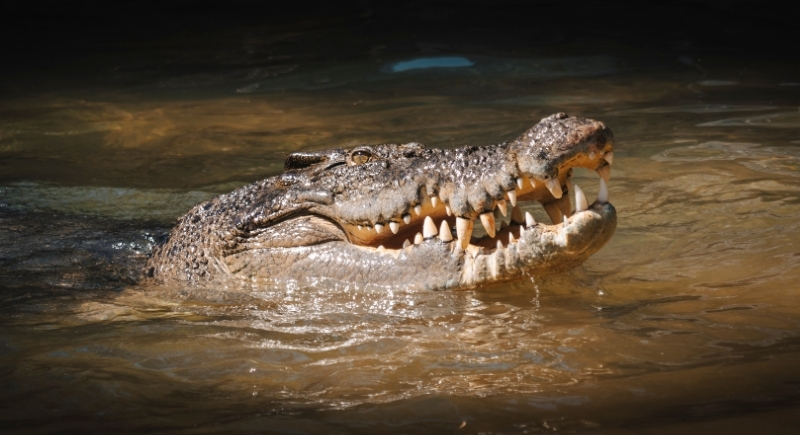
Image via pixabay/Storme22k
Some stories claim the crocodile killed people without eating them, which led to speculation about unusual behavior. Scientists remain cautious about these claims. Animal behavior reports from conflict zones or remote regions can easily become distorted as stories spread.
Another explanation is simpler. Multiple crocodiles operating in the same area can create the illusion of a single unusually aggressive individual.
Is Gustave Still Alive
No confirmed sighting has been verified in years. Some locals believe he eventually died of old age. Others believe he may still exist somewhere in the lake system.
Lake Tanganyika is large, remote, and difficult to monitor. Without physical proof, the crocodile exists in a strange space between documented animal and cultural legend.