The Three New Dog Breeds the AKC Just Recognized in 2026 and What Makes Each One Special
At the start of 2026, the American Kennel Club added three new breeds to its official list, bringing the total to 205. For people who follow dog breeds closely, this kind of update matters because recognition changes what these dogs can do. It allows them to compete in major events across the United States, including high-profile shows that get national attention.
But the real interest goes beyond eligibility. Each of these newly recognized breeds has a distinct background, temperament, and purpose. Looking at what sets them apart gives a clearer picture of why they were added now and what they bring to the broader dog world.
Why Recognition Took Time
Image via Pexels/Sebastian Coman Travel
Getting on the AKC’s official list requires more than popularity. Breeds must build a strong presence in the United States, with hundreds of dogs registered, organized breed clubs, and documented pedigrees spanning at least three generations. That process can take years, even decades.
By the time a breed clears those hurdles, it usually already has deep roots somewhere else. That’s exactly what happened here. Each of the three newly recognized dogs arrived with a long history, shaped by different needs and cultures.
The Small Companion With a Russian Backstory
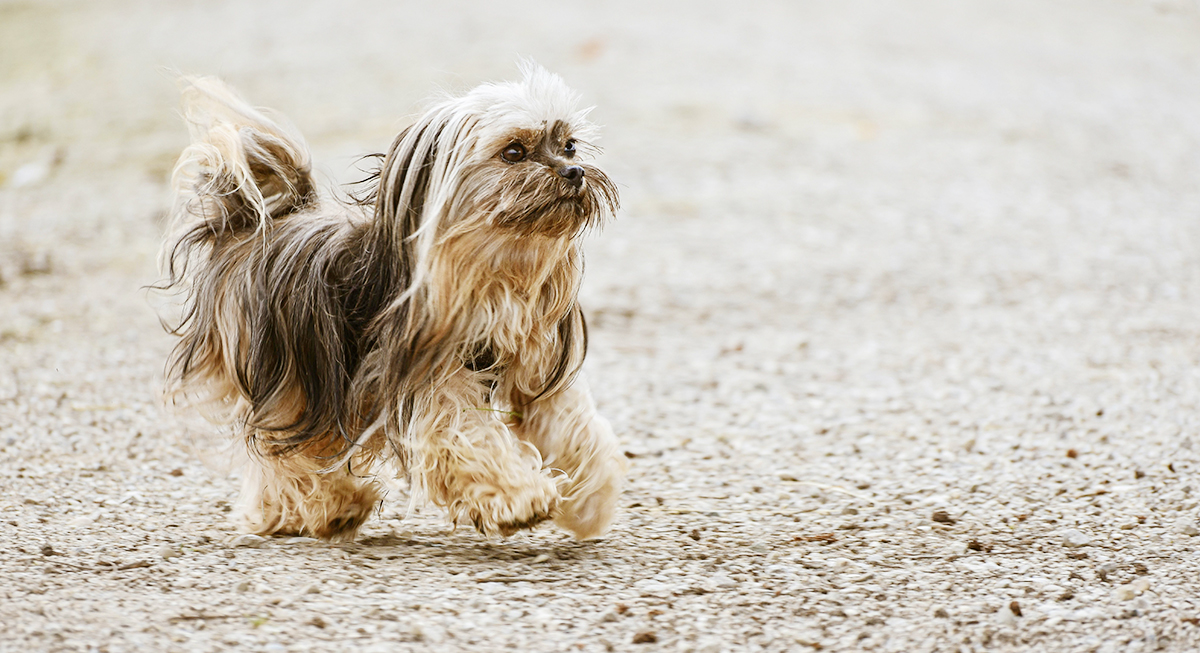
Image via Pexels/Alexas Fotos
Russian Tsvetnaya Bolonka might have the longest name of the group, but this toy-sized companion was developed in Russia during the 1950s, when smaller household dogs were hard to come by for the general public. Breeders combined several small European breeds to create a compact dog with a darker coat and a calm personality.
The result is a dog that fits just about anywhere. Bolonkas usually weigh between seven and nine pounds and stand just over 10 inches tall. They’re social, easygoing, and known for sticking close to their owners. That personality makes them a strong match for apartment living, though they adapt just as well to larger homes.
Their thick, wavy or curly coat also contributes to their appeal. It helps them handle colder climates and tends to resist matting, which keeps grooming manageable compared to other long-coated dogs.
A French Hunter That Still Means Business
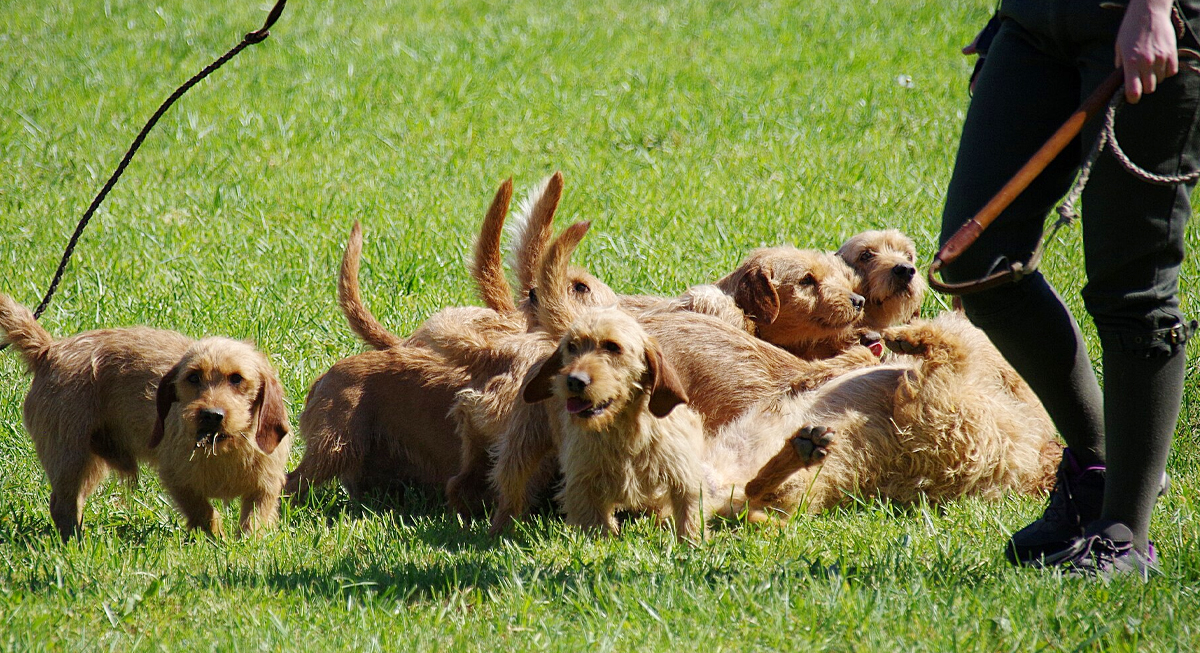
Image via Wikimedia Commons/Abujoy
The Basset Fauve de Bretagne comes from France, with records going back to the 1500s. It was bred for hunting on foot, especially after the French Revolution, when hunters needed a dog that could keep pace without relying on horses.
That purpose still shows. The Fauve stands about 12.5 to 15.5 inches tall, with a rough, wiry coat in shades from golden wheat to reddish brown. It tracks scent across rough ground with focus and speed, often letting out a loud, distinctive howl when on a trail. At home, it’s easier to manage than its working drive suggests. Owners usually describe it as upbeat and responsive, which is why it’s gained interest outside hunting circles.
An American Original Built for Action
The Teddy Roosevelt Terrier was developed in the United States from Rat Terrier lines, with a clear purpose: controlling pests on farms and around homes. Its name is linked to Theodore Roosevelt, reflecting his association with outdoor life and working dogs.
This breed is compact but solid, usually weighing between eight and 25 pounds and standing up to 14 inches tall. It stays alert and tends to act as a watchdog, while remaining closely bonded with its family.
It needs regular activity to stay balanced. That can include chasing, training, or dog sports, along with daily interaction with its owner. When its energy is managed, it adjusts well indoors and fits into a range of living setups.