The Tragic True Story Behind the Viral “Death March” Penguin
A short scene from the 2007 documentary Encounters at the End of the World has resurfaced online and taken on a life of its own. The footage shows a single Adélie penguin breaking away from its colony in Antarctica and heading inland, away from the ocean that sustains it. It’s just a steady walk toward the mountains, but the media gave it a name, the “Death March,” and then turned it into a viral obsession.
The attention has raised a simple question that keeps getting buried under memes. What is actually happening in that clip?
Where The Footage Came From
The scene was filmed nearly two decades ago by Werner Herzog during the production of Encounters at the End of the World. The documentary explores life in Antarctica and highlights unusual moments that reveal the harsh, unpredictable nature of the environment.
During filming, Herzog and marine ecologist David Ainley observed an Adélie penguin leave its group and move inland toward the Antarctic interior. Penguins depend on the ocean for food, and this route leads toward mountains roughly 70 kilometers from the coast, with no feeding grounds along the way.
Why The Walk Is So Alarming
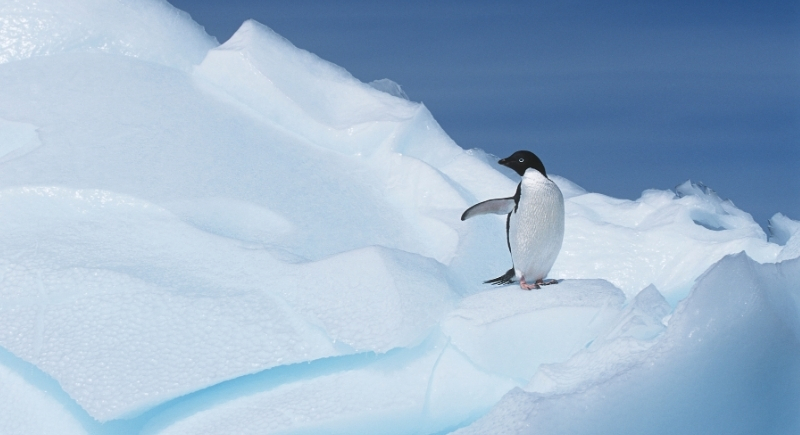
Image via Getty Images/IPGGutenbergUKLtd
For Adélie penguins, direction matters. Colonies sit close to the sea because food, shelter, and survival all depend on it. When a penguin starts walking inland, it cuts itself off from food and drifts into harsher conditions. Antarctic researchers have observed that penguins who do this almost never make it back.
In the documentary, Werner Herzog calls it a “death march,” and the term fits. The penguin is not wandering or hunting. It is moving away from everything that keeps it alive, with no clear reason and no known way back.
What Science Says Is Really Going On
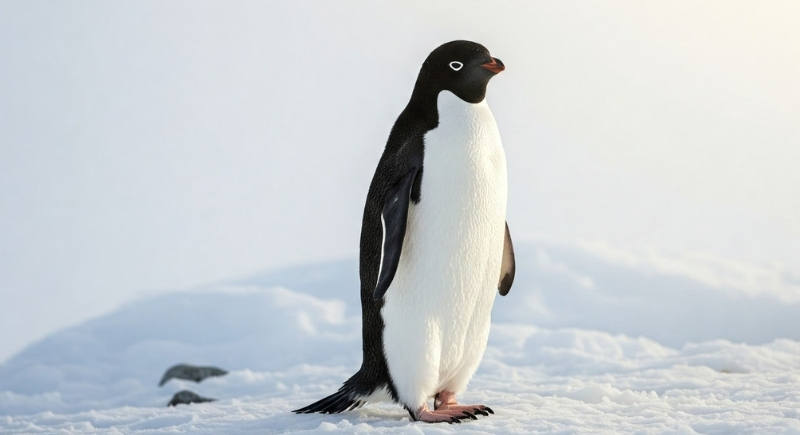
Image via Canva/Mike Jones
Despite how intentional the walk looks on screen, scientists do not see it as a conscious decision. Penguins rely on environmental cues, visual landmarks, and group movement to navigate. When those signals fail, disorientation can happen.
Researchers have pointed to several possible explanations, including illness, neurological problems, extreme stress, or simple navigational error. These cases are rare, but they are documented. Animals do not always behave in ways that maximize survival, especially when something goes wrong internally.
There is no confirmed record of what happened to this specific penguin after it left the frame. Based on similar cases, survival would have been unlikely, but the outcome was never observed.
The Line Between Meaning And Reality
Once the clip spread online without context, interpretation filled the gap. Viewers on TikTok, Instagram, and X labeled the penguin “nihilistic,” “burned out,” or “done,” and those captions circulated more widely than any explanation tied to the original footage.
The scene itself is straightforward. One penguin walks steadily in the wrong direction and does not turn back. That clarity made the clip easy to reuse, caption, and detach from its source, allowing the meaning to shift with each repost.
Researchers caution against reading intent into this behavior. Penguins do not leave colonies to express emotion or make statements. When it occurs, it is typically the result of a navigational error rather than a deliberate act.
The image invites symbolism, but the cause remains biological. The reaction it triggers and the reality behind it coexist.