The Tricky Balance of Feeding a Senior Cat With Both Kidney and Joint Issues
You usually notice it in small ways. Your cat hesitates before a jump that used to be easy, or you’re refilling the water bowl more often than before. Nothing feels urgent, but it’s clear the routine that worked for years isn’t working the same way now.
Feeding them starts to feel less straightforward. With age, it’s not just about giving enough food. If they’re dealing with both kidney and joint issues, you’re trying to support two needs at once, and they don’t always line up. What helps one problem can make the other harder to manage, so meals take a bit more thought than they used to.
When Kidney Care and Joint Support Start Competing
Image via Canva/Aflo Images
The real difficulty lies in the fact that kidney and joint health often have conflicting requirements. To keep a cat’s kidneys from working too hard, a vet will usually recommend lowering phosphorus and being very careful with protein levels.
On the other hand, a cat with stiff joints needs to maintain muscle mass to support those aching limbs. If you cut protein too drastically to protect the kidneys, your cat might lose the muscle they need to stay mobile. It’s a delicate middle ground where the quality of the protein becomes much more important than the raw percentage on the back of the bag.
The Nutrients That Quietly Do Double Duty
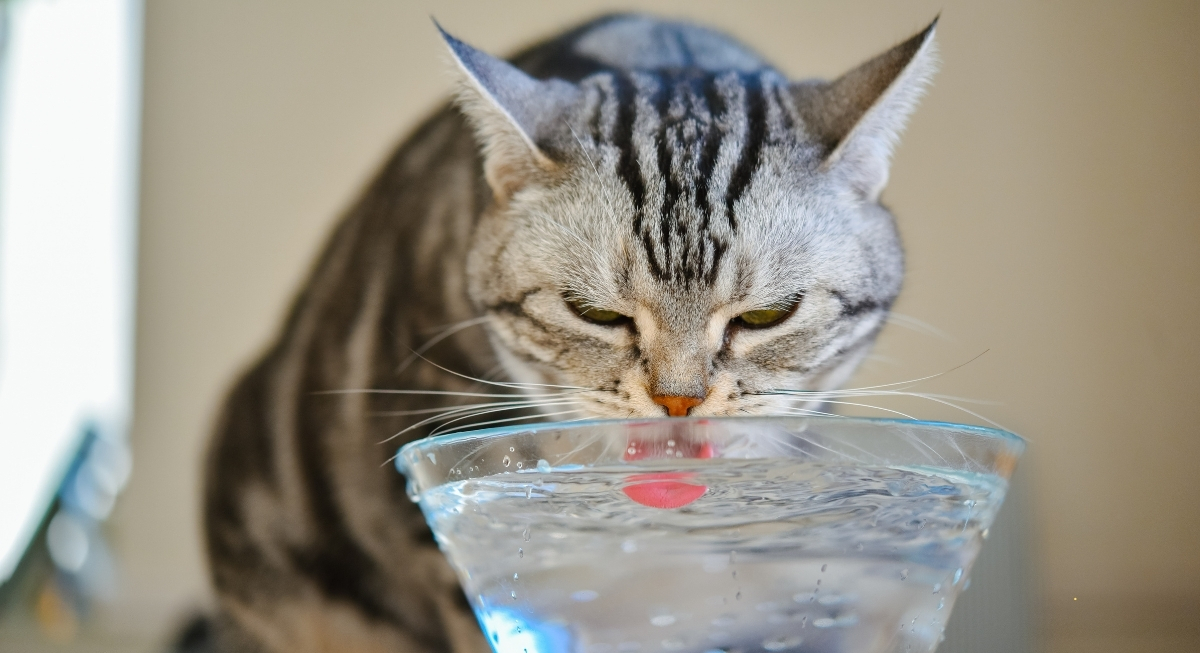
Image via Getty Images/ramustagram
The good news is that not every nutrient is a tug-of-war. Some ingredients actually help both issues at the same time. Omega-3 fatty acids, often found in high-quality fish oils, are a staple for a reason. They help reduce the inflammation that makes joints stiff and painful, while also supporting the tiny filters in the kidneys.
Hydration is another area where the goals align. Cats with kidney issues need a lot of water to flush out toxins, and since many senior cats struggle with dental issues or a waning appetite, switching to wet food helps keep them hydrated while making the actual act of eating a lot more comfortable.
Why Regular Senior Food Misses the Mark

Image via Getty Images/JackF
It is tempting to grab a bag labeled “Senior” and assume it covers everything, but these general formulas are usually built for a healthy older cat. Most off-the-shelf senior foods focus on weight management and general digestion, but they often contain phosphorus or sodium levels that are too high for a cat with early-stage kidney disease.
Conversely, they might not have a high enough concentration of the specific supplements needed to make a noticeable difference in mobility. This is usually the point where a conversation with a vet about a therapeutic or “prescription” diet becomes necessary to get the precision right.
The Real Challenge Happens at Mealtime
You can buy the most expensive, scientifically balanced food in the world, but it doesn’t matter if your cat walks away from the bowl. Older cats often lose some of their sense of smell and taste, which makes them incredibly picky. They might also feel slightly nauseous from their kidney issues, making them even more hesitant to try something new.
Success usually comes down to patience and small victories. This might mean warming up the food to enhance the scent, offering smaller meals throughout the day so they don’t get overwhelmed, or very slowly mixing the new food with the old. It’s less about a perfect plan and more about watching how they feel each day and being willing to adjust.