The Weird Psychological Reason We Pick Pets That Look Like Us
Most people have seen it at least once. A man with a scruffy beard walking a scruffy terrier. A woman with long, flowing hair holding the leash of a dog with long, floppy ears. It feels like a funny coincidence, but researchers have looked into this idea, and the resemblance is often real.
In several studies, psychologists photographed dogs and their owners separately and then asked strangers to match them. People were able to pair the correct dogs and owners more often than random guessing would allow.
It was observed most clearly with purebred dogs, probably because their features are more consistent and easier to recognize. When researchers covered the eye area in the photos, people had much more difficulty making the right match. That suggests something about the eyes plays an important role in how we see similarity. Other research has found specific patterns.
Researchers have even noticed that overweight dogs are more likely to live with overweight owners. In that case, the resemblance likely comes from shared habits, such as diet and activity levels, rather than looks alone. So why does all this happen?
Familiarity Feels Comfortable
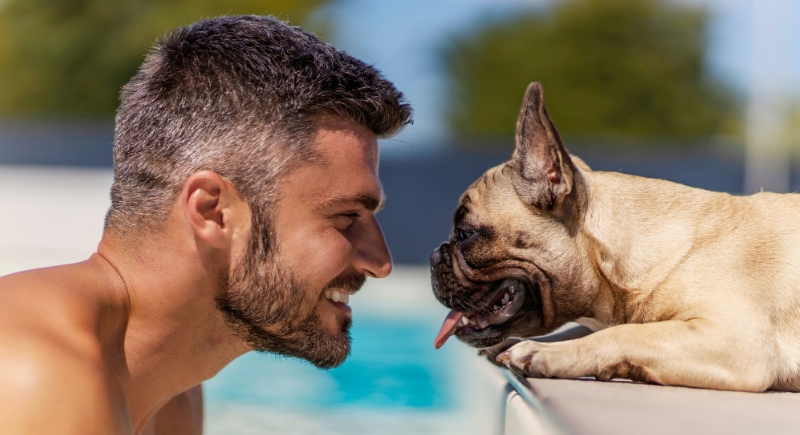
Image via Getty Images/dusanpetkovic
One reason for this may be something psychologists call the “mere-exposure effect.” In simple terms, we tend to like things that feel familiar. We see our own faces every day in mirrors and photos, so those features become deeply familiar to us.
When someone walks into a shelter or scrolls through adoption listings, they usually don’t make their decision like they’re comparing spreadsheets. They often rely on a gut feeling. If a dog feels instantly appealing, part of that feeling may come from recognizing something that looks familiar. The person may not even realize why they feel drawn to that dog, but the sense of comfort is there.
Researchers often explain decision-making as having two parts: quick, instinctive thinking and slower, more careful thinking. Choosing a pet often involves the quicker, emotional side. Familiarity can strongly influence that kind of decision.
It’s Not Just About Looks
The similarities don’t stop at appearance. Studies show that dogs and their owners often share personality traits. Outgoing people tend to have more energetic, social dogs. Owners who report higher stress or anxiety levels often describe their dogs as more anxious as well.
In some studies, the personality similarity between dogs and their owners was even stronger than that found between married couples.
This connects to something called assortative mating, which means people often choose romantic partners who are similar to them in personality, values, or habits. Similar people tend to get along more easily over time. The same idea may apply to dogs. Choosing a dog with a temperament that matches your own can make daily life smoother.
Purebred dogs may make this easier because their typical traits are more predictable. Someone who loves being active might choose a breed known for energy and stamina. Someone who prefers quiet evenings might lean toward a calmer breed. In those cases, the match is about lifestyle as much as looks.
Living the Same Life
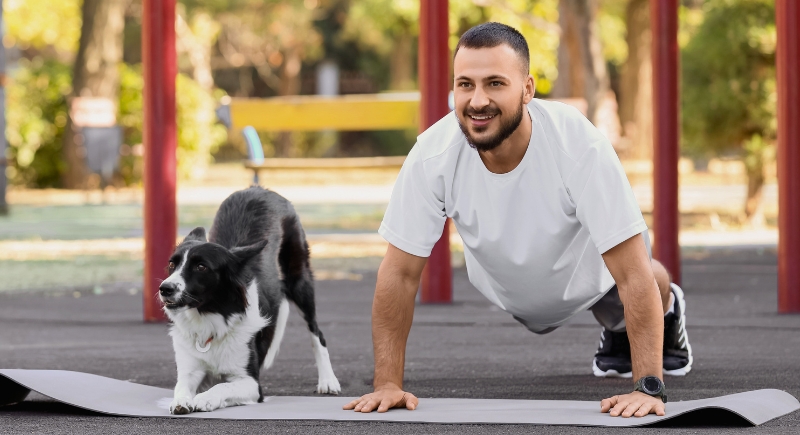
Image via Canva/pixelshot
Over time, dogs and owners can grow even more alike. Dogs share their owners’ routines. If an owner exercises regularly, the dog is likely to get more walks and playtime. If the household is less actve, the dog may become less active too. Shared habits can shape weight, fitness, and overall behavior.
Dogs are also very sensitive to human emotions. They notice tone of voice, posture, and facial expressions. In a tense home, dogs may show more signs of stress. In a calm home, they may seem more relaxed. Living closely together means they influence each other every day.
A Bond Thousands of Years in the Making
Humans have lived alongside dogs for at least 15,000 to 30,000 years. Over time, dogs were bred to understand and respond to human signals. They are unusually good at reading us compared to most other animals. That long history helps explain why they fit so naturally into our lives.
Looking alike may make the first connection easier, but it isn’t required for a strong bond. Sometimes opposites work well together. A calm dog can help steady a nervous owner. An energetic dog can encourage a quiet person to be more active. What matters most is how they adjust to each other over time.