There Is a Real ‘Cat Island’ in Japan Where Humans Are the Minority
More cats than people live on a real island in Japan. The numbers have stayed that way for years, long enough to attract global attention and steady tourism. Online photos made the imbalance famous, but the math behind it tells a calmer story.
Aoshima Island is located about 30 minutes by ferry off Japan’s southern coast. The island stretches roughly a mile in length and once supported a thriving fishing community. After World War II, close to 900 people lived there. Over time, younger residents left for city jobs, leaving an aging population in their wake.
Cats arrived for a practical reason: fishermen brought them in to control mice that damaged nets and boats. With fewer people, plenty of abandoned structures, and no natural predators, the cats multiplied. By the mid-2010s, more than 120 cats shared the island with fewer than 30 residents. The ratio hovered around six cats for every person, turning a shrinking village into a statistical outlier.
Internet Fame
Once photos appeared on social media, day trips increased. Boats arrived carrying visitors eager to see cats crowd the docks and paths. Aoshima never built itself around tourism. There are no restaurants, cars, shops, or snack stands. Visitors arrive, walk the island, feed cats in designated areas, then leave on the same ferry.
That gap between online expectation and on-the-ground reality created tension. The island gained fame for its abundance despite operating with minimal infrastructure. For residents, daily life continued under the pressure of attention. For the cats, regular feeding schedules were helpful, although unmanaged interest risked harm without oversight.
The Shift Few People Noticed
At peak visibility, the cat population had already started to fall. Approximately a decade ago, estimates placed the number at around 200. Today, it sits closer to 70 or 80, and all are over seven years old. Many deal with chronic health issues linked to decades of inbreeding.
In 2018, local authorities and veterinary groups carried out a mass spaying and neutering program. The goal was containment rather than growth, and no kittens have been born since. Welfare groups continue to monitor the health of the cats, and plans exist to relocate them once residents can no longer remain on the island. The human population followed a sharper decline. By 2017, just 13 people lived there. Now, about four remain, and all are elderly. With no medical services on the island, permanence remains uncertain.
What “Cat Island” Actually Represents
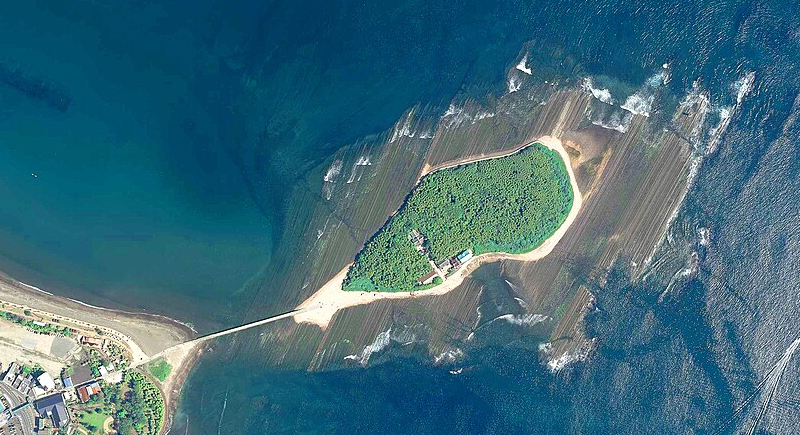
Image via Wikimedia Commons/国土地理院
The label makes the story sound playful, yet the reality is a bit more grim. Aoshima reflects a broader demographic pattern across rural Japan. Aging populations, urban migration, and shrinking local economies leave behind empty homes and limited services. The cats did not create the imbalance; they just filled the space left behind.
Tourists still arrive daily, cameras ready, and cats still gather near ferry landings, familiar with the routine. The difference now lies in intent. Caretakers manage a slow wind-down rather than a spectacle. The island is moving toward an endpoint that includes both people and animals.