There’s A Rumor That Norway Created Artificial Ice Pods for Arctic Seals
In 2025, social media posts claimed Norway had created floating artificial platforms designed for Arctic seals. According to viral captions, these structures were made from biodegradable materials, included grip grooves, and even contained sensors to track seal populations. The story sounded detailed enough to pass casual fact checks and go viral.
The images that circulated helped feed this rumor. The photos showed seals resting on clean, rectangular ice blocks marked with what appeared to be Norwegian symbols. Many viewers assumed the project came out of climate research labs or government-funded wildlife programs. Posts repeated the same technical talking points, which made the story seem organized and credible.
However, the content traced back to a social media account labeled as a digital creator rather than a scientific or news source. This was important once fact-checkers started looking closer at the origin.
What Fact Checks Actually Found

Image via Getty Images/yavorskiy
Investigations found zero credible reporting supporting the existence of artificial ice pods built by Norwegian engineers. If a project like this existed, it would likely appear in engineering journals, environmental research publications, or global news outlets. None showed evidence of it.
The viral images also raised red flags. Some seals displayed anatomy errors that do not match real seal biology, and the flag design shown on the platforms did not match Norway’s real national flag layout. Image searches linked most versions back to AI-generated content rather than real photography.
The Real Situation Facing Arctic Seals
While the ice pod claim proved false, Arctic sea ice decline remains a serious environmental concern. Sea ice plays a direct role in seal reproduction as seal mothers nurse pups on stable ice surfaces. When ice stability drops, nursing windows shrink, which can impact survival rates for young seals.
Recent climate reporting shows mixed signals. NOAA data indicate Pacific Arctic seal populations currently remain stable, and researchers observed diet changes and migration shifts toward colder northern waters. These adjustments have helped maintain overall population health so far.
Scientists still stress the long-term importance of sea ice. Ice supports microorganisms that form the base of the Arctic food chain, and removing or replacing that natural system with artificial platforms would create major ecological gaps.
Why Artificial Platforms Are Not A Realistic Fix
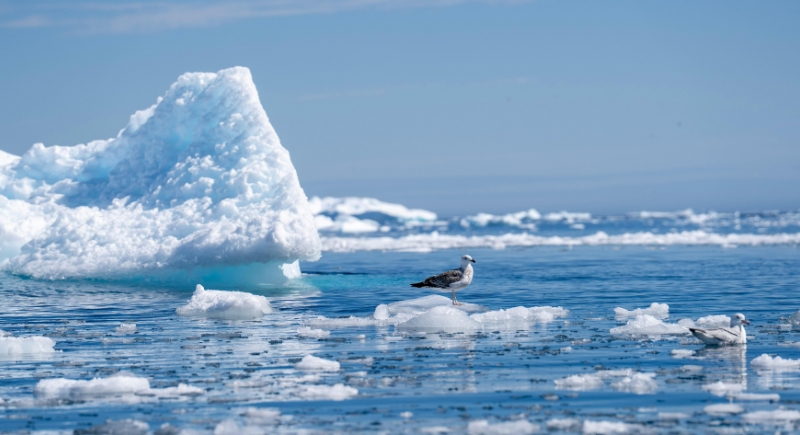
Image via Pexels/Jan Tang
Wildlife groups explain that sea ice serves as more than a resting surface. It functions as part of a vast ecosystem that supports fish populations, microorganisms, and larger predators. Artificial structures would address only one small piece of that chain.
Scale is also important, as the Arctic features extensive stretches of open water during warmer periods. Building enough floating platforms to replace natural ice would require huge manufacturing output, extreme costs, and ongoing maintenance in harsh ocean conditions.
Conservation experts generally focus on slowing climate change rather than rebuilding entire ecosystems. Prevention remains more practical than rebuilding complex natural systems piece by piece.
Climate anxiety creates strong emotional reactions, which makes dramatic solutions spread faster online. When a story combines environmental urgency, advanced technology, and cute wildlife, it tends to gain momentum quickly.