10 Things Your Guinea Pig Wants You to Know
Guinea pigs often seem easy to care for, but their needs go far beyond a cage and pellets. Many common mistakes can harm their health or shorten their lives. These small animals have specific needs that often get overlooked, even by well-meaning owners.
If you’re caring for one now or thinking about it soon, it’s crucial that you understand what truly keeps them healthy. Here’s what your guinea pig wishes you already knew.
They Depend on Hay to Survive

Credit: iStockphoto
Think of hay as their toothbrush and a daily source of fiber in one. It wears down their teeth, which never stop growing, and keeps their gut moving. Take it away, and you’re inviting dental overgrowth or blockages that often become emergencies. No pellets or veggies can replace it, no matter how premium they sound.
Grains and Seeds Can Harm Their Digestion

Credit: Canva
Despite looking nutritious, seeds and cereal grains aren’t built for a guinea pig’s gut. These ingredients can lead to bloating, obesity, and bacterial imbalance over time. They’re better off skipped completely, even if your guinea pig seems to enjoy them. That crunch isn’t worth the long-term health risk.
They Can’t Make Their Own Vitamin C
Credit: pexels
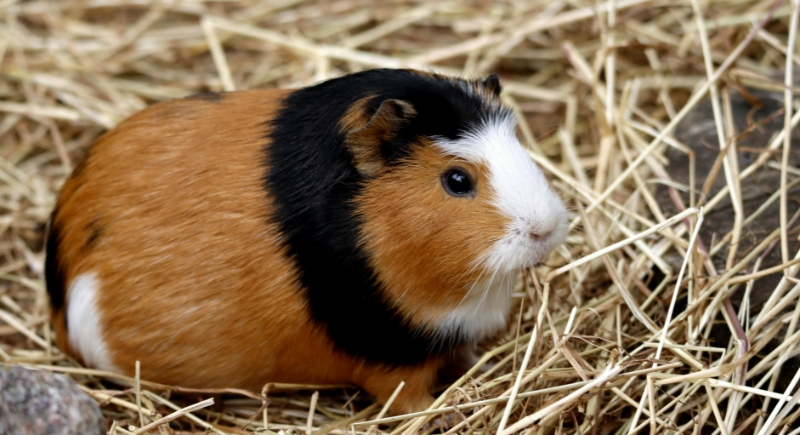
Guinea pigs can’t produce Vitamin C on their own, so they depend on their diet to get it every single day. A deficiency can cause scurvy, which shows up as sore joints, tiredness, or weight loss. Look for fortified pellets or add a stable liquid supplement to their water or food.
They Need a Companion of the Same Gender
Credit: Getty Images
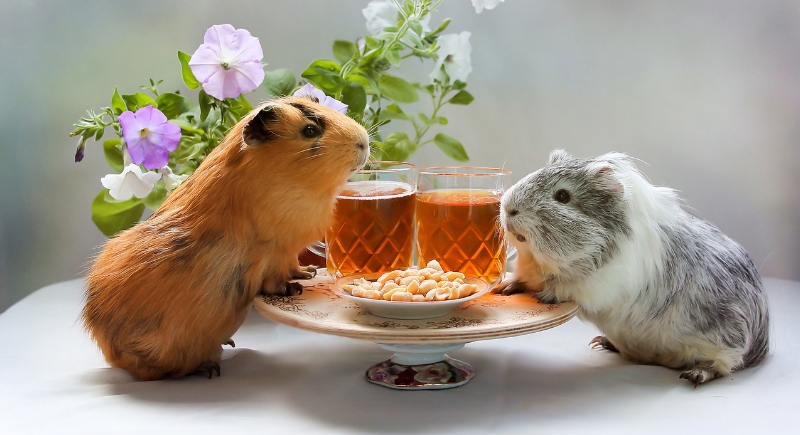
Guinea pigs are social herd animals. Living alone can lead to stress and loneliness. Housing them with a compatible, same-gender, or neutered companion helps maintain mental well-being. Opposite-gender pairs without desexing often result in unwanted litters or fighting.
Their Hearing Is Sharper Than Yours
Credit: pixabay
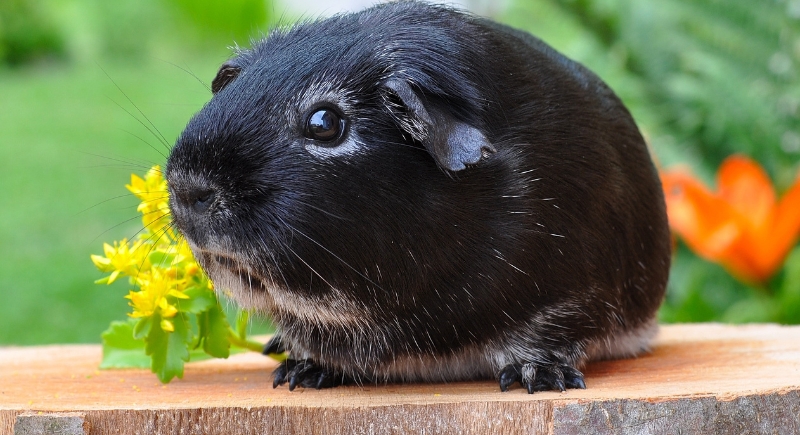
Your guinea pig hears sounds as high as 50,000 hertz, well past what humans can detect. That superpower helps them catch signs of predators, but it also means a vacuum cleaner or shouting can stress them out. They relax more easily in homes where noise levels stay predictable.
They Communicate With Over 10 Unique Sounds
Credit: Getty Images
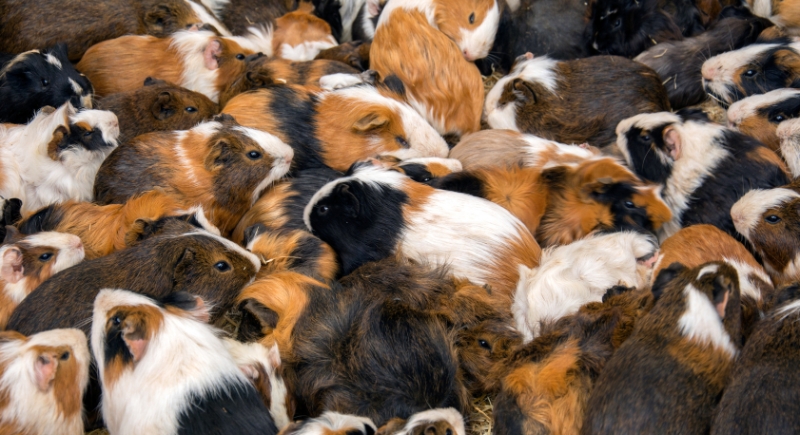
Guinea pigs use a wide range of vocalizations to express emotion. A low purr signals contentment, a high-pitched wheek demands food, and teeth chattering warns others to back off. Each sound has context, and learning them can help you spot discomfort or happiness early on.
They Rarely Close Their Eyes, Even When Sleeping
Credit: pixabay
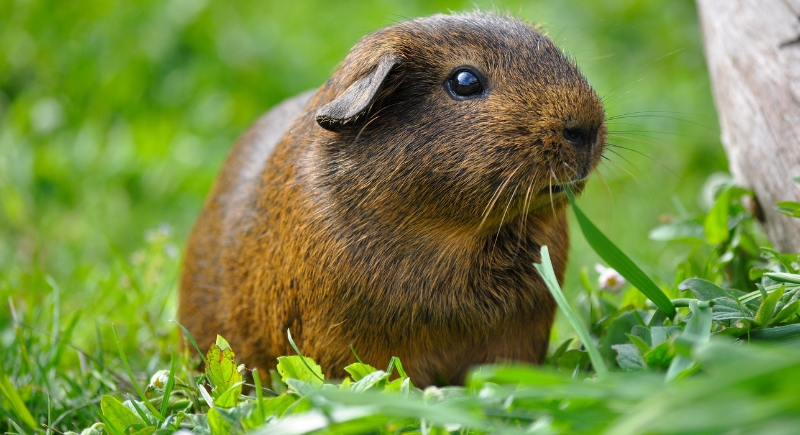
Because guinea pigs are prey animals, they sleep with their eyes open most of the time. Only when they feel completely safe will they close them. If yours sleeps with eyes shut, it’s likely because they trust their surroundings and feel secure.
They Sleep for Minutes, Not Hours

Credit: Getty Images
Don’t expect your guinea pig to sleep for hours like a cat. Their nap style is more like short power breaks of just five or ten minutes here and there, day or night. That’s why they seem awake all the time.
They Eat Some of Their Own Droppings
Credit: Getty Images
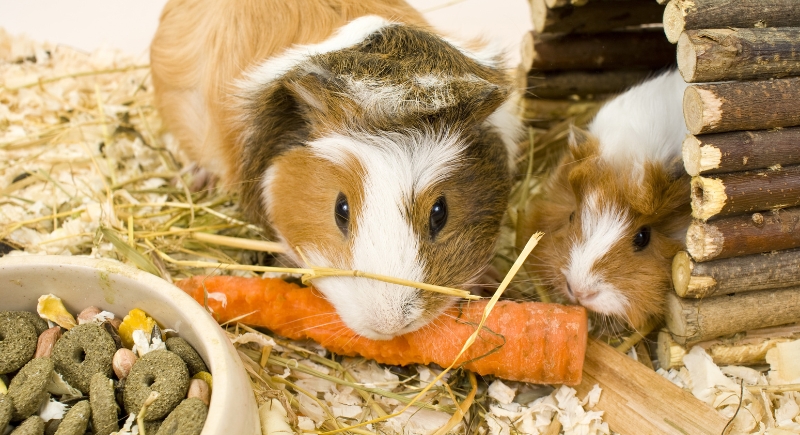
Guinea pigs produce a special kind of dropping called a cecotrope. They eat these on purpose to reabsorb nutrients, like B vitamins and fiber. It sounds strange, but this second pass through the gut is completely normal and necessary for their health.
Pregnancy Puts Them at High Risk

Credit: Wikimedia Commons
Guinea pig pregnancies last up to 72 days. Pups are born fully furred, with open eyes and the ability to walk, but this development comes at a cost. Large litters and long gestation increase the risk of fatal complications for both mother and babies. Breeding is never recommended.