10 Things Your Cat Does That Scientists Now Have an Explanation For
Living with a cat can feel confusing at times. One moment, they’re locked onto something you can’t see, the next, they’re racing across the room without warning. It may seem random, but most of what they do comes from instinct, biology, or small signals they use to communicate. Once you understand what’s behind these behaviors, they start to feel a lot less mysterious.
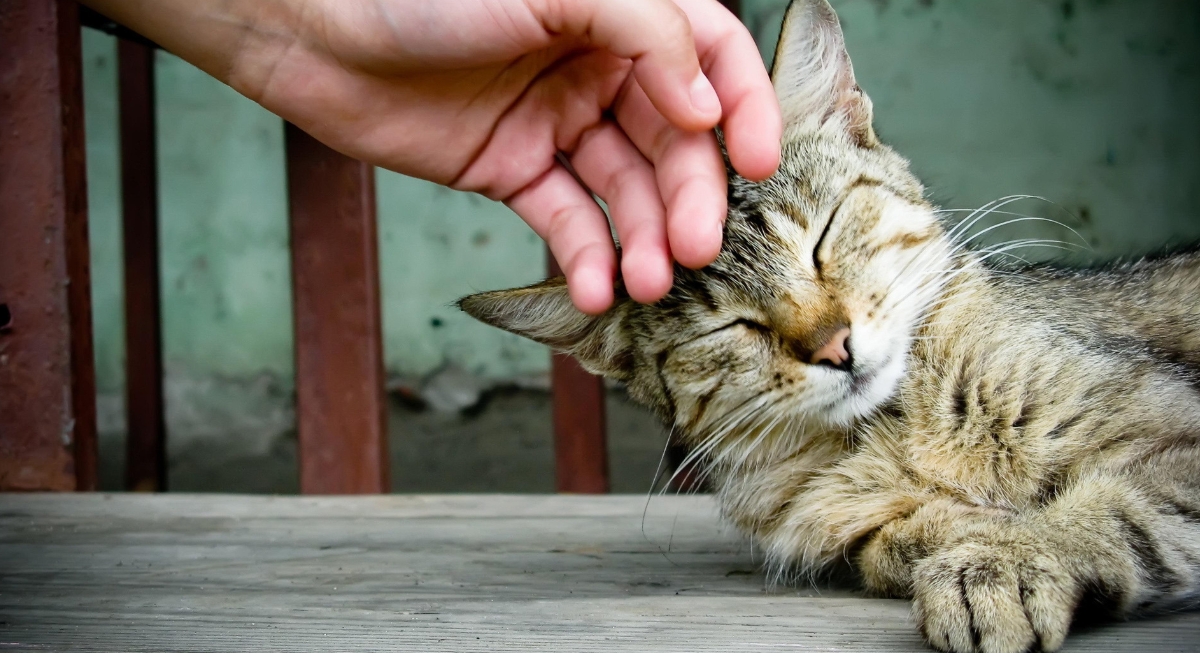
The Slow Blink Means Trust
Credit: Getty Images
A slow blink from your cat usually shows they feel safe and comfortable around you. Cats use this expression among themselves during calm, relaxed moments, so it carries the same meaning in your home. If you gently return the blink, your cat may respond back or come closer. It’s their way of signaling that everything feels okay and there’s no threat nearby.
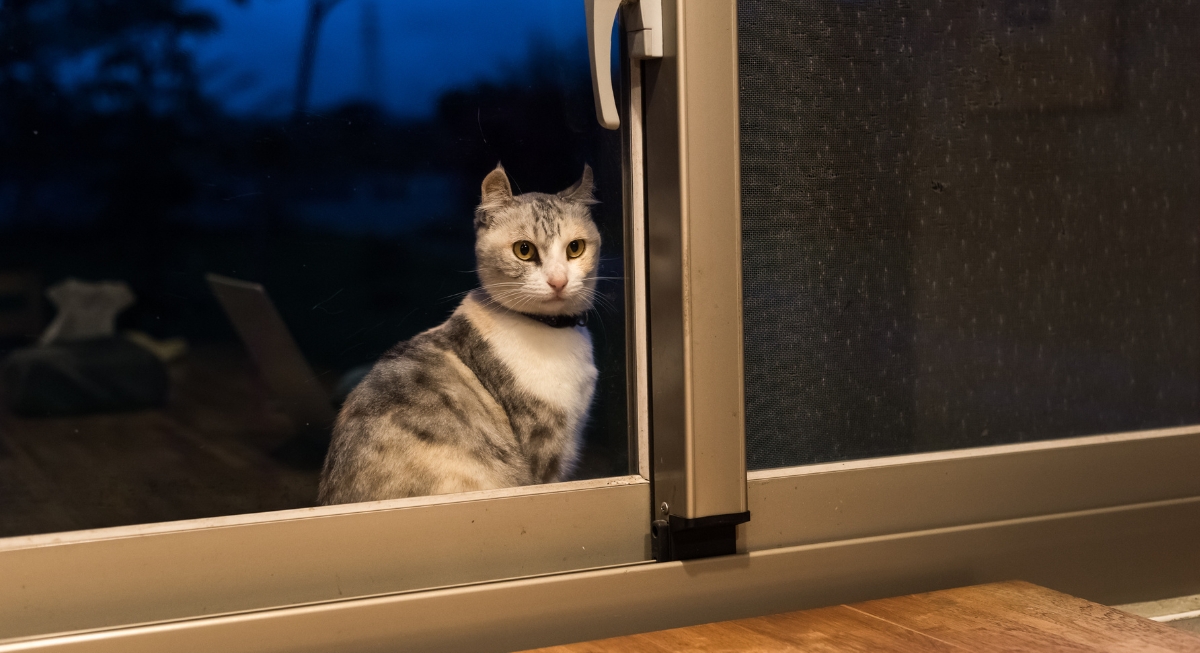
Midnight Zoomies Have a Biological Clock Behind Them
Credit: Canva
Those late-night bursts of energy are part of your cat’s natural rhythm. Cats are most active around dawn and dusk, which comes from their hunting instincts. When they spend long hours indoors without much activity, that energy builds up. It often comes out all at once, turning into those fast, unpredictable sprints that still follow a normal biological pattern.
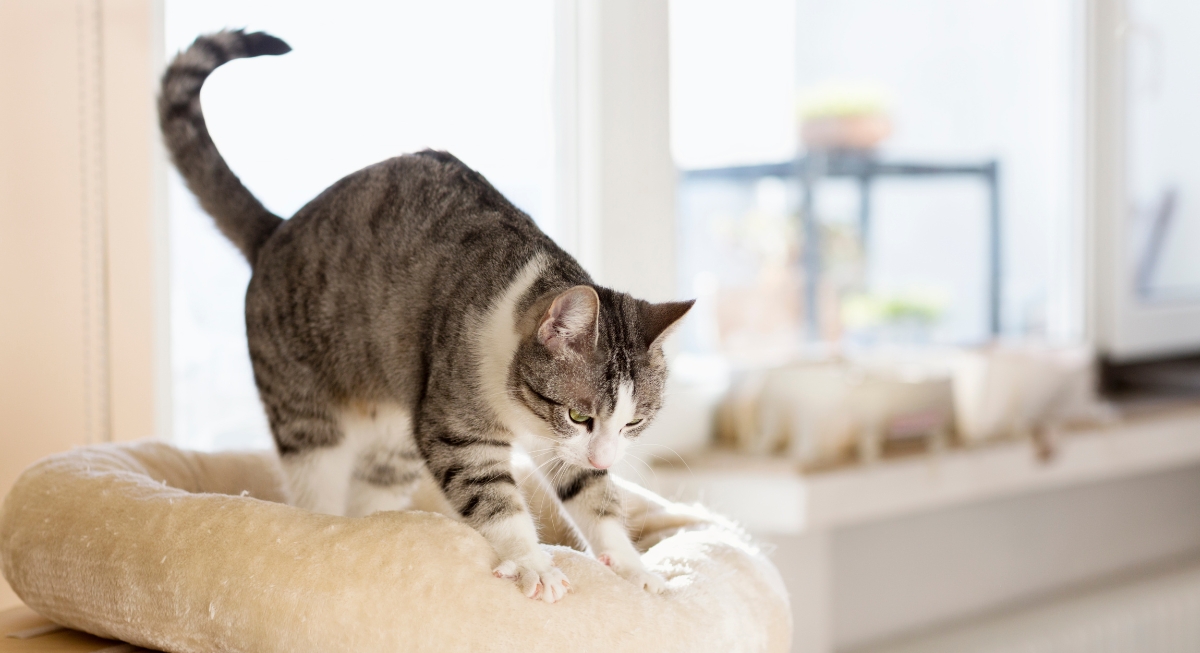
Kneading Comes From Kittenhood
Credit: Getty Images
Kittens press their paws into their mother’s belly to stimulate flow, and that motion sometimes carries into adulthood. You’ll notice this behavior in relaxed settings, especially when a cat feels comfortable. Some even drool during the process. Researchers link it back to early-life behavior patterns and long-standing comfort associations.
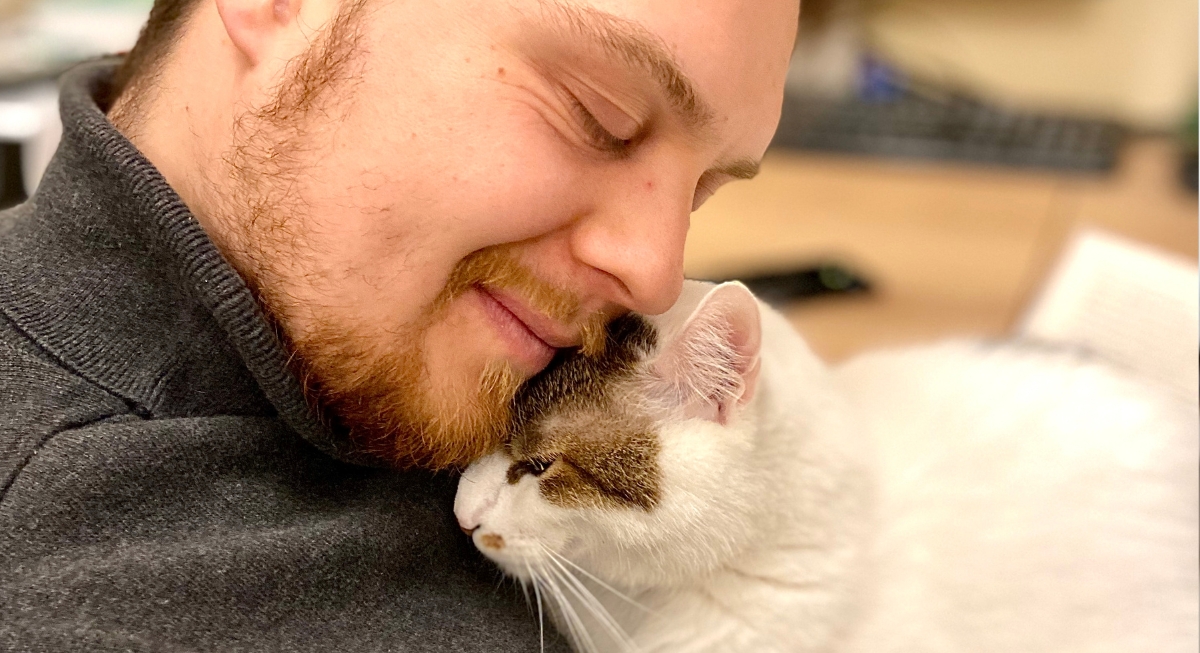
Head-Butting Builds Familiarity
Credit: Getty Images
When your cat gently bumps their head against you, it’s more than a random habit. Cats have scent glands around their cheeks, and this contact leaves behind pheromones that help them recognize you. It’s a way to build a connection and mark you as familiar. Over time, these small nudges help your cat feel more at ease around you.
Bringing “Gifts” Follows Instinctive Patterns
Credit: iStockphoto
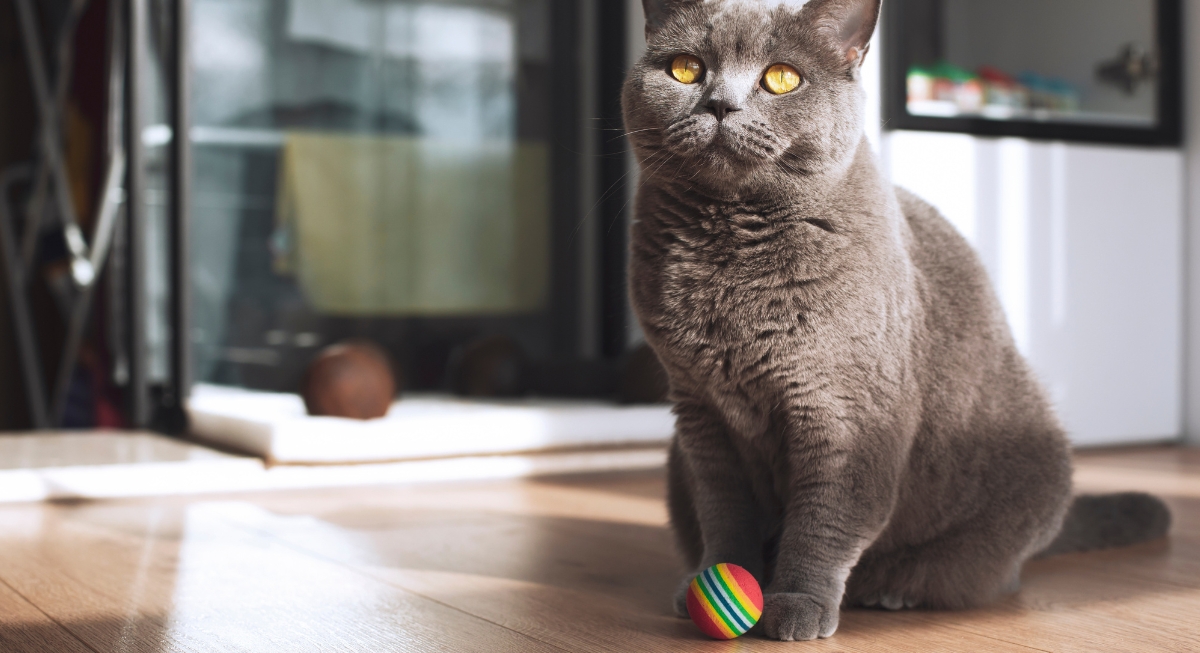
When your cat drops a toy, or something less pleasant, it’s usually tied to instinct. In the wild, cats move prey to a safer spot after a hunt, and that pattern still shows up at home. Some researchers also think it can have a social side, like sharing or teaching. There isn’t one explanation for every case, but instinct plays a clear role in why this happens.
Sitting in Boxes Helps Reduce Stress
Credit: pixelshot
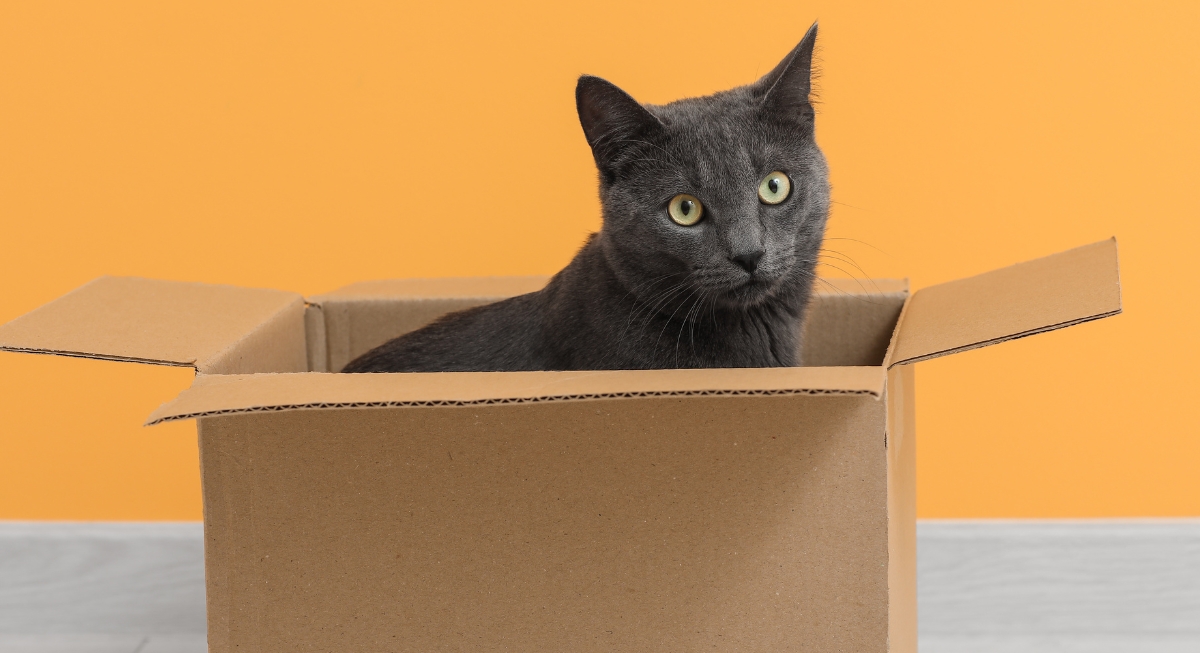
Give a cat a box, and you’ll notice an immediate response. Enclosed spaces offer a sense of control, which lowers stress levels. Shelter studies have shown that cats with access to boxes adjust faster to new environments. The structure provides warmth and a place to observe without exposure. That combination makes even a simple cardboard box surprisingly effective.
Tail Flicking Signals Emotional Build-Up
Credit: pexels
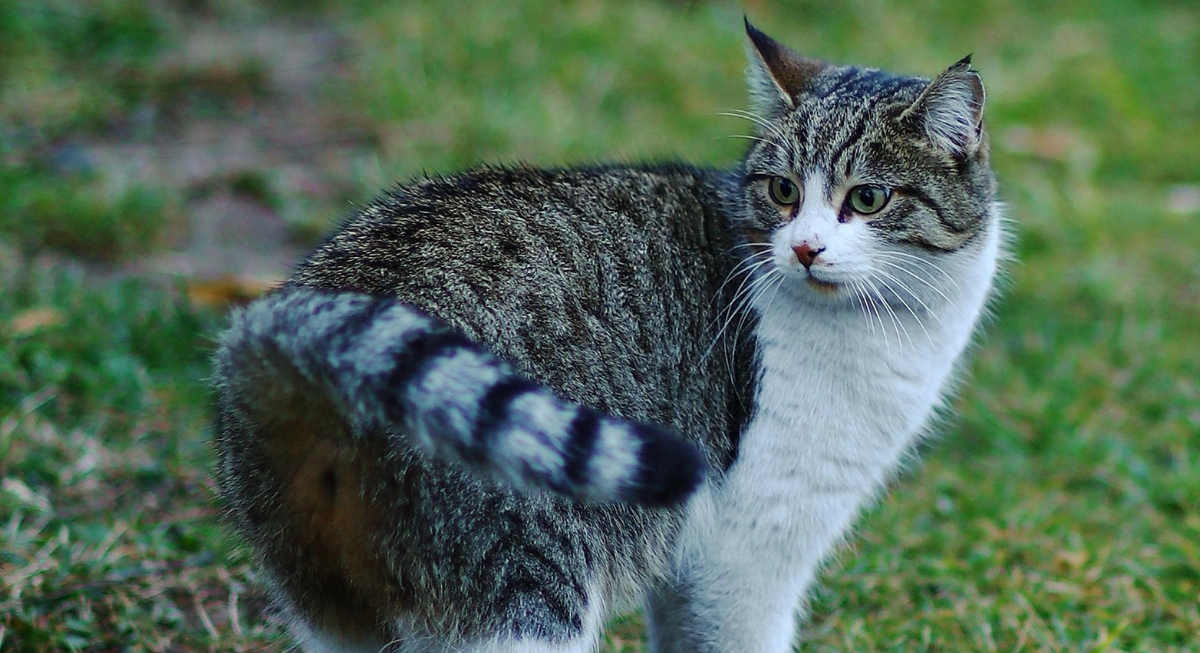
A cat’s tail tells the story before anything else does. Quick flicks signal irritation or rising tension, while slower movements reflect curiosity. The position matters too. An upright tail may hint at a friendly or confident mood. In essence, watching both the movement and posture of a cat’s tail should give a clearer read on what’s coming next, before the rest of the body reacts. Still, not all cats may provide the same signals.
Scratching Furniture Maintains More Than Claws
Credit: Canva
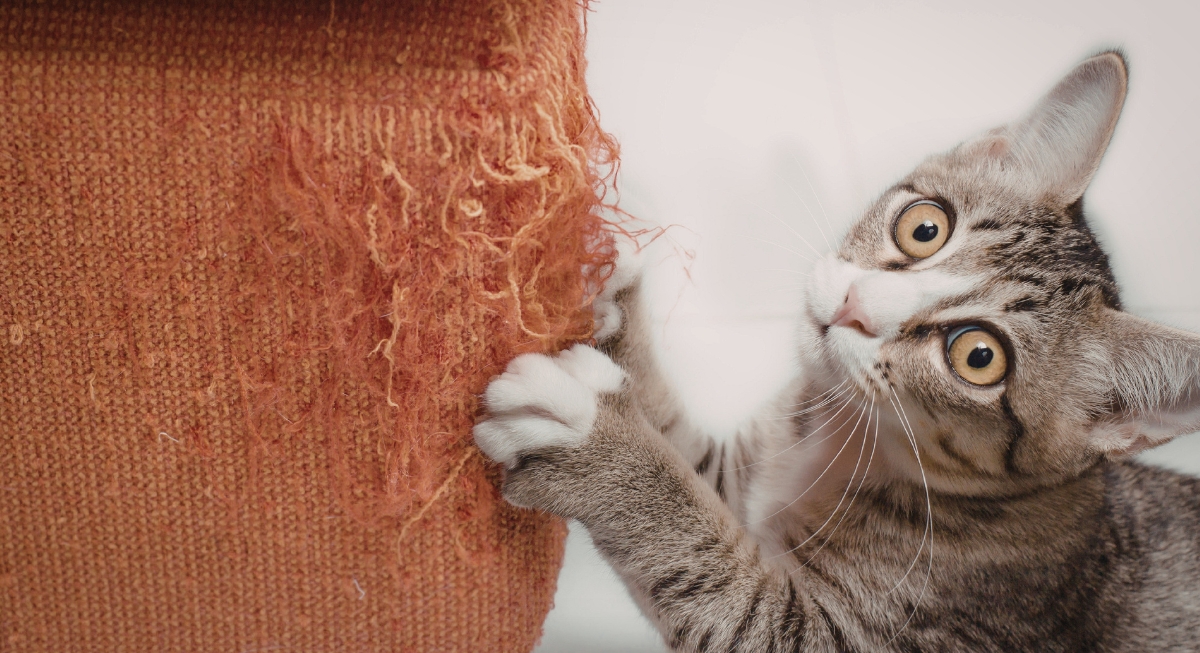
Your ruined sofa may say otherwise, but scratching doesn’t signify a desire to cause random damage. It removes the outer layer of a cat’s claw and helps keep it functional. At the same time, scent glands in the paws leave behind chemical signals. Visible marks add another layer to this action, turning the furniture surface into a kind of message board. Placement matters, which explains why prominent furnishings are the main targets.
Cats Sit on Laptops and Keyboards for a Reason
Credit: Canva
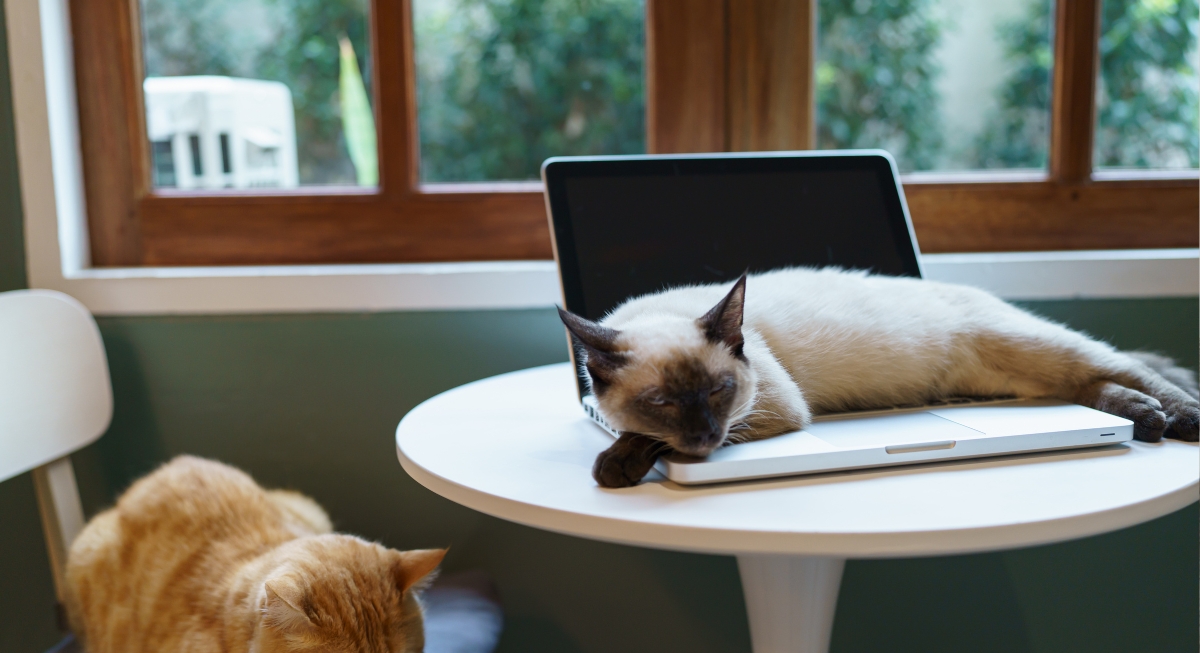
Work screens attract cats for a reason, and it’s not a sudden desire for employment. The warmth plays a role, but it’s not the full story. Cats are drawn to objects that hold human attention. Behavioral studies suggest they learn which items get the most interaction, making a laptop a high-value spot. Sitting there places the cat directly between its human and their activity, increasing the chances of engagement.
Rolling Onto the Back Doesn’t Always Mean “Pet Me”
Credit: Canva
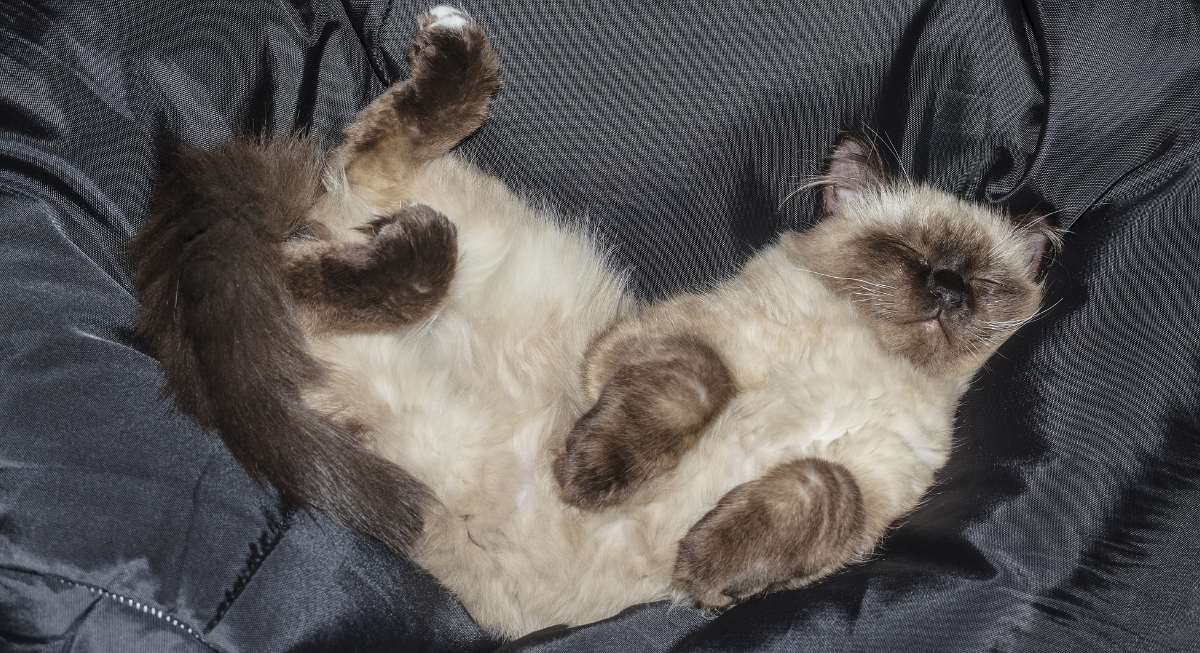
Though the belly looks like an invitation, that’s not always the case. This position reflects a feline’s comfort and trust in their surroundings, since the underside is a vulnerable area. Many cats remain cautious about contact there and may react quickly if touched, so don’t be surprised if touching that spot triggers a defensive reaction.