Thinking About a Pet Hedgehog? Here’s What You Need to Know First
African pygmy hedgehogs have grown popular over the years, especially with how often they show up online. But there’s more going on behind that image. In 2019, the CDC linked several Salmonella cases to pet hedgehogs, showing that even healthy ones can carry bacteria.
Some places, including California, Georgia, Hawaii, Washington, DC, and New York City, also ban private ownership. It’s the kind of pet that needs a bit of homework before bringing one home.
Hedgehogs Are Solitary and Often Shy

Image via Canva/Bilder von YuM
African pygmy hedgehogs live alone in the wild except during mating season, and many startle easily and curl into a tight ball when unsure. A young hedgehog adopted at about six to eight weeks old usually adjusts better to handling. With patience, some will climb onto your arms and explore.
Expect tolerance before affection, since many stay independent and prefer limited handling. Keeping more than one is risky. Males can fight to the death, and females may also injure each other. Each hedgehog needs its own enclosure.
They are also nocturnal: activity typically begins around dinnertime and continues into the early morning hours. That means running on the wheel, rustling bedding, and rearranging toys while the house sleeps.
Space and Setup Are More Important Than Size
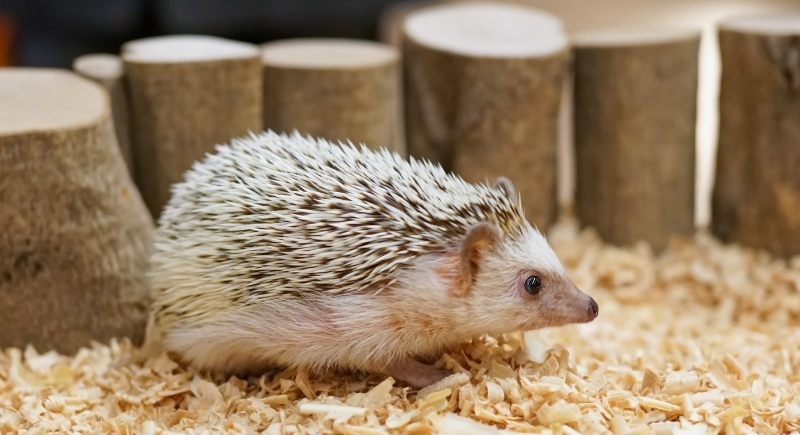
Image via Getty Images/Sompote SaeLee
Even though they’re small, hedgehogs are active and need room to move. In the wild, they travel long distances while foraging, so a cramped setup doesn’t work. Most vets suggest an enclosure at least 24 by 24 inches, with some recommending closer to 2 by 3 feet. More floor space matters more than height. Keep walls high enough to prevent escapes, and avoid tall platforms or ramps that could lead to falls.
Inside the enclosure, include a solid-surface exercise wheel or saucer-style wheel, a sleeping box, a litter area, food and water stations, and tunnels and safe toys. Avoid wire or mesh flooring and wheels, as their feet can get caught, leading to injury.
Temperature control is also important because hedgehogs thrive between 70 and 80 degrees Fahrenheit. Colder conditions raise the risk of respiratory infections, and excess heat increases the risk of heatstroke. So skip heat mats under cages as they can overheat quickly.
Their Diet Is Specific
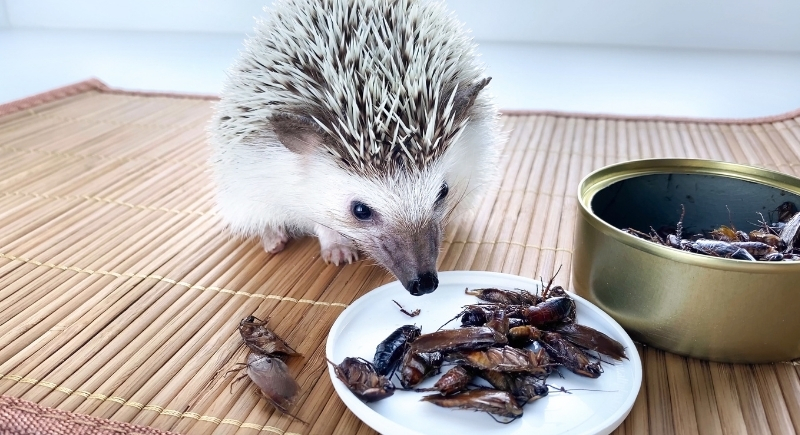
Image via Getty Images/Marina Troynich
Hedgehogs are insectivores. In the wild, they eat insects, plants, and roots. As pets, they need high-quality hedgehog-specific kibble containing at least 30 percent protein and less than 20 percent fat. Supplement that base with live or freeze-dried crickets, mealworms, or waxworms.
Cooked egg, small portions of chicken, certain fruits such as apples or berries, and vegetables like green beans can round things out. Some owners also offer occasional pinky mice. Obesity is common in captive hedgehogs, so portion control counts.
Toenails grow fast and require trimming about once a month. Gloves help during early attempts, since a nervous hedgehog may curl up and press quills into your skin. Access to an exotic animal veterinarian is essential. Hedgehogs still need routine wellness exams and monitoring for dental issues, skin conditions, tumors, and weight problems.
Health Risks for Humans Are Real
The CDC investigation in 2019 highlighted Salmonella transmission tied to pet hedgehogs. Households with children under five, older adults, or immunocompromised individuals face a higher risk. Handwashing after handling the animal or cleaning its enclosure is mandatory. Keep hedgehogs away from kitchens and food prep areas, and avoid kissing or snuggling close to the face.
Quills can puncture skin and introduce bacteria. Clean any wound promptly and monitor for signs of infection. Bites are usually minor, though an upset hedgehog can clamp down harder than expected.