Tokyo Company Hires 11 Cats as Official Sales Department Employees
Inside a Tokyo office building, part of the sales department spends the workday sleeping near windows, walking across overhead platforms, or sitting beside employees during meetings.
At system engineering firm Qnote Inc., those co-workers are cats. The company has 11 cats assigned to its sales division, where they contribute to workplace culture and appear in company-facing brand and social media content.
The setup developed gradually. The company’s first office cat arrived in 2004, one year after the business was founded. That first cat, Futaba, came from foster care at a neighborhood sushi restaurant before joining the office. Over time, the company adopted more cats, eventually reaching the current total of 11.
How The Cats Became Part Of The Company
The cats are treated as internal staff members and are given playful corporate-style titles, including department leadership labels. Within the company, the cats are connected to workplace culture and public relations activity, especially through company social media and public storytelling.
Employees interact with the cats throughout the day. Staff members say that caring for the animals often leads to casual conversations between teams. The cats also create short pauses during long stretches of computer work. In an office centered on software and systems engineering, the presence of the cats adds variety to the daily routine.
Designing An Office Built Around Cats
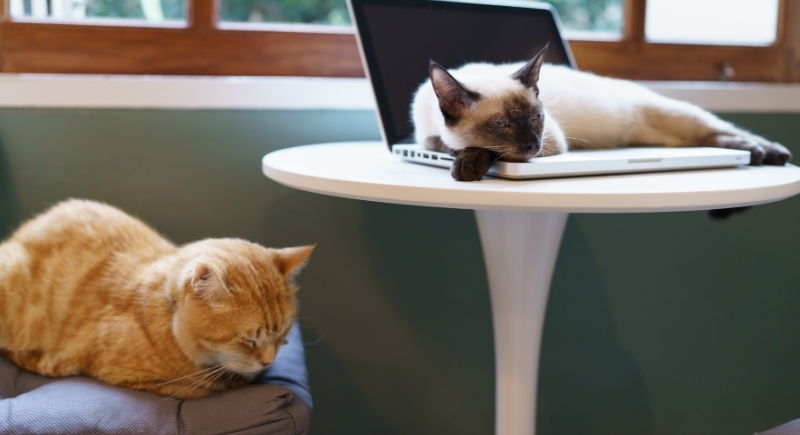
Image via Canva/charliepix
In 2020, the company moved into a new four-story office building and redesigned the interior to support both employees and cats. The space includes elevated walkways, climbing paths, and open movement areas so the animals can move through the office safely.
The layout allows the cats to remain active and visible during the workday. The design reflects the company’s workplace approach, which supports comfortable working conditions and flexible thinking.
The cats also appear regularly in company photos and online posts. This has made them part of how the company is recognized publicly. For a mid-sized engineering firm, the cats create a recognizable and consistent public identity.
A Workplace Model That Grew Over Time
Company leadership supports the setup as part of its workplace philosophy. The company’s CEO has said that work environments benefit from flexibility and comfort.
The cat workplace developed through gradual adoption and integration into daily office life. Over two decades, the cats became part of the company’s identity and everyday operations.
Today, the 11 cats remain part of daily life inside the Tokyo office. They move through the workspace, interact with employees, and appear in company communications. Their presence is now a permanent part of how the company operates internally and presents itself externally.