Mistakes Dog Owners Make on the Trail That Could End in Disaster
Hiking with your dog can be one of the best ways to explore the outdoors. However, even well-meaning dog owners make mistakes that can quickly turn a fun outing into a dangerous one.
Remote trails often lack quick access to help, and dogs rely completely on their humans to make smart choices. Small oversights carry serious consequences. Before you head out, it’s important to know what to avoid. A little planning goes a long way toward keeping your dog safe and happy out on the trail.
Skipping A Pre-Hike Health and Fitness Assessment
Credit: Canva
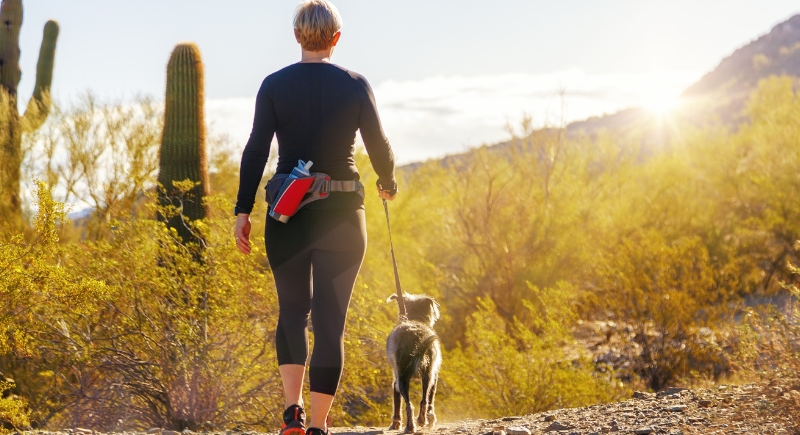
Some dogs look energetic but have underlying issues that aren’t visible until they’re halfway up a trail. Large breeds take longer to finish growing, and intense activity before their growth plates close can cause permanent joint damage. A vet check can rule out hidden conditions and confirm that your dog’s bones and heart are healthy.
Hiking During Dangerous Heat Conditions

Credit: Getty Images
Dogs are far less efficient at regulating heat than humans. They cool themselves primarily through panting and limited sweat glands in their paw pads. On hot, humid days, dogs are vulnerable to heatstroke, especially on exposed trails or those with steep climbs. Most cases require immediate veterinary intervention.
Allowing Dogs to Drink From Streams or Puddles
Credit: Canva
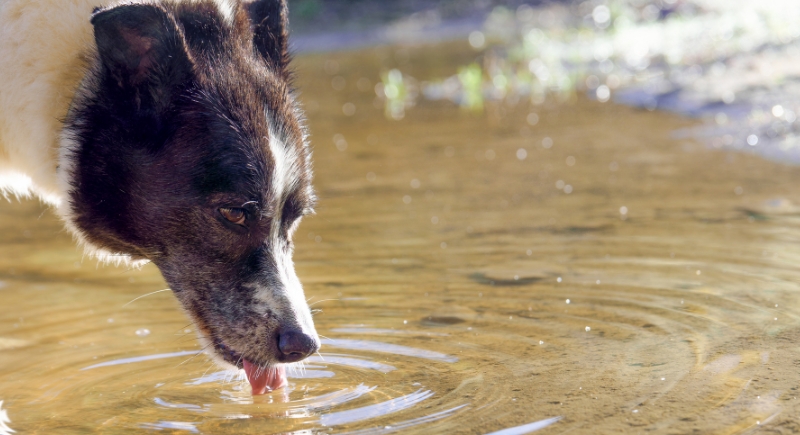
Many natural water sources contain harmful pathogens. Leptospira bacteria can cause leptospirosis, a serious illness that affects the kidneys and liver. Giardia, another common parasite in standing or slow-moving water, causes severe gastrointestinal problems. Dogs should only drink clean water brought by their owner.
Failing To Check For Ticks After Exposure
Credit: Getty Images
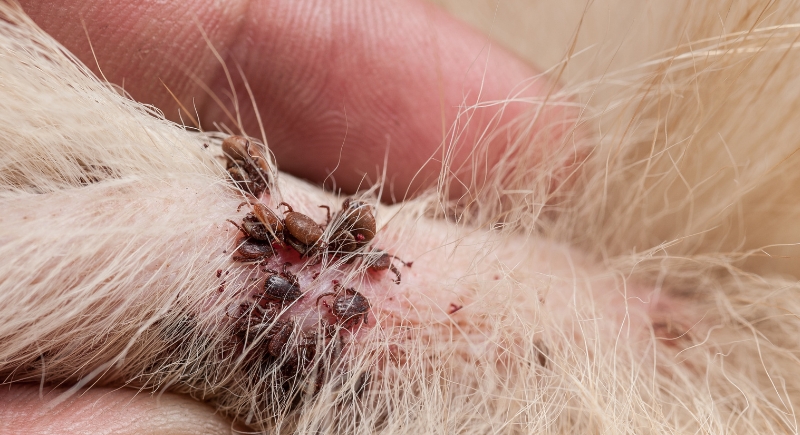
Ticks are found in tall grass, wooded areas, and leaf litter. These parasites can transmit Lyme disease, ehrlichiosis, and anaplasmosis to dogs. A full-body check right after the hike, especially in high-risk regions, gives you the best shot at removing ticks before they transmit anything.
Using Poor Recall Training in Off-Leash Areas
Credit: Getty Images
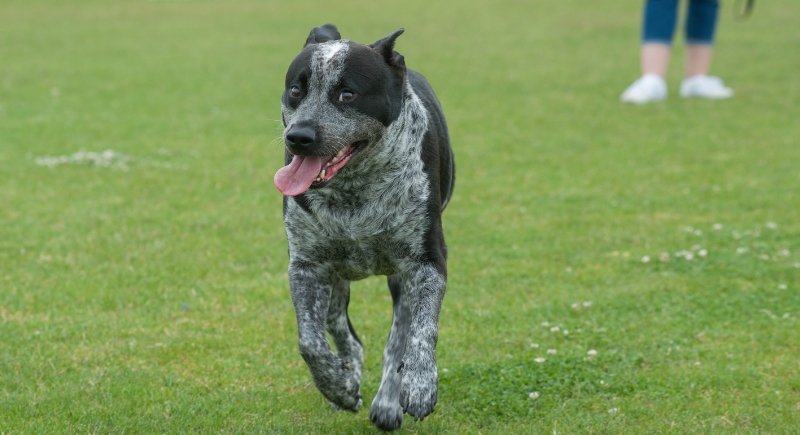
A trail isn’t the place to test your dog’s ability to return when called. Before unclipping, make sure your dog responds quickly and reliably to recall, even with distractions, and always keep them leashed in areas with drop-offs or heavy foot traffic.
Taking Young Dogs On Strenuous Trails
Credit: Getty Images
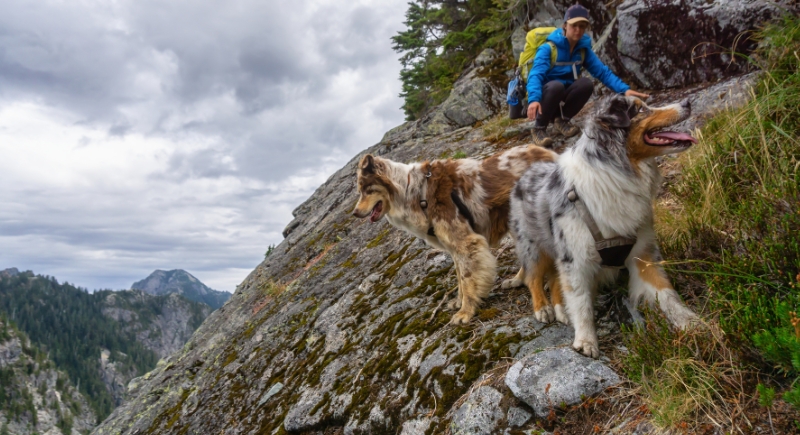
Puppies are full of energy but aren’t built for rugged terrain. Intense or repetitive exercise puts stress on still-developing bones and joints. Vets recommend waiting until dogs are physically mature, often past 18 months for larger breeds, before attempting anything too steep or long. Stick with flat, easy trails and build up gradually.
Neglecting Critical Behavior Commands
Credit: Canva
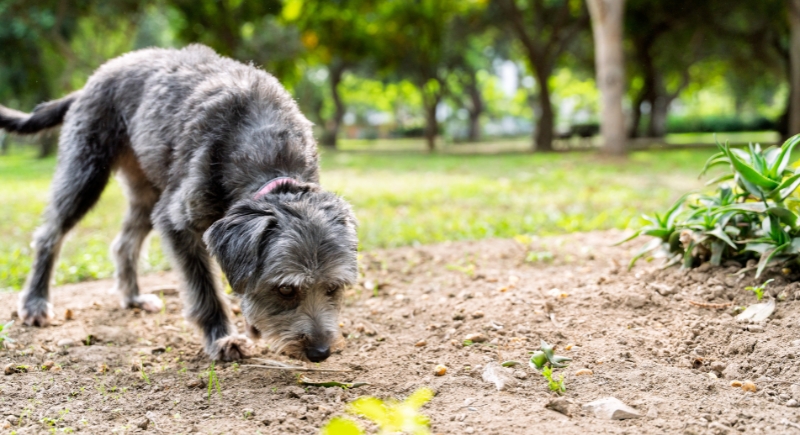
It only takes a second for a dog to swallow something dangerous. Rotten food, animal remains, or poisonous plants are common along trails. “Leave it” can prevent that. “Drop it” is your backup when prevention fails. These commands can prevent emergency vet visits or worse.
Hiking Without Emergency Supplies

Credit: Canva
Dog-specific first aid kits should include gauze, antiseptic, a soft muzzle, and a blanket or sling for carrying injured pets. Without basic supplies, even minor injuries can worsen on remote trails. A lightweight, foldable pet carrier enables owners to transport dogs that cannot walk. Cell service may be limited, so it’s also useful to store local emergency vet numbers in your phone before departure.
Allowing Untrained Dogs Off-Leash Around Wildlife
Credit: Canva
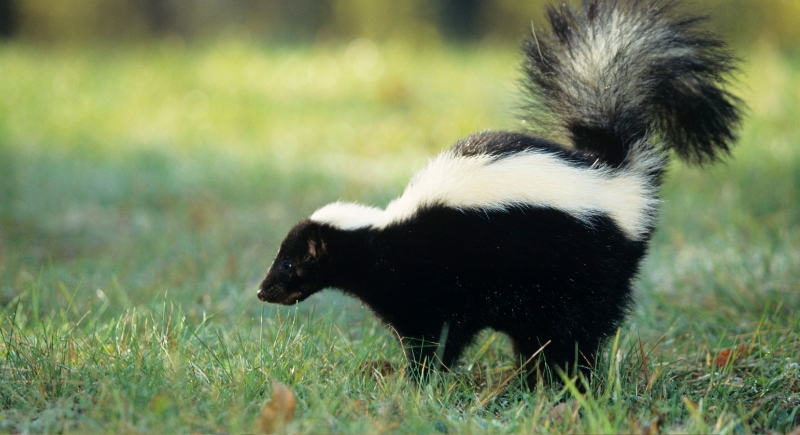
Chasing wildlife is dangerous for both the animal and the dog. In many areas, chasing protected wildlife is illegal. Dogs can also be injured by defensive animals such as porcupines, skunks, or snakes. If your dog has a history of chasing, keep them leashed at all times. Wildlife deterrence training requires consistency and should be in place before hiking in areas with animal activity.
Continuing The Hike After Signs Of Distress
Credit: Getty Images
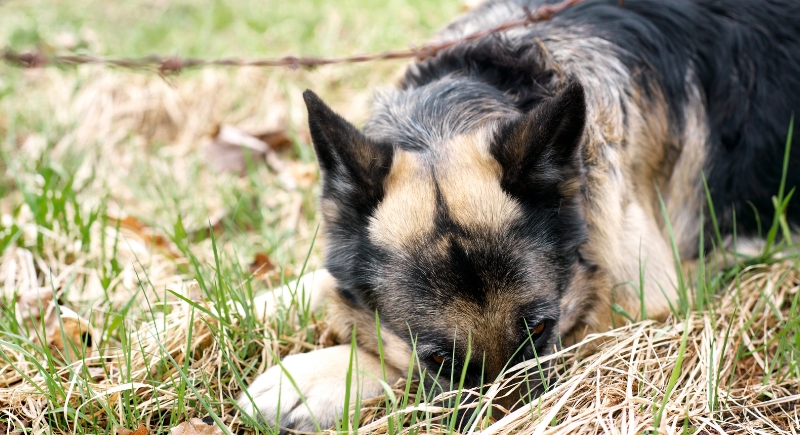
Owners often underestimate the seriousness of early signs, such as fatigue, limping, or behavioral changes. Continuing the hike after these warning signs can lead to collapse, heatstroke, or injury. Dogs may not visibly show pain until it becomes severe. If a dog slows down, pants excessively, or refuses to continue, it’s time to turn back.