Turtle Facts That Sound Fake but Are Completely True
Most of us grew up with the rabbit and the turtle story, where the turtle wins by simply taking its time. That idea tends to stick and influences how we picture turtles for years. In real life, they are far more active than that image suggests, with some species moving quickly through water and covering vast ocean distances.
Their bodies are just as fascinating. A turtle’s shell is fused to its skeleton, so it is part of them, not something they can leave behind. Many also rely on Earth’s magnetic field to find their way across oceans. When you look at these traits together, turtles feel far more complex than the slow, simple creatures we often imagine.
Their Shell Is a Living Part of Their Body
Credit: Getty Images
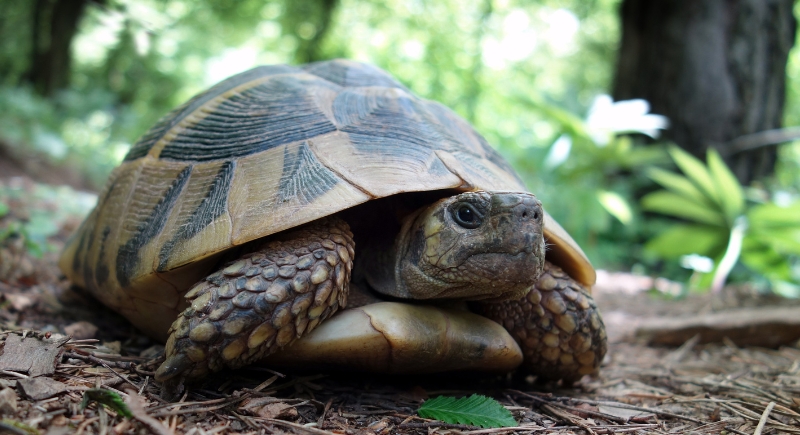
People often assume a turtle’s shell works like removable armor, which creates confusion about how it functions. The shell actually forms part of the skeleton, with ribs and spine fused into a solid structure. It contains dozens of bones and an outer keratin layer. Nerves run through this part, so contact registers as sensation.
One Species Uses Its Mouth to Release Waste
Credit: Wikimedia Commons
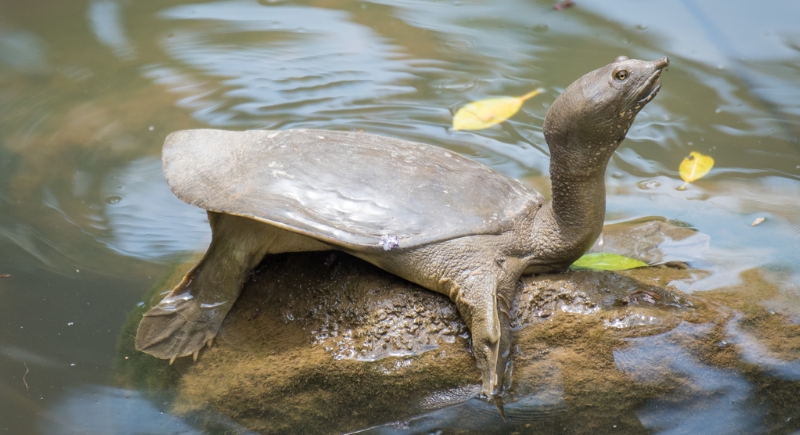
The idea sounds exaggerated, yet research confirms the behavior in the Chinese softshell turtle. This species releases urea through its mouth while submerged in water. Scientists link this adaptation to survival in areas where freshwater is limited and to avoiding excessive moisture loss through standard excretion.
They Breathe Through an Unexpected Organ
Credit: Wikimedia Commons
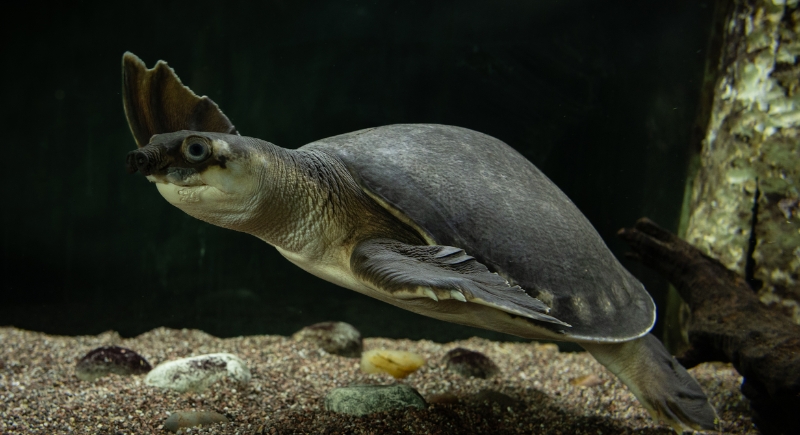
Breathing is generally tied to the lungs and air intake. Certain freshwater types have adapted to survive long periods underwater during winter by using cloacal respiration. They take in oxygen through an organ near their backside, which allows them to remain beneath ice.
They Can Be Underwater for Hours
Credit: pexels
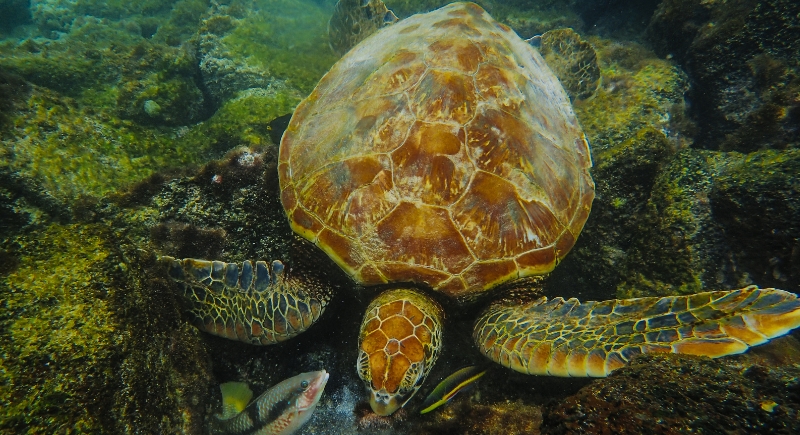
To conserve energy, these creatures reduce their heart rate and limit movement when underwater. This change reduces the amount of oxygen they need to function. Some species can stay underwater for up to seven hours during rest. The ability allows them to manage limited oxygen by using it slowly and efficiently.
They Can Live for More Than a Century
Credit: Wikimedia Commons
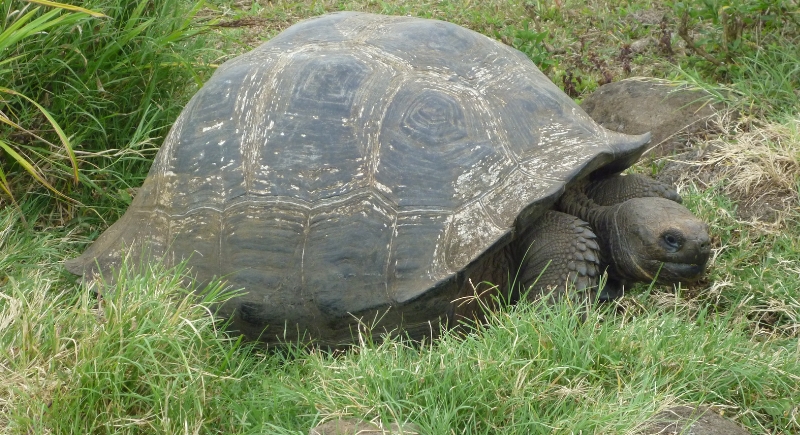
Longevity in turtles may read like an exaggeration, yet documented cases confirm that several kinds live well beyond 150 years. Historical records include individuals who spanned multiple human generations. Their slow metabolism plays a major role in their lifespan, since their bodies use energy at a steady, reduced rate. This pace affects how quickly their cells age.
They Navigate Using Earth’s Magnetic Field
Credit: Canva
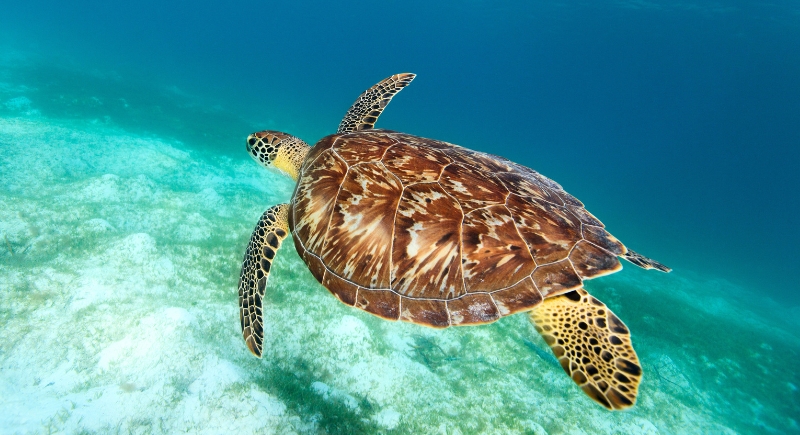
Using Earth’s magnetic field as a guide, sea turtles navigate across vast ocean distances with remarkable accuracy. They detect subtle variations in the magnetic field and use them as directional cues. Scientists have observed how these animals adjust their paths in response to these signals. The system works without visible landmarks, which makes the precision stand out.
Sand Temperature Determines Their Sex
Credit: Wikimedia Commons
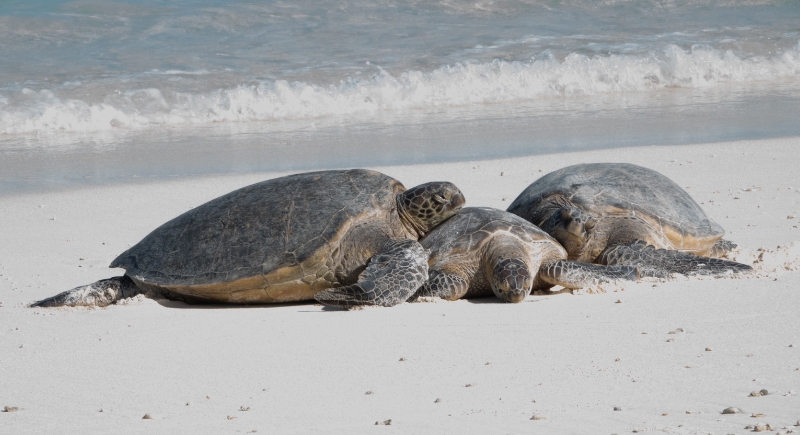
It may sound unusual, but these shelled reptiles are not determined by genetics alone at birth. The temperature of the nest during incubation plays a key role in how hatchlings develop, with warmer sand usually leading to more females and cooler conditions resulting in more males. Even small shifts in temperature can influence an entire group within a single nesting cycle.
They Return to Their Birthplace Years Later
Credit: Wikimedia Commons
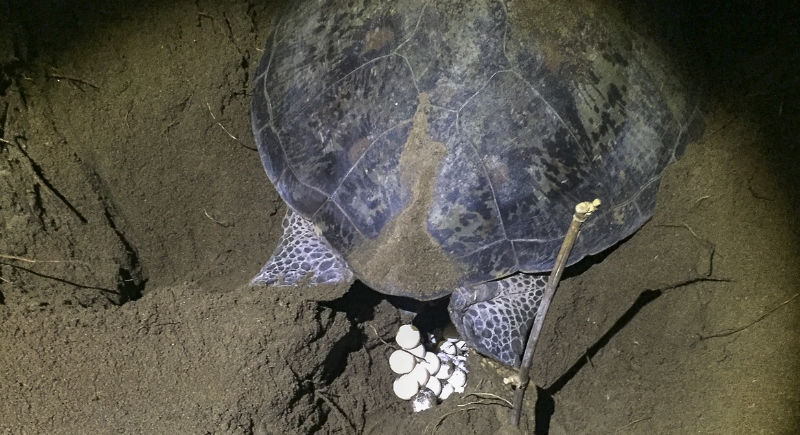
Another surprising fact about sea turtles is their return to their birthplace even after decades at sea. This behavior points to a strong form of long-term memory that experts are still trying to fully understand. Females travel across vast distances and still locate the exact beach where they hatched. It is widely believed that magnetic imprinting guides them back.
They Do Not Have Teeth at All
Credit: pexels
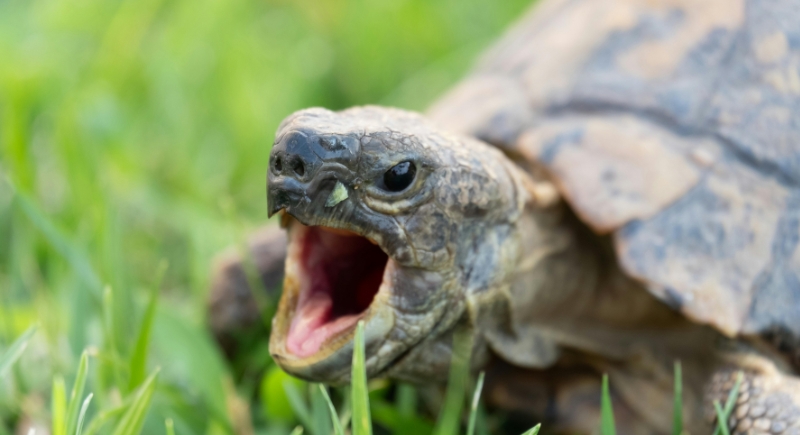
What mostly surprises people is that, unlike other reptiles, turtles have no teeth at all. They rely on a strong beak made of keratin to handle food effectively. This beak makes it easy to cut plant material and crush hard prey such as shells. Hatchlings briefly use a small egg tooth to break out of their shell.
They Lived Alongside Dinosaurs
Credit: Wikimedia Commons
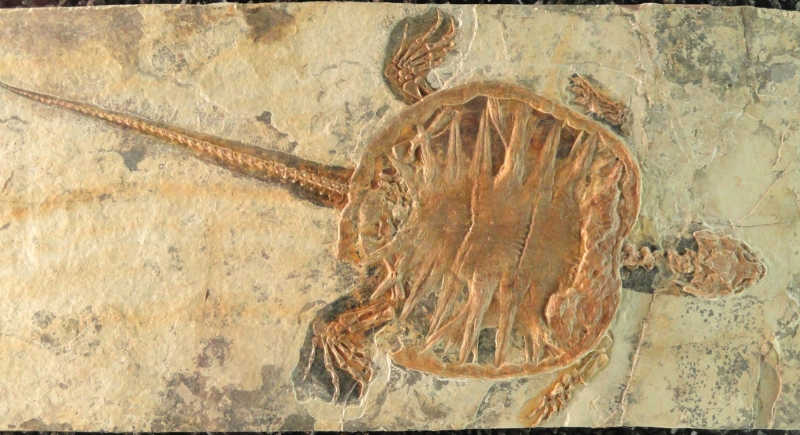
Fossil records confirm that turtles appeared more than 200 million years ago and lived alongside dinosaurs for millions of years. These records also show that they survived major extinction events that eliminated many other species. Their physiology has also stayed largely the same over the years.