Pet owners in the UK are being called to action for an unusual mission involving a plastic bag. The government’s new Pet Poo Campaign is more than just keeping pavements clean. It is part of a major research project to track antibiotic-resistant bacteria that could pose serious risks to both animals and people.
Over half of UK households own a pet, meaning millions of homes where humans and animals share the same spaces daily. That closeness is comforting, but it also opens the door for harmful bacteria to pass between species. Research shows that pets and their owners can swap dangerous pathogens like MRSA. Scotland’s Rural College, SRUC, will run the campaign over four years.
It might feel a little strange at first—sending off a small bag of your pet’s waste—but there’s a solid reason for it. Even healthy dogs and cats can carry bacteria that don’t respond to antibiotics, often referred to as superbugs. These germs can make infections harder to treat because the usual medicines no longer work.
The government’s research aims to test these waste samples to see how widespread such bacteria are. By mapping their presence, scientists can identify patterns in how they spread. That information could give doctors and veterinarians better tools for treating infections and help slow the march of antibiotic resistance.
Your Pet Might Be Carrying Hard-to-Treat Superbugs
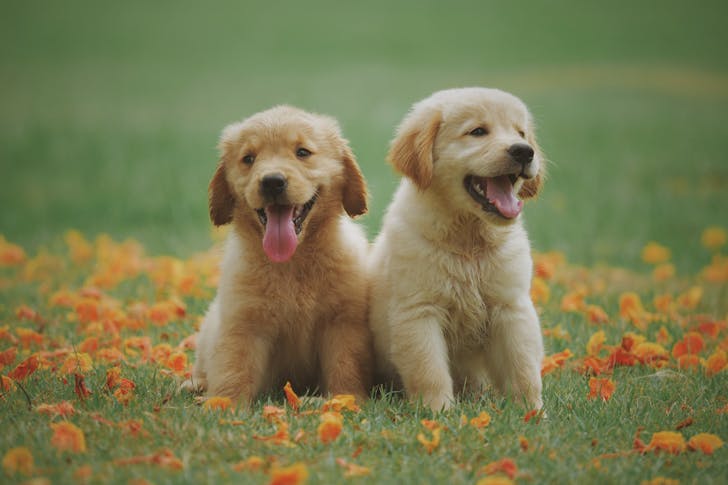
Chevanon / Pexels / If a pet carries resistant bacteria, it can easily pass to its owner through touch, grooming, or handling waste.
The danger is not abstract. These bacteria can cause infections that are harder to treat, such as urinary tract infections or skin wounds that don’t heal. In severe cases, they can lead to life-threatening conditions like sepsis. The World Health Organization has named antimicrobial resistance as one of the biggest health threats facing the planet.
When left on the ground, pet poo doesn’t simply disappear. Rainwater can wash it into drains and rivers, carrying bacteria and parasites into waterways. In some UK regions, up to 20% of river pollution has been traced back to dog waste.
Plus, parasites like roundworms can survive in soil or water for months. If another animal or even a person comes into contact with contaminated ground, infection can follow.
Local governments in the U.S. have been rolling out tougher measures to address pollution from pets. Montgomery County, Maryland, enforces a no-nonsense “scoop-and-bag” rule to prevent bacteria from entering waterways. Years of awareness campaigns have shifted habits, making cleanup a matter of community pride rather than an optional courtesy.
Joining the research effort doesn’t require much. Pet owners are asked to take a small sample of their animal’s waste, seal it in the container supplied, and send it back to the lab. With proper handling, it’s a quick, mess-free task.
Researchers will screen the samples for multiple bacterial strains, including antibiotic-resistant types. The data will be added to a nationwide database, giving decision-makers the insight needed to pinpoint where prevention measures are most urgent.