10 Animals With Abilities That Science Cannot Yet Explain
Some animal abilities are so unusual that science still can’t explain how they work. These are real, well-documented behaviors that continue to surprise researchers. Even with advanced tools and careful studies, the full picture often remains missing.
These unexplained abilities challenge how we think about instinct, intelligence, and evolution. They’re reminders that nature still holds mysteries, and that not every question has an answer, at least not yet.
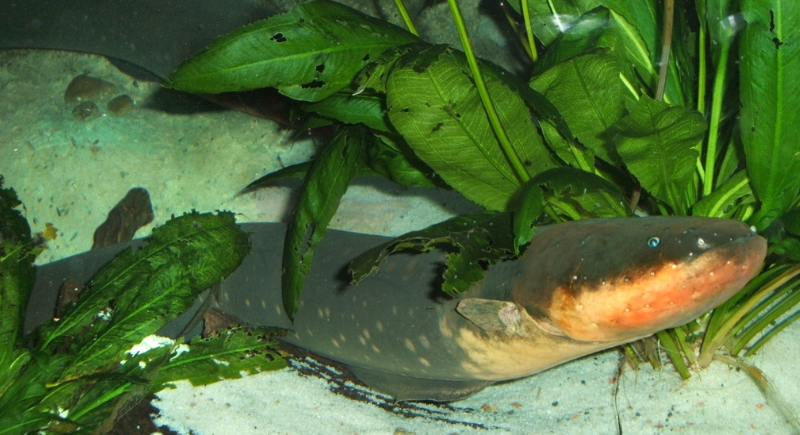
Electric Eel
Credit: Wikimedia Commons
Beyond simply stunning prey, electric eels can emit rapid-fire pulses that appear to manipulate multiple organisms simultaneously. Recent studies suggest they may generate synchronized fields that disrupt nervous systems across a small area. The exact method of coordinating this electrical control remains unclear, particularly when multiple targets are being controlled simultaneously.
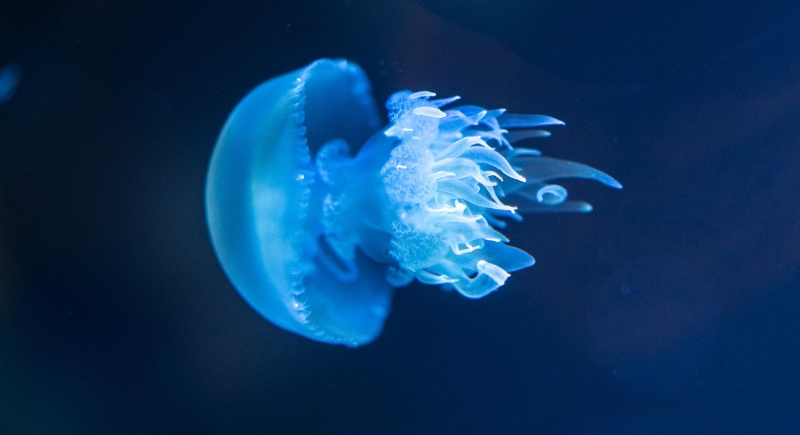
Jellyfish
Credit: pexels
Turritopsis dohrnii isn’t just long-lived. It can return to its immature stage and start again. The process resembles transdifferentiation, where cells shift their identities, but the trigger behind this biological transformation is still uncertain. Some suspect that stress plays a role, but what triggers it remains a blank spot in aging research.
Pigeons

Credit: Canva
Homing pigeons have been released hundreds of miles away in unfamiliar regions, and still manage to fly back. They might be using the sun, magnetic fields, or even scent trails. But when familiar cues disappear, their ability to realign and reorient without known reference points remains a scientific puzzle.
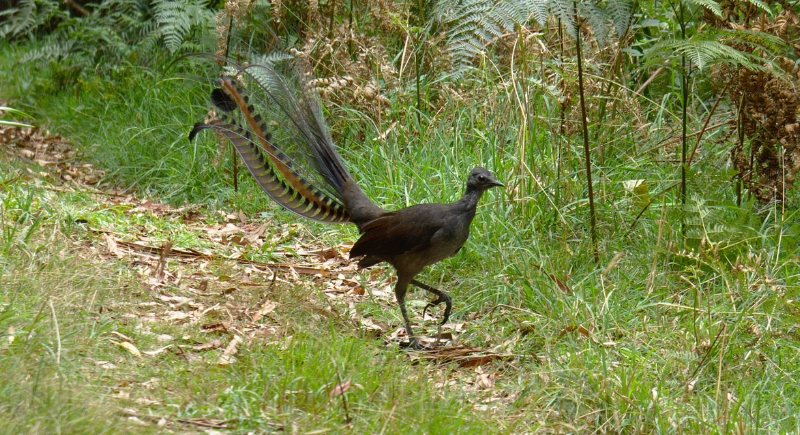
Lyrebird
Credit: Wikimedia Commons
This Australian bird doesn’t just copy other species. It replicates artificial noises, such as camera shutters and power tools. While its anatomy can explain the range of sound production, the reason it mimics manmade sounds in remote habitats remains unresolved. The learning mechanism and purpose of this behavior are still under debate.
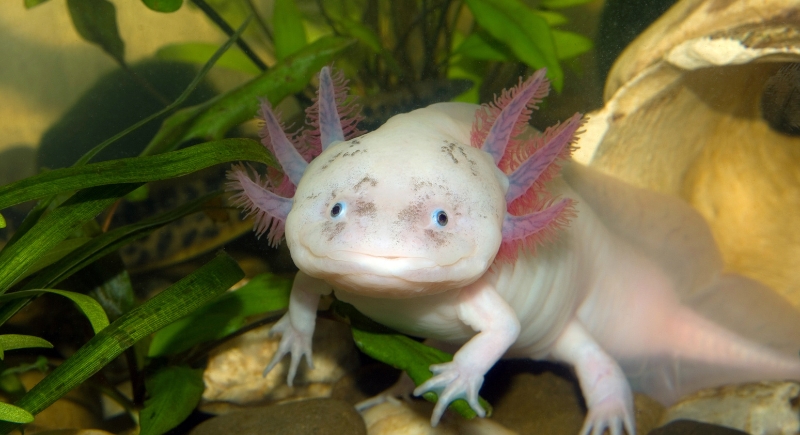
Axolotl
Credit: Getty Images
Axolotls can fully regenerate lost limbs and even portions of their central nervous system. This includes complex tissues like the spinal cord and parts of the brain. While scientists have observed the steps of regeneration, the signaling pathways that guide this level of anatomical reconstruction are not fully understood.
Dolphins
Credit: Getty Images
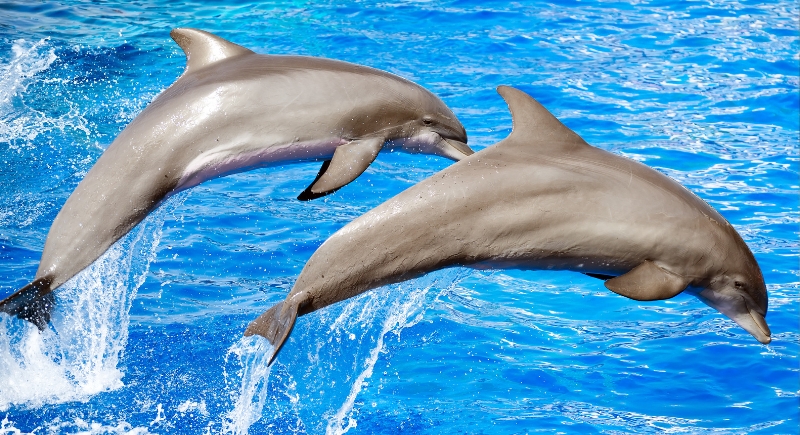
In both wild and captive settings, dolphins blow circular bubbles underwater and interact with them through coordinated movements. The behavior shows signs of social play and fine motor control, but its evolutionary function is unknown. No direct link between survival, reproduction, or communication has been demonstrated in studies to date.
Cuckoo Chicks
Credit: Wikimedia Commons
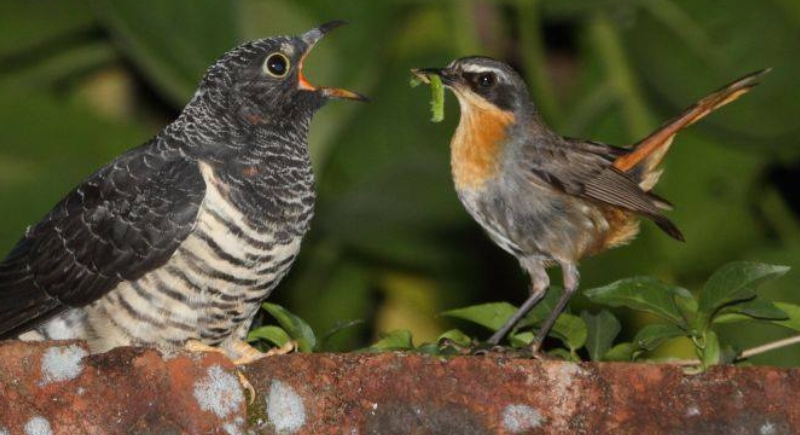
Even though completely different bird species raise cuckoo chicks, they somehow migrate along species-specific paths later on. There are no adult cuckoos around to teach them. The guidance must be internal, possibly genetic, but how such detailed maps are stored and accessed is still a major unknown in bird behavior research.
Whales
Credit: Getty Images
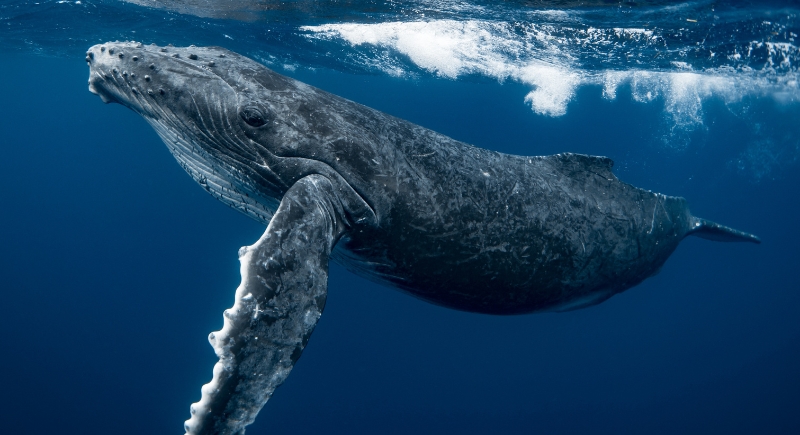
Entire pods of whales have been found beached together, often with no sign of illness or injury. Theories point to sonar disruption, magnetic anomalies, or even toxins. Still, strandings happen in areas with no human interference too, and the inconsistency across cases has left experts without a reliable theory.
Crows
Credit: pexels
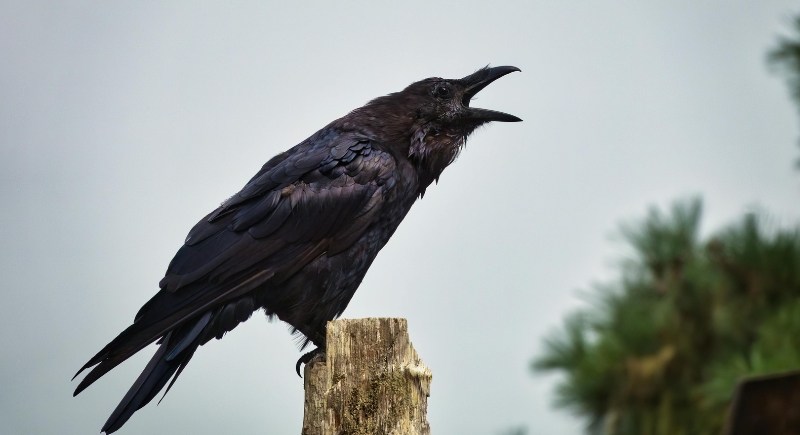
When a crow dies, others often gather and vocalize around the body, sometimes for hours. Researchers have linked this to learning about danger zones, but the repeated social behavior, across different crow populations hints at a deeper emotional or communal role that science hasn’t fully pinned down.
Mantis Shrimp
Credit: Getty Images
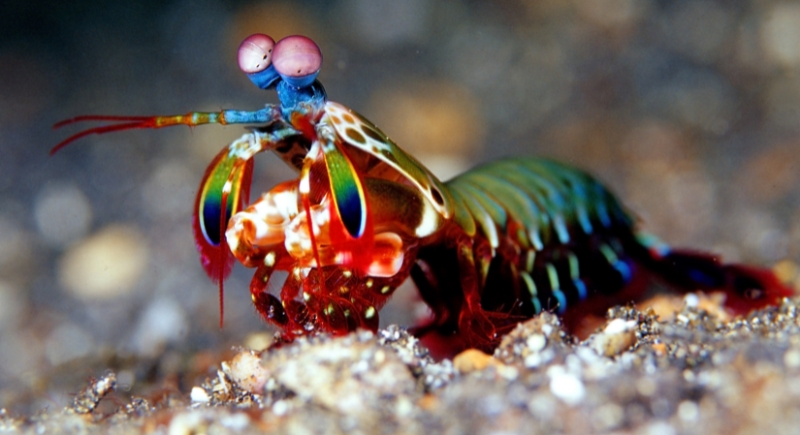
With up to 16 photoreceptor types, mantis shrimp detect light far beyond human perception, including polarized and ultraviolet wavelengths. What scientists still don’t understand is how the animal’s brain processes this level of visual input. The system’s complexity suggests uses beyond simple hunting or communication, but no complete model exists yet.