10 Baby Animal Names You Have Probably Never Heard
Most of us grow up knowing the basics. A baby cat is a kitten. A baby bear is a cub. Simple. But once you look beyond the usual animals, things get interesting fast. Some baby animal names sound made up, and a few are even more charming than the animals themselves. For example, a baby hedgehog has a tiny face and a name that surprises almost everyone. If someone put these on a trivia card, most people would miss more than a few.
The Hoglet

Credit: Canva
A baby hedgehog has been called a hoglet for decades, even though people used to refer to them as pups, piglets, and kits. Hoglets are born blind and deaf, with their iconic quills tucked safely beneath a fluid-filled membrane so they don’t hurt the mother during birth. That membrane dries within hours, and the tiny spines harden shortly. There can be up to seven hoglets in a litter, and they’re fully weaned by around eight weeks old.
The Porcupette
Credit: Canva
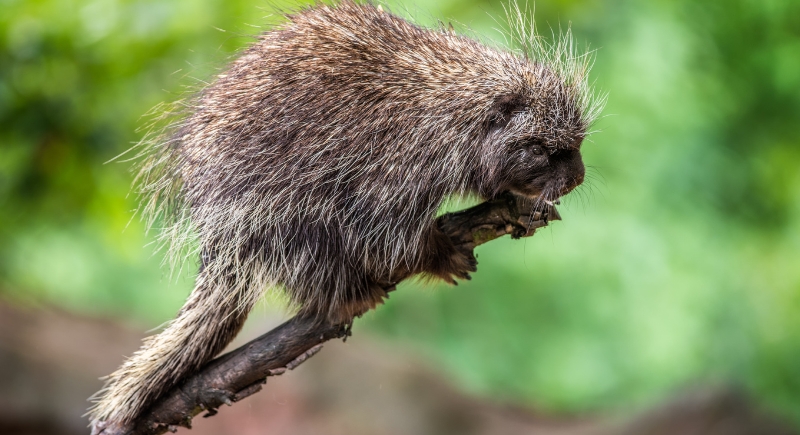
If “porcupette” sounds like a made-up word, that’s a fair reaction, but it’s the real name for a baby porcupine. Porcupettes are born with soft, rubbery quills that harden within minutes of hitting the air. They also arrive with their eyes open, which is unusual for rodents. By the time a porcupette is just a few days old, those quills are firm enough to do damage to a curious predator.
The Puggle

Credit: pexels
Baby echidnas are already unique, being one of the only egg-laying mammals on Earth. A biologist coined the name “puggles” in the early 1990s after noticing a resemblance to Puggle bean bag toys. After hatching inside the mother’s pouch, a puggle spends about seven months nursing through specialized patches of skin, since echidnas don’t have nipples. By the time a puggle ventures out, it’s an ant-eating oddity in the making.
The Eyas

Credit: Wikimedia Commons
Centuries ago, Middle English speakers used the word “neias,” borrowed from Old French niais, meaning “fresh from the nest,” to describe a young hawk. People kept mishearing “a neias” as “an eias,” and eventually the leading N just disappeared. That linguistic accident gave falconers the word they still use today. Raising an eyas correctly is called imprinting and takes months to ensure that it views humans as caretakers rather than as members of its own species.
The Leveret

Credit: Getty Images
Baby hares are called leverets, a word that traces back to the Old French “levre.” What makes leverets remarkable, apart from their unique name, is the parenting strategy. Mother hares leave their leverets almost immediately after birth, returning only briefly at dusk to nurse. The deliberate tactic is to avoid leading predators to the babies. Leverets are born with fur and open eyes, while closely related baby rabbits are born hairless.
The Cria

Credit: Getty Images
Llamas and alpacas both give birth to crias, a name borrowed from the Spanish word “criar,” meaning to bring up or nurse. That Spanish word traces back to the Latin “creare,” meaning “to create” or “to birth.” Spanish explorers picked up the term partly because llamas make sounds that reportedly resemble those of human babies. A cria can stand within 90 minutes of birth and is considered fully weaned around six to eight months.
The Squeaker
Credit: Canva
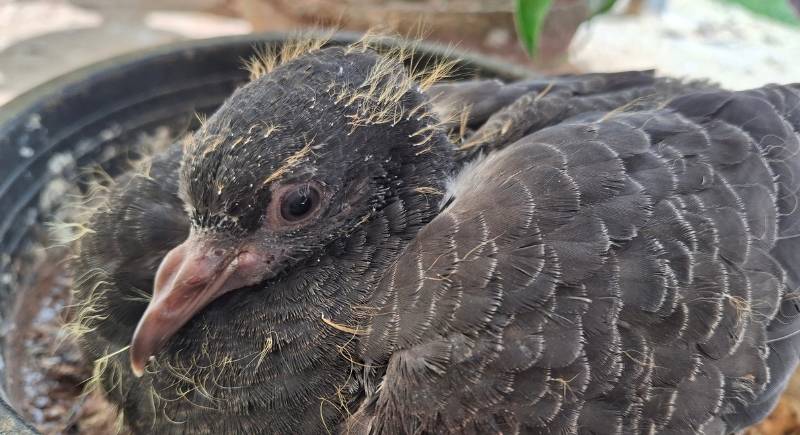
Baby pigeons are called squabs, which is correct. Once a squab is around 4 weeks old, it earns a second name, “squeaker,” thanks to the sounds it makes while begging for food. Squabs feed on a protein-rich secretion produced in the parent’s crop, which is unusual among birds. By the time they leave the nest, they’re nearly the same size as an adult, which is why most people hardly ever see a baby pigeon.
The Ephyra

Credit: Canva
Baby jellyfish have one of the most dramatic origin stories in the animal kingdom. A fertilized jellyfish egg becomes a polyp, which attaches to a coral reef and eventually forms buds. Those buds break off as free-swimming juvenile jellyfish called ephyrae. The name comes from ancient Greece, where Ephyra was both a sea nymph and an old name for the city of Corinth.
The Chulengo
Credit: Wikimedia Commons
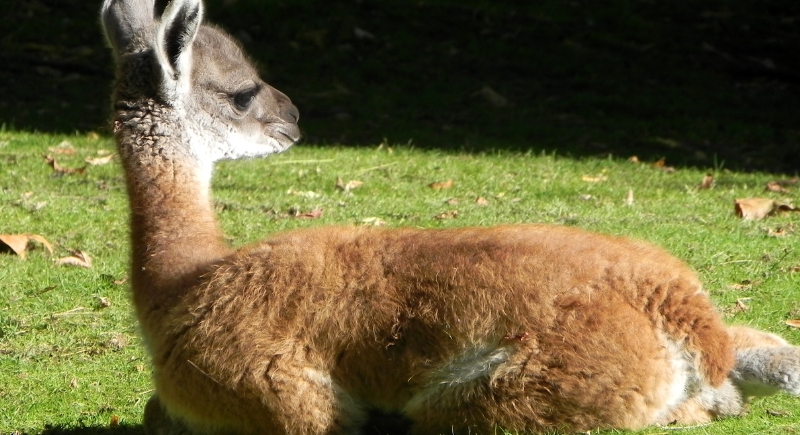
Most people know llamas and alpacas, but their wild cousin, the guanaco, isn’t as popular. Their babies, called a chulengo, get even less. The name comes from “Quechua,” the language of the Inca. They can walk within 5 minutes of birth, which is impressive given that their mother carries them for almost a year. Sadly, not many chulengos survive to adulthood, mostly because of pumas.
The Weaner
Credit: pixabay
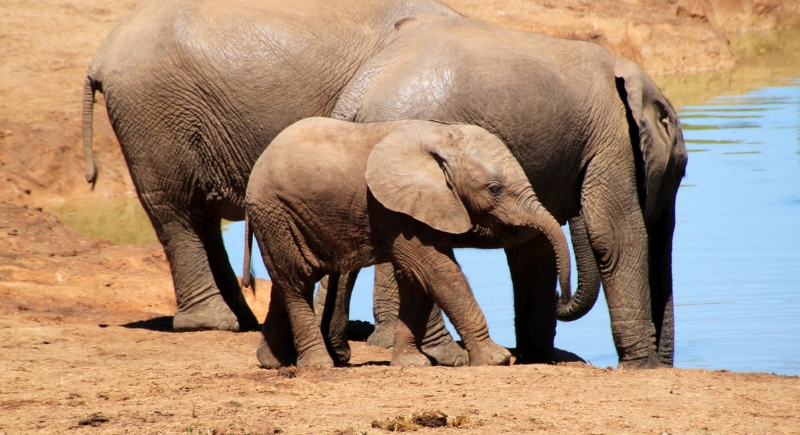
Baby elephant seals are called weaners, referring to how abruptly they are weaned. Northern elephant seal mothers nurse their pups for only about 28 days, during which a pup can gain up to 10 pounds per day on fat-rich milk. Once the mother leaves, the weaner is on its own, surviving on fat reserves for weeks while it figures out how to swim and hunt.