Hippo Facts You Likely Did Not Learn in School
Most people remember hippos from school as huge animals that spend much of their time in rivers. That simple image leaves out many surprising details about how they actually live. Researchers who study hippos have uncovered unusual behaviors and biological traits that rarely appear in textbooks. These lesser-known facts help explain how these massive animals survive and interact in African rivers in ways many people never hear about.
Hippos Are Closely Related To Whales
Credit: Canva
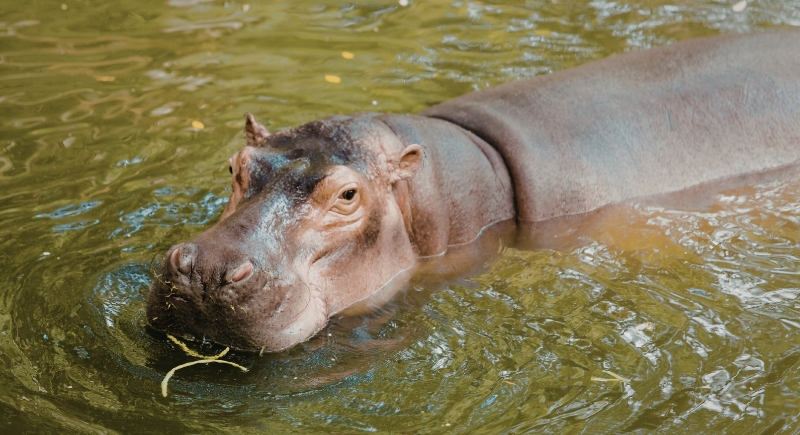
Hippos seem like oversized pigs that spend time in rivers, yet their closest living relatives swim in the ocean. Genetic research links hippos to whales, dolphins, and porpoises through a shared ancestor that lived around 60 million years ago. Paleontologists connect both groups to ancient animals called anthracotheres.
Hippos Produce Their Own Sunscreen
Credit: Canva
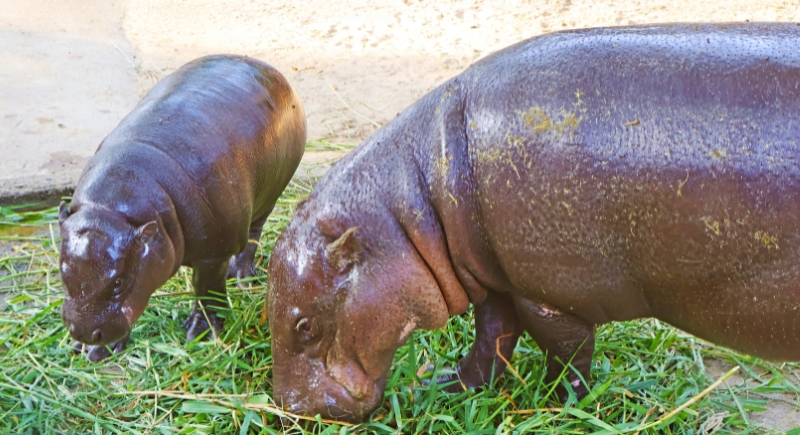
A hippo’s skin releases a clear oily liquid that gradually turns reddish after exposure to air. Researchers discovered that the secretion works as a natural sunscreen and moisturizer. It helps block ultraviolet radiation and limits bacterial growth on the skin. This chemical protection allows hippos to spend long hours under the intense African sun.
Hippos Cannot Actually Swim
Credit: Canva
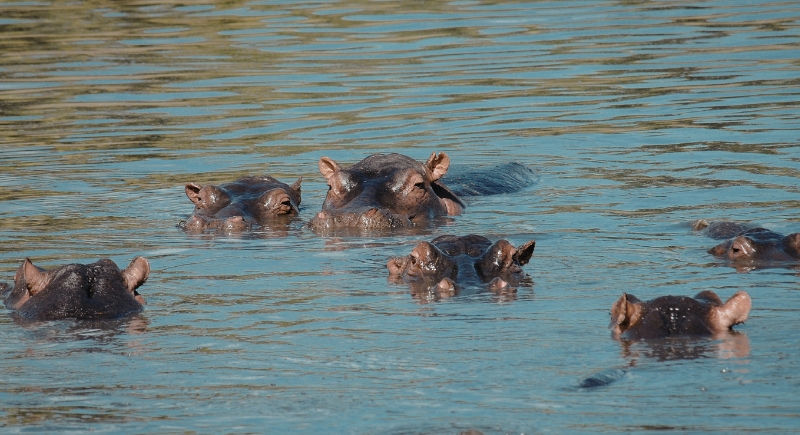
Water plays a major role in a hippo’s daily routine, yet swimming is not part of that routine. Their bodies are far too dense to float like most aquatic animals. Instead of paddling, hippos move by pushing along the riverbed. They walk, bounce, or glide across the bottom in slow steps.
They Sleep Underwater Without Waking Up
Credit: Getty Images
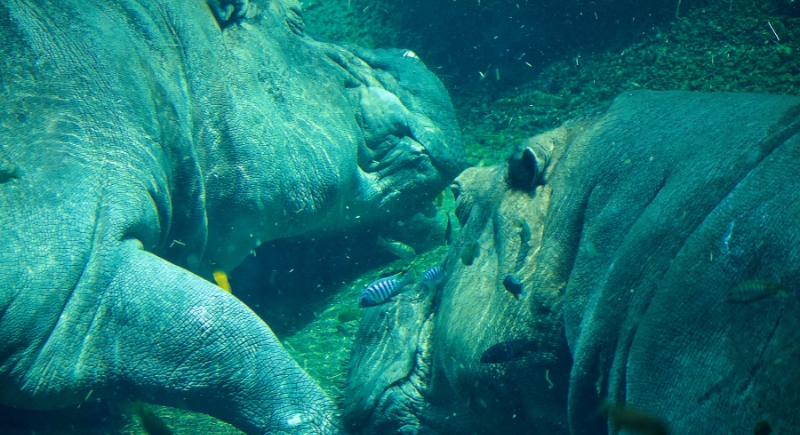
Hippos spend a large portion of their day resting in water. A remarkable reflex allows them to sleep while submerged. Their bodies automatically rise to the surface for air and sink again without waking. The process keeps hippos rested while allowing them to remain protected in their watery environment.
Hippos Communicate Through Honks And Grunts
Credit: pixabay
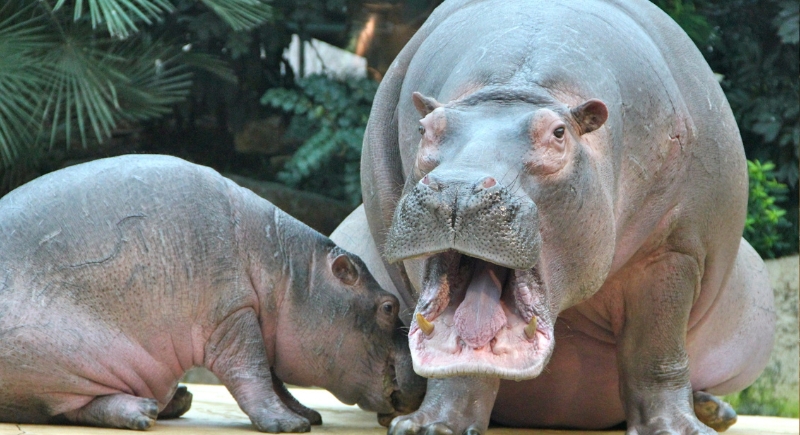
A river full of hippos can sound surprisingly noisy. These animals communicate using deep honks and grunts that carry across water. Sound travels efficiently over rivers, which helps members of a group keep track of one another. Vocal calls signal territory, warn rivals, or maintain contact between mothers and calves.
A Hippo’s Open Mouth Is Usually A Warning
Credit: pixabay
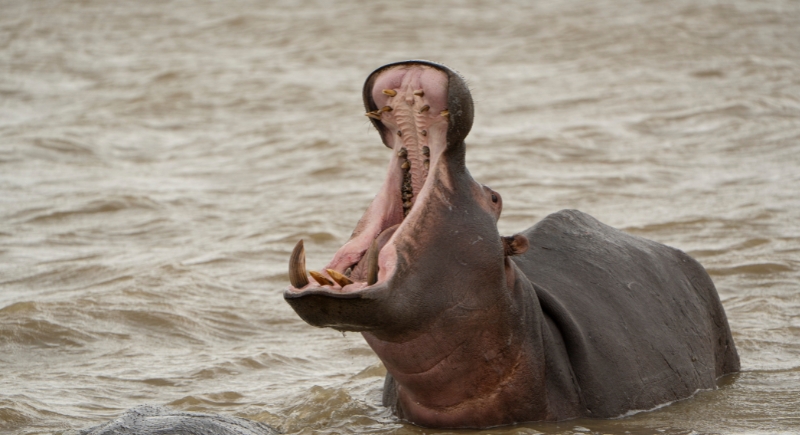
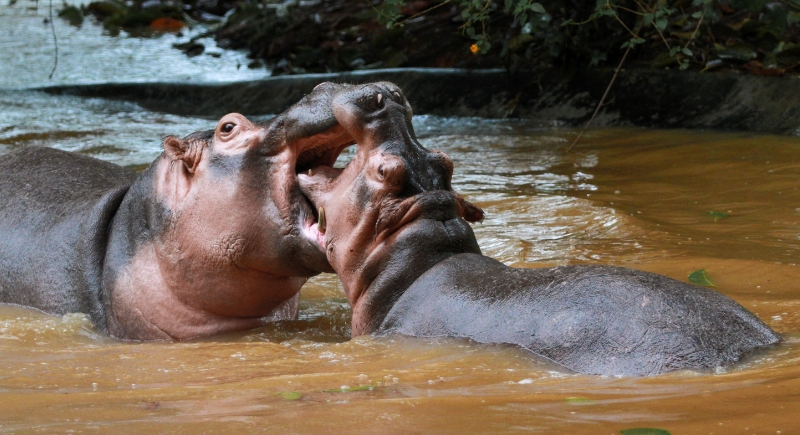
Visitors often interpret a wide hippo yawn as a relaxed gesture. The display usually sends a very different message. When a hippo opens its mouth to show massive canine teeth, it often signals aggression or territorial defense. These teeth grow more than a foot long in large males. The dramatic display warns nearby animals to keep their distance.
Hippos Spend Nights Eating Grass
Credit: Getty Images
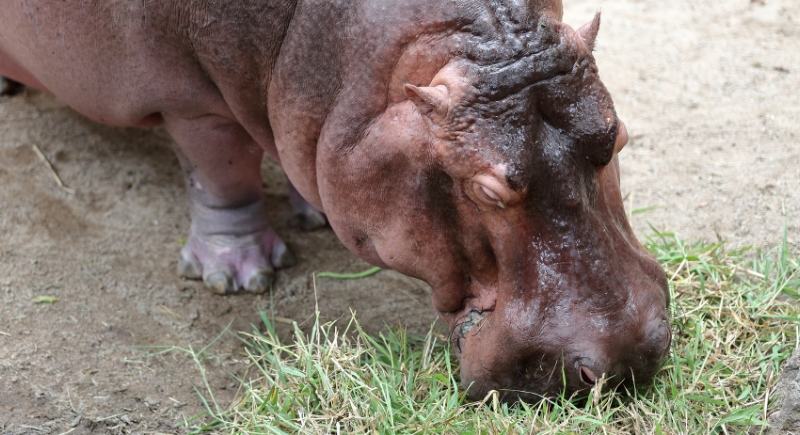
During daylight hours, hippos remain in water to keep their skin protected. Evening brings a change in routine. Groups leave rivers after sunset and travel onto land to feed. A hippo may wander several miles in a single night while grazing. Their muscular lips pull grass from the ground efficiently.
Hippos Recognize Neighbors By Smell
Credit: pexels
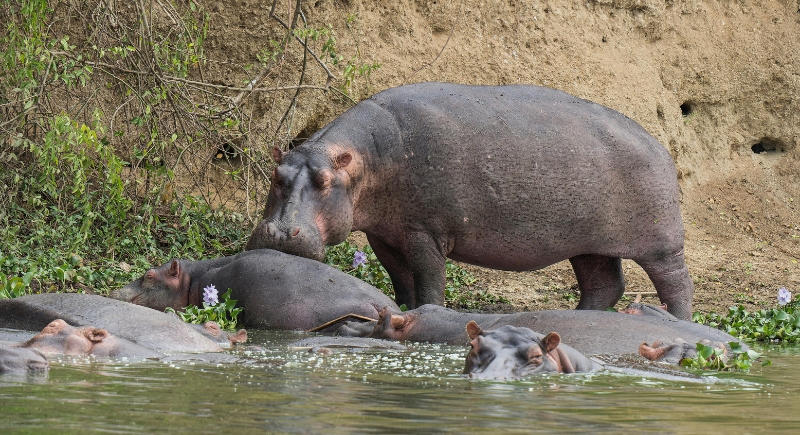
Hippos rely heavily on scent when identifying individuals nearby. Animals repeatedly deposit waste in the same spots along riverbanks, and the smell provides useful information about which hippos have passed through. A familiar scent signals a known neighbor. A new odor can trigger defensive behavior from territorial males guarding their stretch of water.
Hippos Shape The Ecosystem Around Them
Credit: pexels
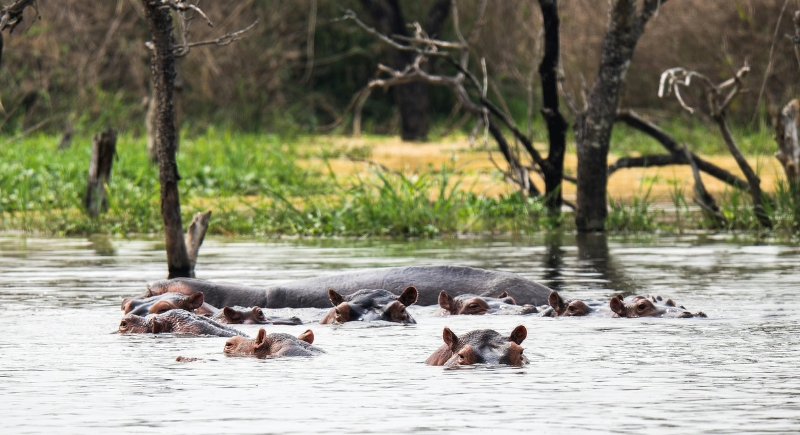
The heavy bodies of hippos leave lasting marks on the landscape. Daily paths between water and feeding grounds form natural trails through vegetation. These routes can later guide smaller animals to water sources. Nutrients from hippo waste also enrich river systems and support fish populations. Ecologists often describe hippos as ecosystem engineers because their habits influence many species.
Hippos Rank Among Africa’s Most Dangerous Animals
Credit: pexels
Their bulky shape may suggest a slow animal, but hippos can move with surprising speed and aggression when threatened. Wildlife experts regularly warn that hippos cause more human fatalities in Africa than many large predators. Territorial males react strongly to boats or people entering their water.