10 Pet Toys from the Past That Were Hilariously Unsafe
If you walk into a pet store in 2026, the aisles are packed with BPA-free puzzle feeders, organic dental rings, and toys made from recycled ocean plastic. We live in an era of precision, where we measure kibble to the gram and schedule comprehensive wellness exams to catch health shifts before they start. But if you rewind a few decades, the world of pet ownership looked more like a chaotic experiment.
Safety standards were practically nonexistent, and “pet-friendly” usually just meant it hadn’t broken yet. Looking back at the items we used to toss to our dogs and cats, it is a minor miracle our childhood companions survived the 20th century.
The Lead-Laced Hand-Me-Down
Credit: WION
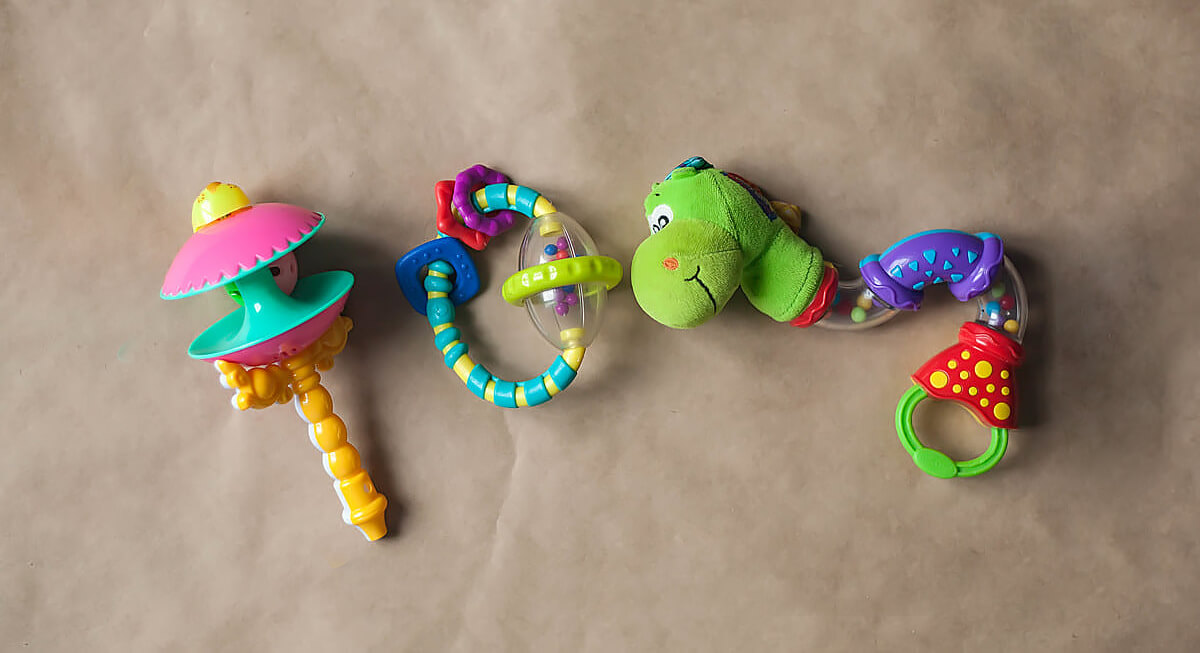
In the 1970s and 1980s, the most common dog toy was a box of plastic figurines the kids had outgrown. It felt like a smart way to recycle. Many of those vintage non-vinyl toys contained high levels of lead and cadmium. Giving a dog a 1974 “Little People” figure to chew on meant they were gnawing on a concentrated neurotoxin while the paint chipped away in their mouths.
Dental Sandpaper Known as the Tennis Ball

Credit: pexels
For forty years, the yellow tennis ball was used to play fetch. It was cheap, it bounced, and every dog loved it. What owners did not realize was that the fibrous felt covering acts as a magnet for sand and dirt. When a dog chomps on that ball, the felt turns into high-grit sandpaper that wears down tooth enamel to the sensitive pulp.
Heavy Metal Hazards for Birds
Credit: Reddit
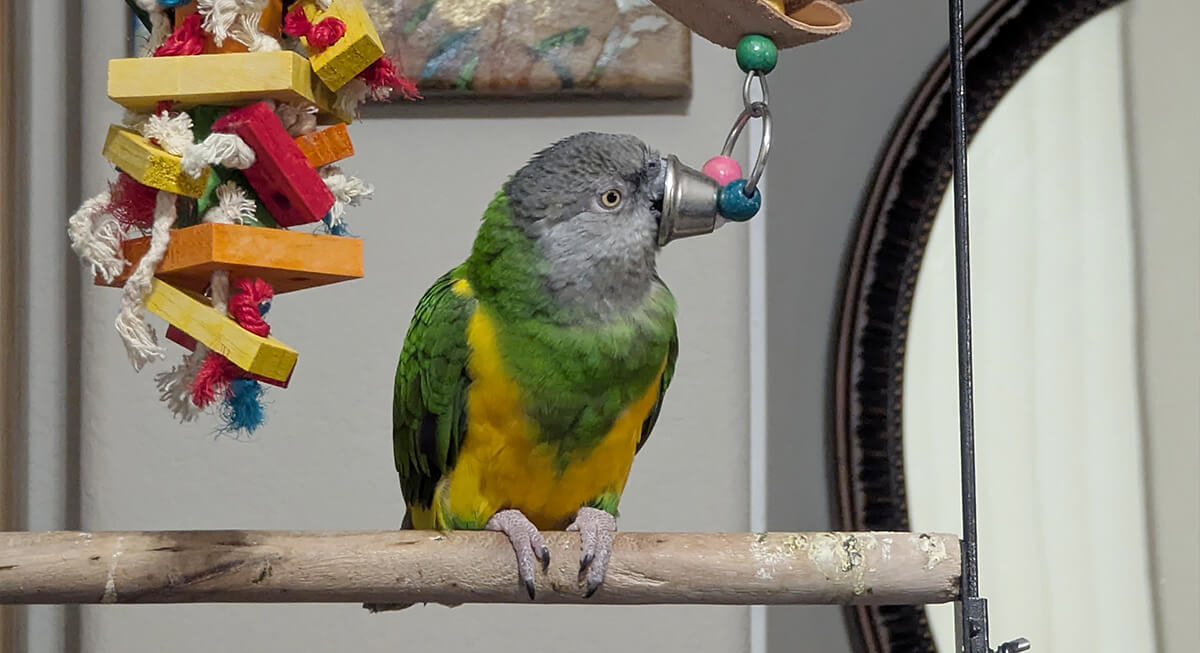
Vintage bird cages and play gyms often prioritized aesthetics over biology. Many featured bells with lead or zinc clappers. Since parrots explore the world almost entirely through their beaks, these bells were a primary focus of their attention. Swallowing those small, toxic metal parts often led to heavy metal poisoning.
Phthalate-Filled Poison Plastics

Credit: pexels
The satisfying squish of a 1980s vinyl squeaky toy was the result of a chemical cocktail. Before regulations tightened in 2009, these toys were loaded with phthalates to maintain flexibility. As the plastic aged and cracked under the pressure of chewing, it released these hormone-disrupting chemicals directly into the pet’s saliva.
The Backyard Stick

Credit: pexels
The stick is the quintessential “natural” toy, found in every stereotypical movie about dogs. However, modern veterinary data shows that a stick is effectively just a splintering spear. When a dog catches or chews a dry branch, it can shatter into jagged shards that puncture the soft palate, lodge in the throat, or cause deep infections. It’s basically a primitive weapon.
Galvanized Hardware for Small Pets
Credit: pexels
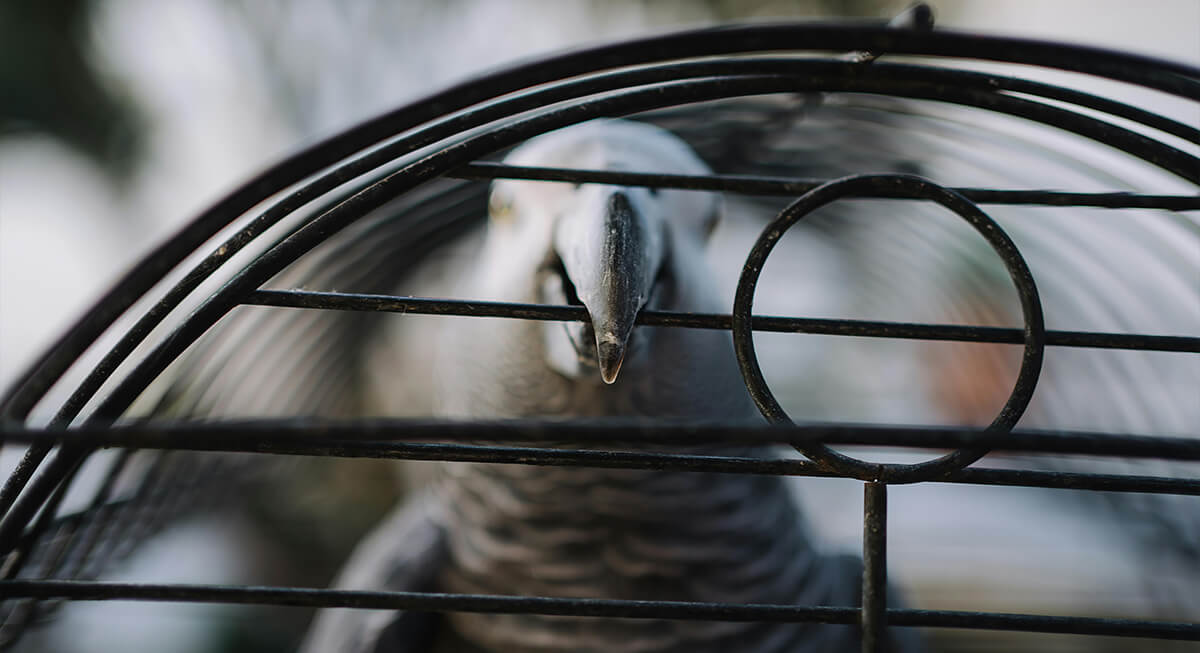
Hot-dipped galvanized coating was once the industry standard for pet hardware because it prevented rust. Unfortunately, that coating is comprised almost entirely of zinc. If a bird or a small mammal decided to chew on a metal toy attachment, they were ingesting a substance that could cause severe damage to their liver and kidneys over time.
The Unsecured Lithium Laser Pointer
Credit: Reddit
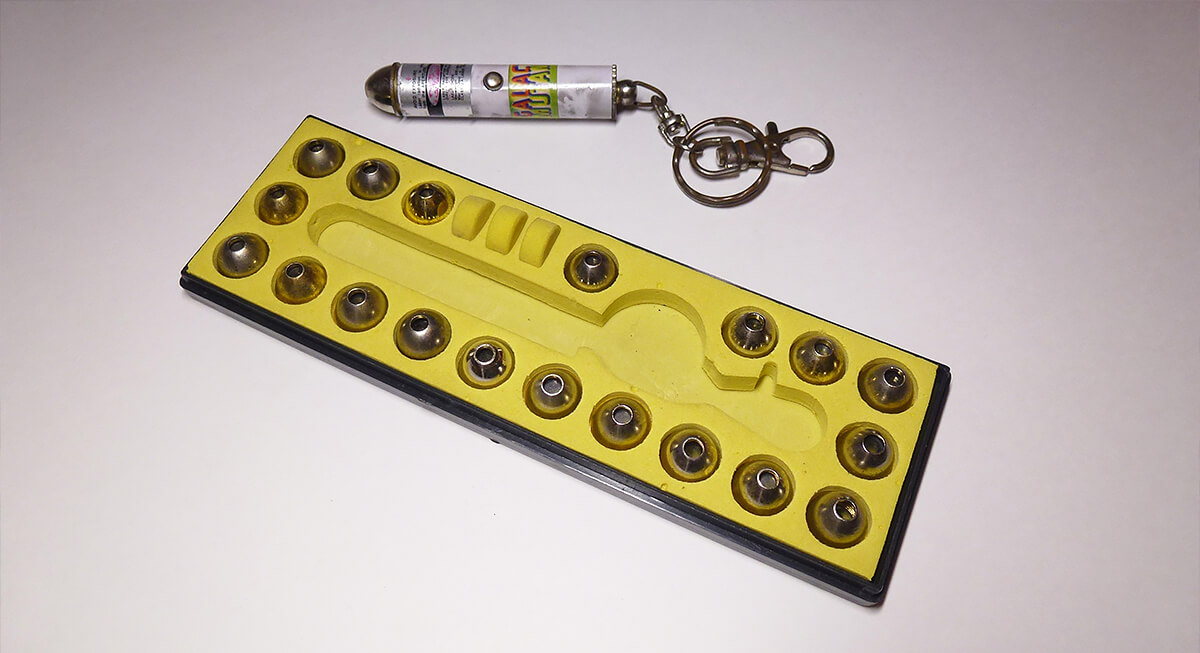
Early pet lasers were a revolution for exercise, but the hardware was frequently flawed. Unlike modern versions that require a tool to access the battery, older models often featured simple pop-off backs. A persistent cat or a chewing dog could easily expose the lithium button batteries inside. These tiny discs can burn through an esophagus in less than two hours.
Formaldehyde-Soaked Rawhide Knots

Credit: Wikimedia Commons
Historically, rawhide was treated as a byproduct of the leather industry rather than a food item. To keep those bones white and shelf-stable, manufacturers often bathed them in bleach and formaldehyde. One time, a dog swallowed a large piece of rawhide, which did not digest easily; instead, it swelled into a slimy, leather-like plug that caused massive intestinal blockages.
Cat Tinsel
Credit: Reddit
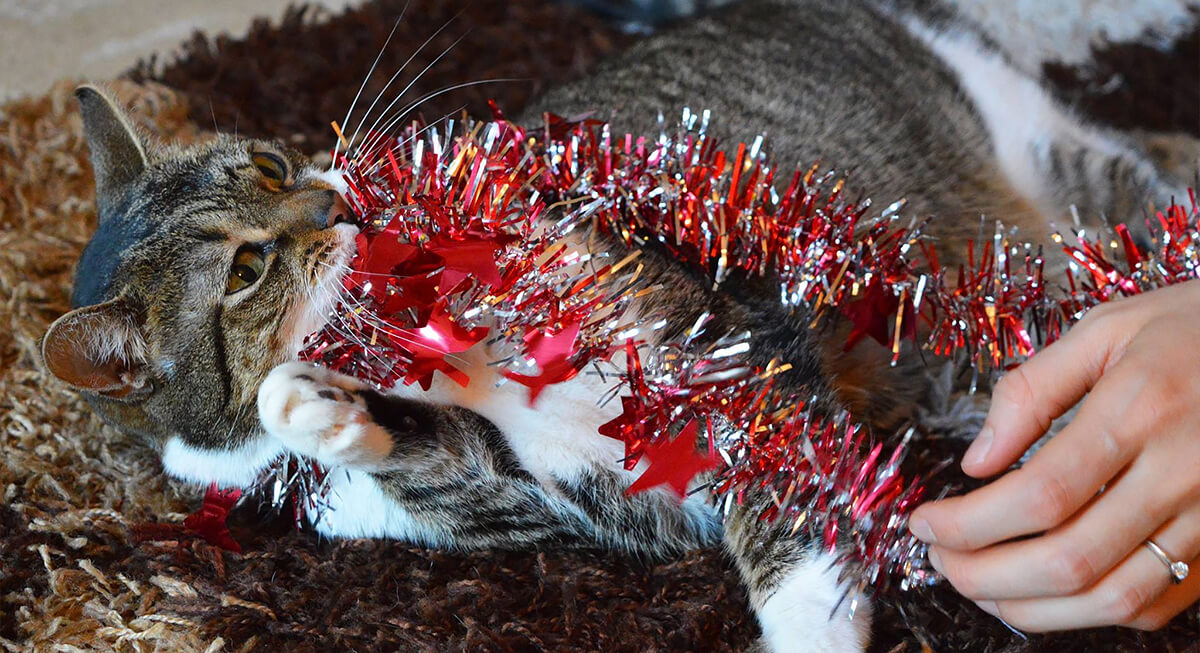
Retro sparkle balls and tinsel-covered cat toys were a holiday staple for decades. The problem was that the tinsel was rarely secured to the core of the toy. When a cat ingests a piece of tinsel, one end of the string gets caught in the digestive tract while the rest tries to move through, effectively sawing against the intestinal walls. Those festive sparkles resulted in countless emergency surgeries.
The Single-Hole Vacuum Ball
Credit: Reddit
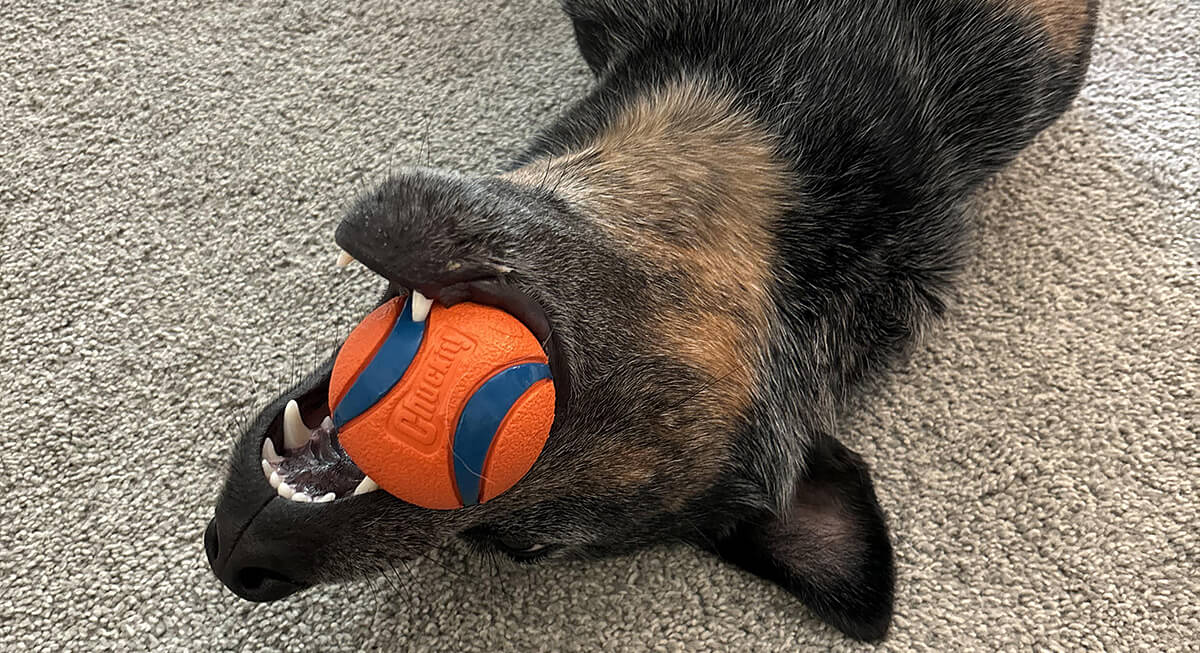
Old-school solid rubber balls often featured only one ventilation hole. This seemed like a minor design choice until a dog’s tongue or lip got caught in that single opening. The resulting vacuum seal was so strong that it could cut off blood flow entirely, causing permanent tissue death. Modern pet balls now feature at least two holes to break that suction.