Animals With the Most Unserious Names on Earth
Most animals end up with names that sound perfectly normal to us because we’ve heard them forever. But if you stop and think about it, some of them are honestly ridiculous. Imagine meeting someone called Banana because they’re skinny, or Sleeper because they spend half the day napping. That is basically how a lot of animals got their names too. People noticed one odd habit, body feature, or expression and ran with it. Now we have a list of creatures with names that sound funny at first but actually fit them surprisingly well.
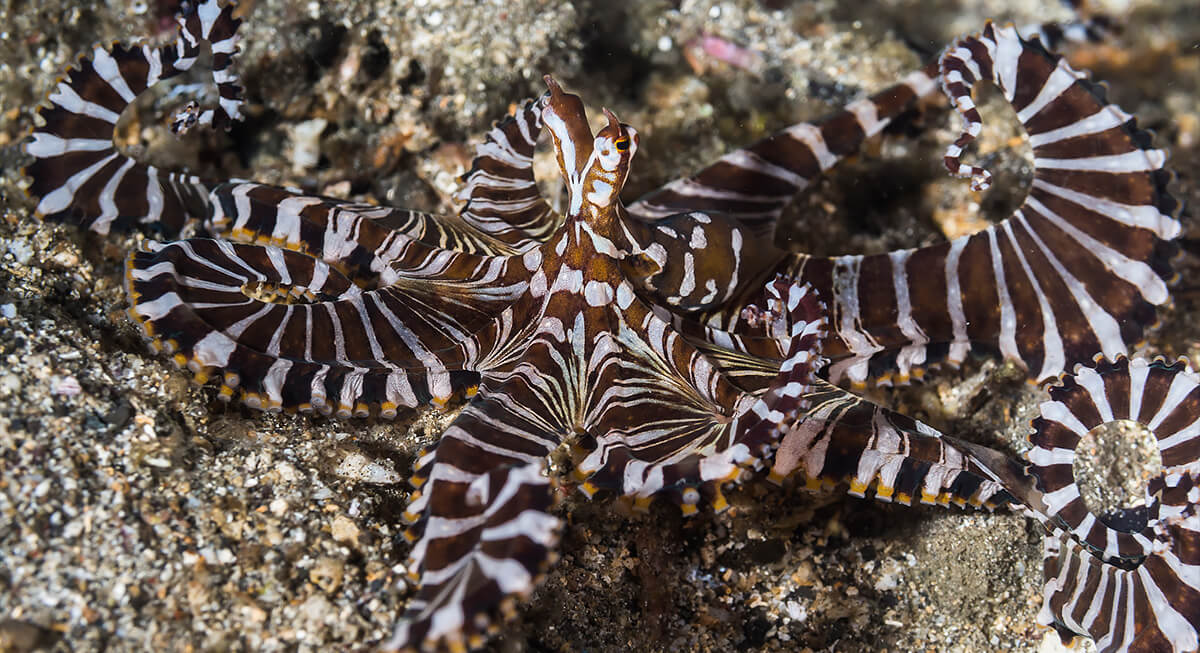
Wunderpus Photogenicus
Credit: Wikimedia Commons
The name wunderpus photogenicus combines a German word for wonder with octopus, then adds a reference to its appearance. This species displays rusty-brown skin with white markings that vary among individuals. It also changes shape and color to resemble other marine animals, which helps avoid predators in shallow waters across Indonesia, Malaysia, and nearby regions.
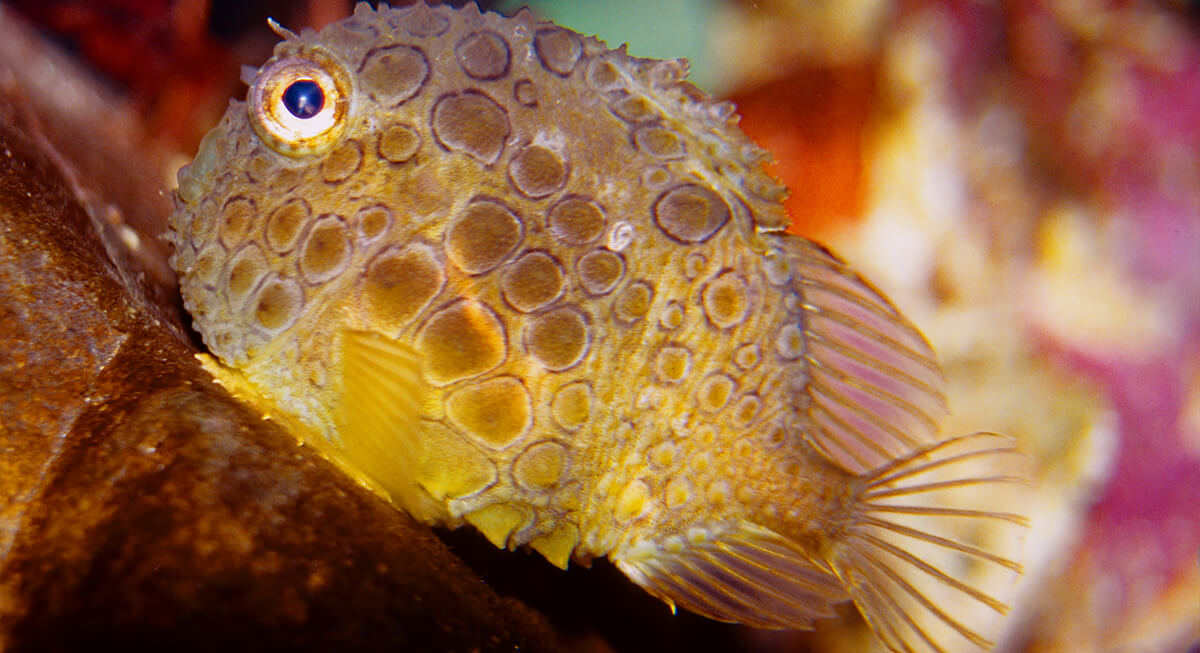
Spiny Lumpsucker
Credit: Wikimedia Commons
The Spiny lumpsucker sounds made up, but the name fits once you see the fish. Its body is small, round, and a little lumpy-looking, which explains the “lumpsucker” part. It also has a suction disc formed from its fins that lets it cling tightly to rocks instead of getting pushed around by strong ocean currents. The name may sound unserious, but it describes the animal surprisingly well.
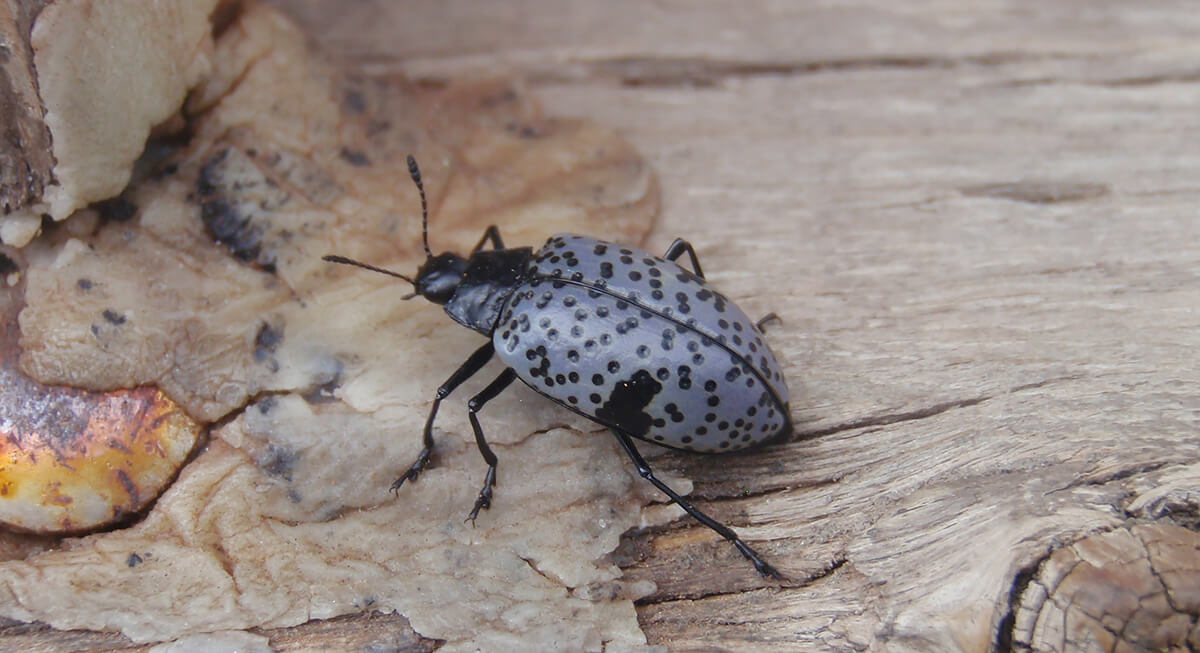
Pleasing Fungus Beetle
Credit: Wikimedia Commons
Early attempts to classify these insects led to the ‘pleasing fungus beetle,’ which shows both their diet and how they interact with humans. Scientists grouped them based on their habit of feeding on fungi found in forest environments. The term ‘pleasing’ was used because they are generally harmless and do not cause problems for humans.
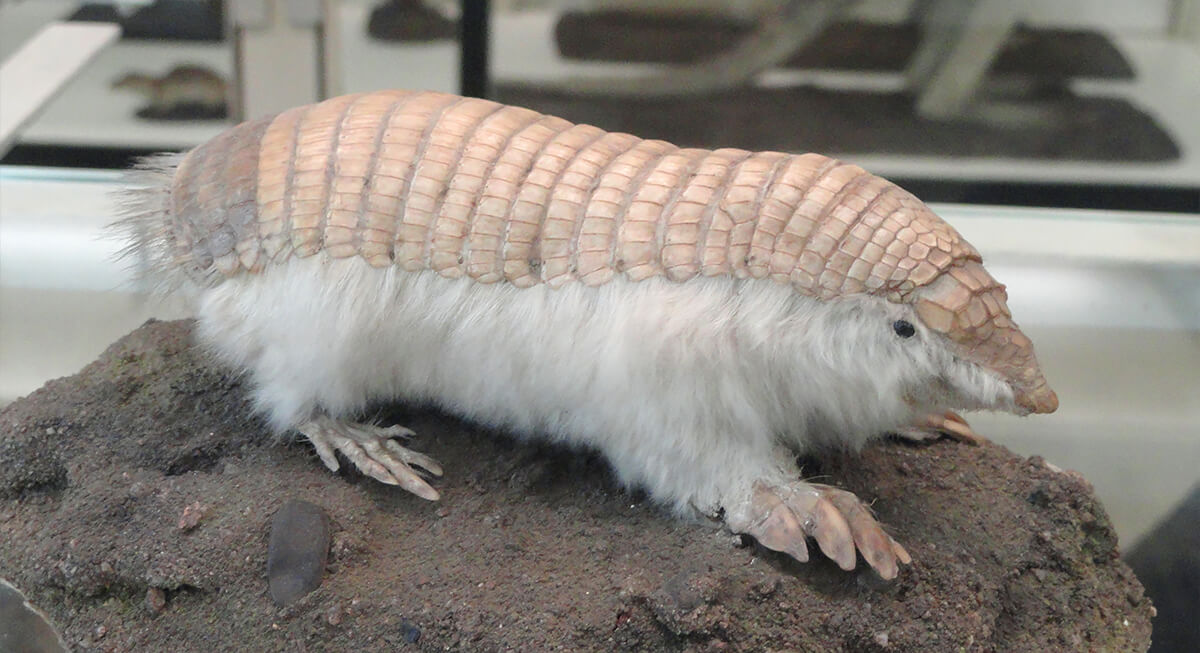
Pink Fairy Armadillo
Credit: Wikimedia Commons
When you think of an armadillo, the word ‘fairy’ is probably not the first thing that comes to mind. But there does exist a pink fairy armadillo known for its small size and pale pink shell. It measures only a few inches in length, which makes it the tiniest of its species. Researchers rarely encounter it, which limits the available information about its behavior and life cycle.
Rasberry Crazy Ant
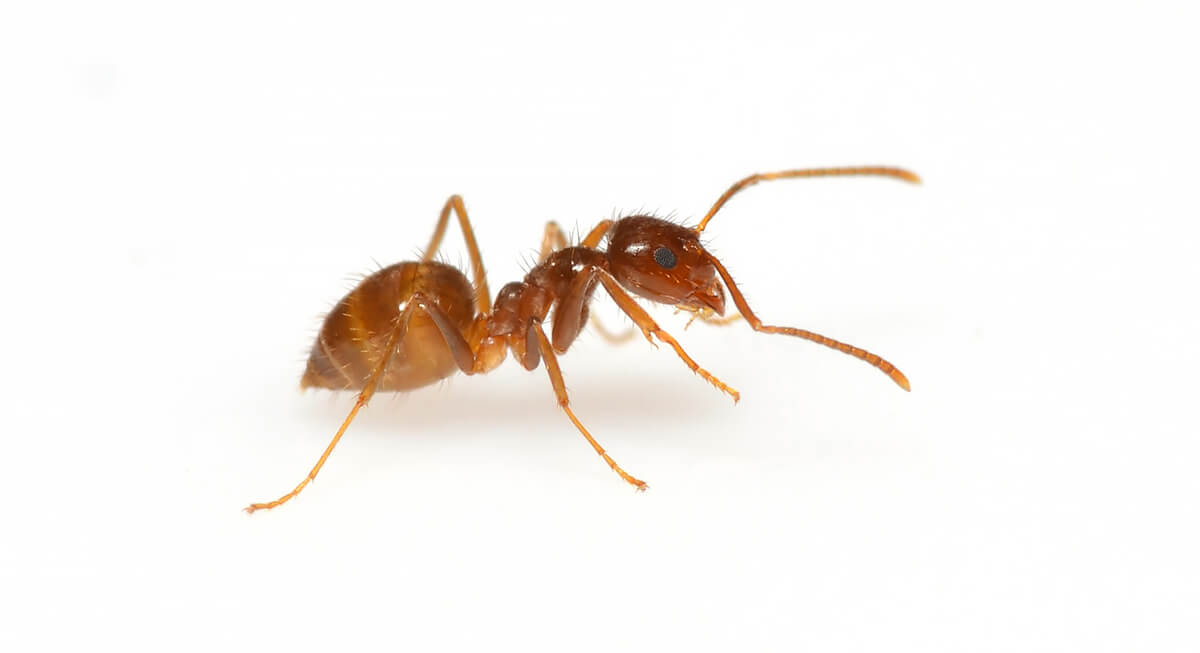
Credit: Wikimedia Commons
This particular insect has been the source of some confusion because its name suggests a link to a fruit. In reality, it honors a Texas exterminator, Tom Rasberry, who first noticed the species spreading in the region. Its movement pattern appears erratic, which explains the term ‘crazy.’
Satanic Leaf-Tailed Gecko
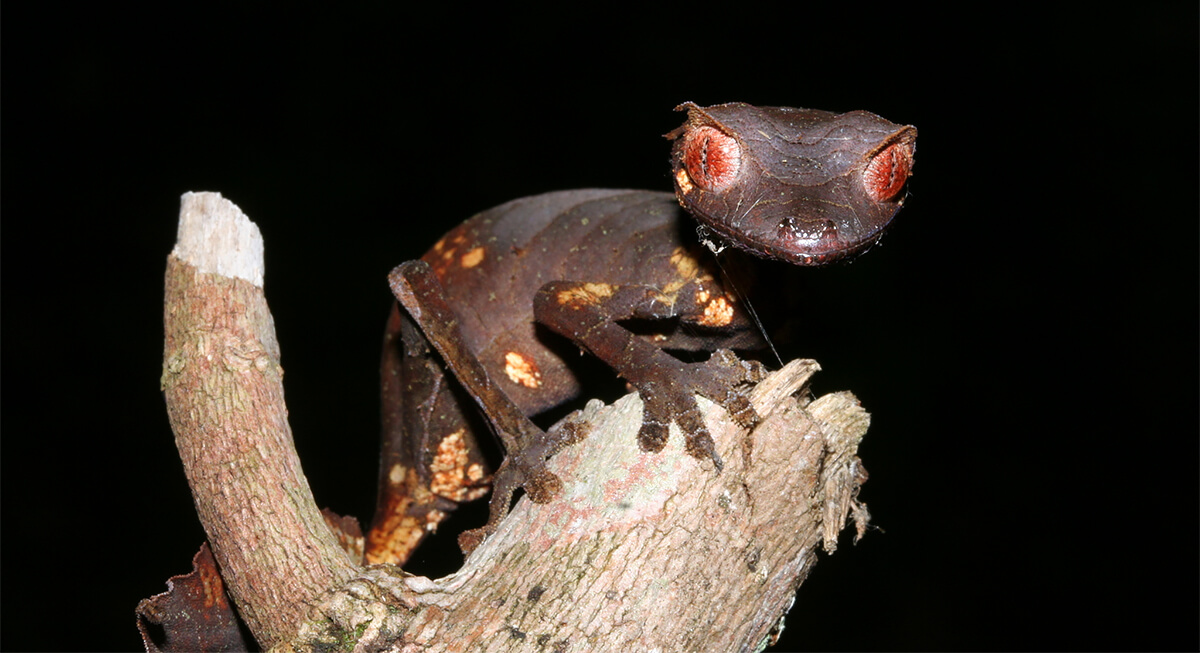
Credit: Wikimedia Commons
The Satanic leaf-tailed gecko earned a dramatic name, largely because of its appearance. Its sharp features, wide eyes, and curled tail give it a slightly eerie look at first glance. But the real standout detail is its camouflage. The flattened tail looks remarkably like a dead leaf, helping the gecko blend into the forests of Madagascar, where it spends its nights hunting insects like crickets and flies.
Tasselled Wobbegong
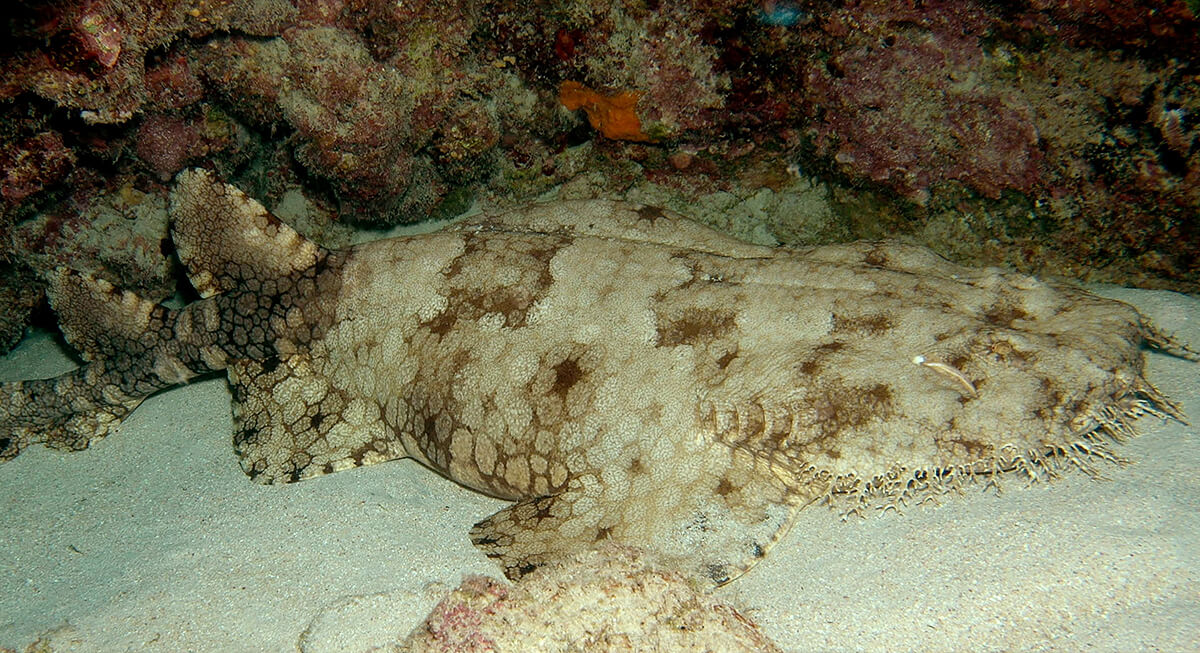
Credit: Wikimedia Commons
The Tasselled wobbegong has one of those names that barely sounds real, especially the “wobbegong” part. But the name comes from an Aboriginal word linked to its beard-like appearance. Around its mouth and head are small tassel-shaped lobes that look almost like loose fringe. Combined with the patterned body that blends into coral and sand, the shark becomes surprisingly difficult to spot on the ocean floor.
Hellbender
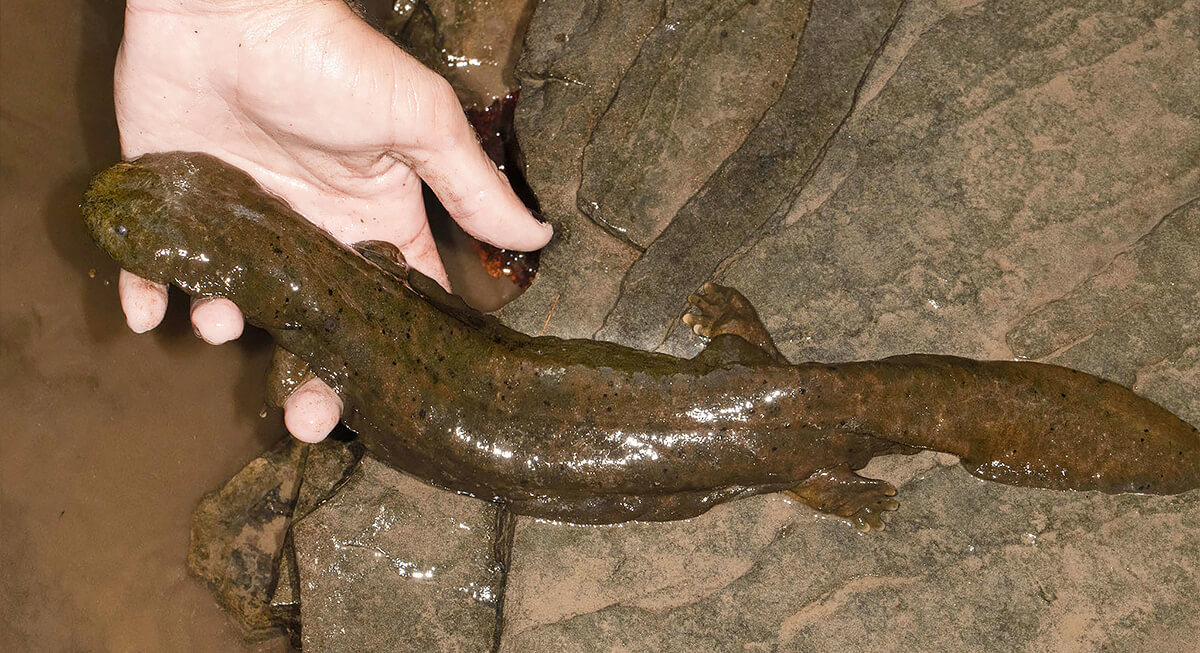
Credit: Wikimedia Commons
One of the reasons the hellbender is unique is that the term used to describe it contrasts sharply with its behavior. The amphibian spends much of its time hiding under rocks in fast-moving streams. It avoids attention rather than seeking it, and that makes people wonder about the origin of its name.
Chicken Turtle
Credit: Wikimedia Commons
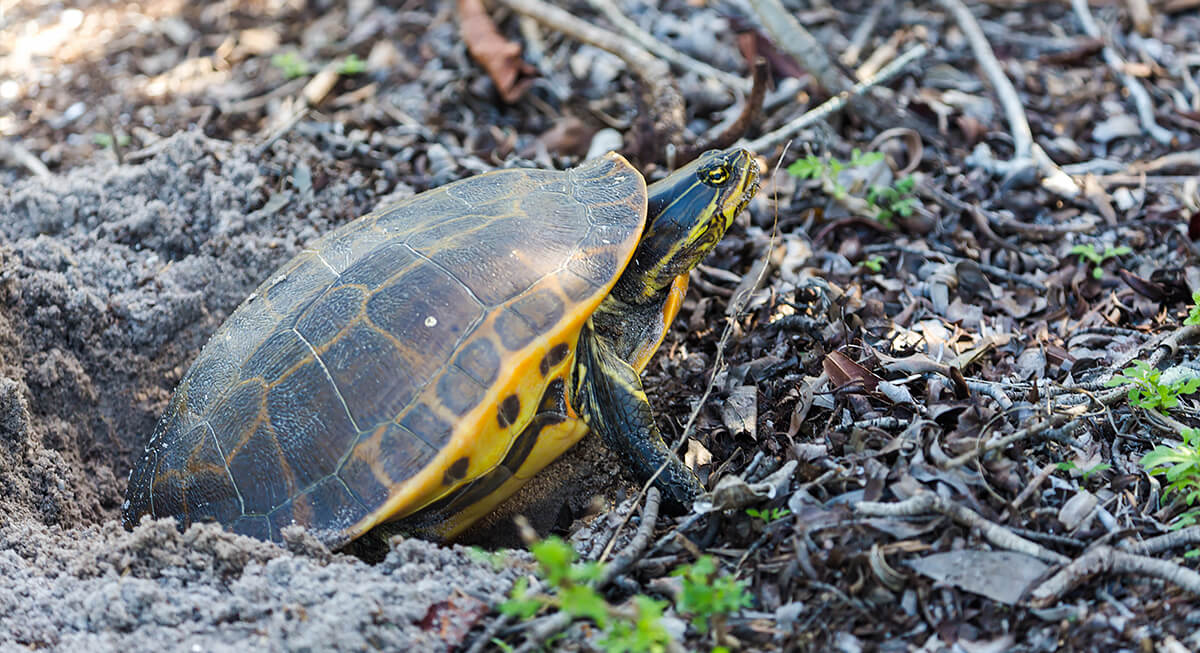
People once used this turtle as a food source in the southeastern United States, and its taste reminded them of chicken, which likely influenced its label. There is also another explanation that connects this title to its physical features, especially its long neck and patterned shell.
Star-Nosed Mole
Credit: Wikimedia Commons
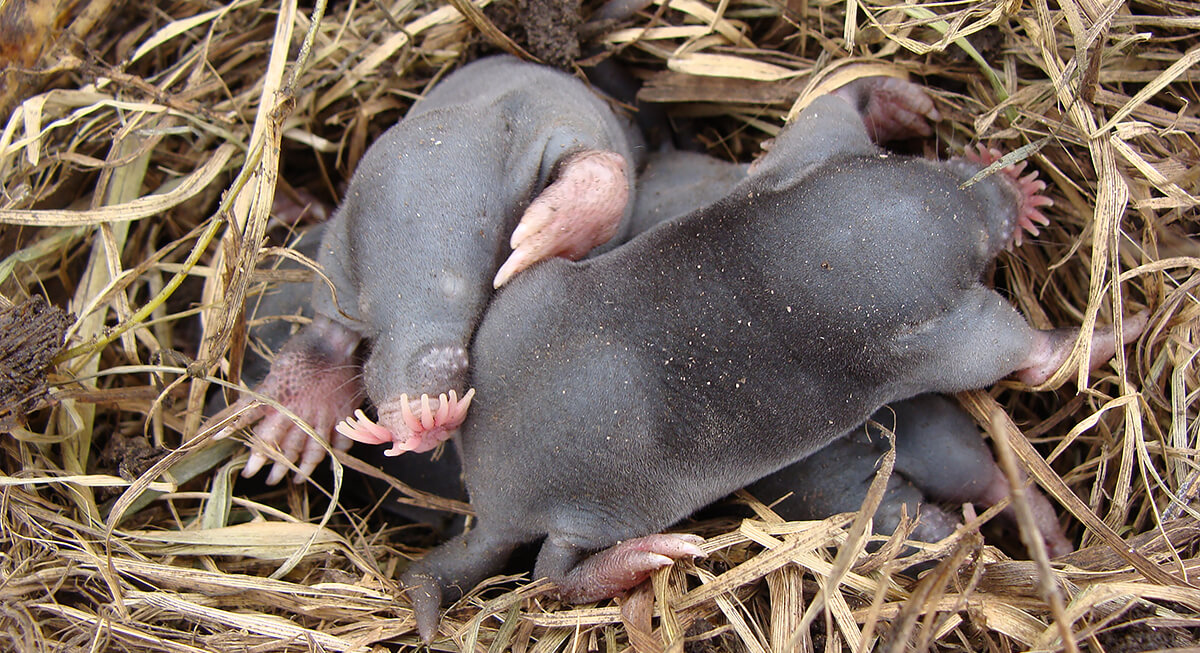
Once you see this creature, you will immediately understand why it is called the star-nosed mole. Its nose forms a distinct star shape, made up of twenty-two fleshy appendages that spread out across its face. Each appendage is covered with thousands of sensory receptors that allow it to detect food.