10 Unspoken Ways Cats Show They Need You
Cats get labeled as independent, but the truth is they rely on their people more than they let on. The difference is how they show it. Instead of obvious demands, cats use a few subtle behaviors that we’ve listed here. Once these signals are easy to spot, their need for connection becomes evident.
Slow Blinking
Credit: Getty Images
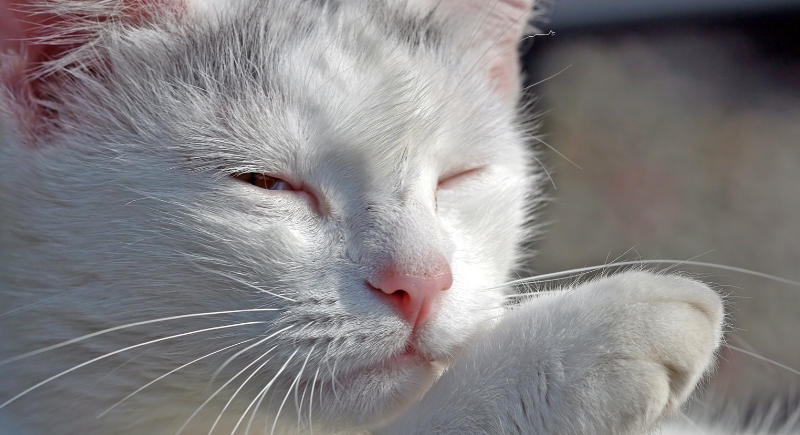
A slow eye close followed by a calm reopen is a deliberate signal. In feline behavior, steady eye contact can signal tension, so soft blinking shows relaxation and trust. Cats only do this when they feel secure around someone.
Following You From Room to Room
Credit: Canva
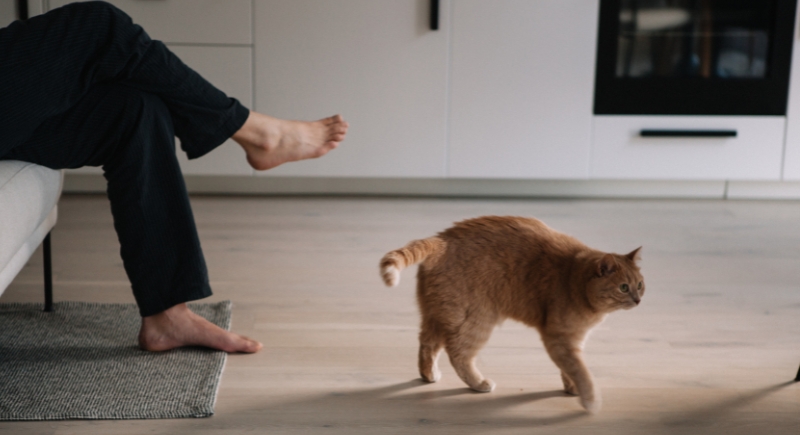
Studies on companion animals show that proximity-seeking is a common sign of social bonding. Some cats relocate every time their person does. This behavior is linked to attachment rather than curiosity, since the cat often settles nearby without asking for anything.
Sleeping Nearby
Credit: Canva
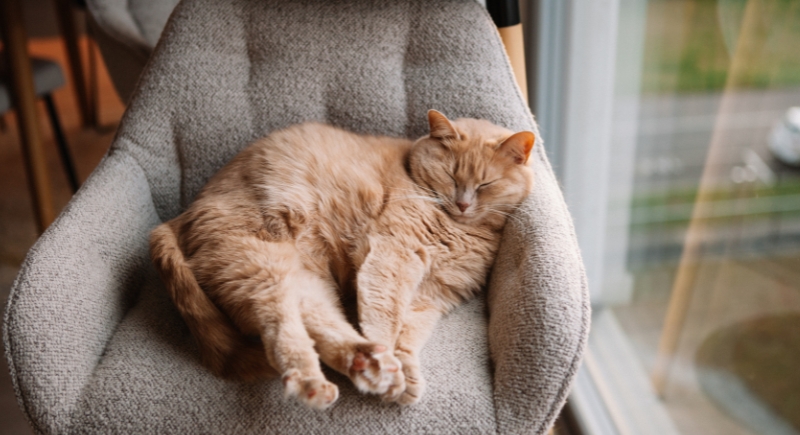
Cats choose sleep locations carefully because rest leaves them vulnerable. Sleeping on a bed, a nearby chair, or at the foot of the couch shows that the cat feels protected in that space. Physical closeness without direct contact often reflects trust combined with personal boundaries.
Head Butting and Face Rubbing
Credit: Getty Images
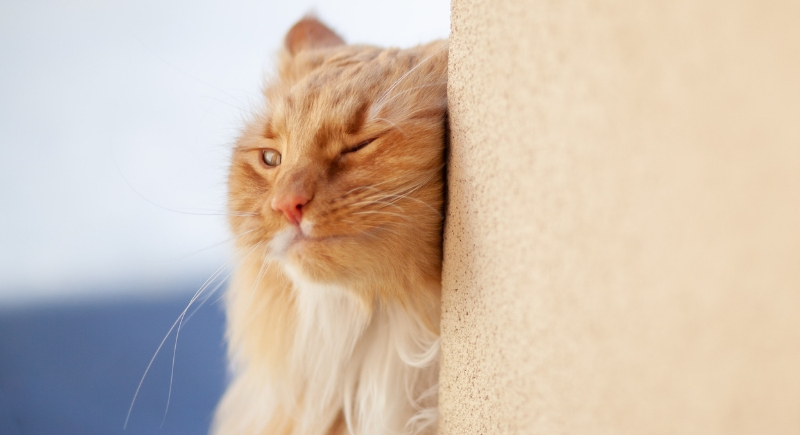
These actions release scent markers from glands on the face and head. When your pet rubs against people, they are mixing scents to signal familiarity and shared space. In feline social groups, this behavior reinforces bonds.
Personalized Vocal Sounds
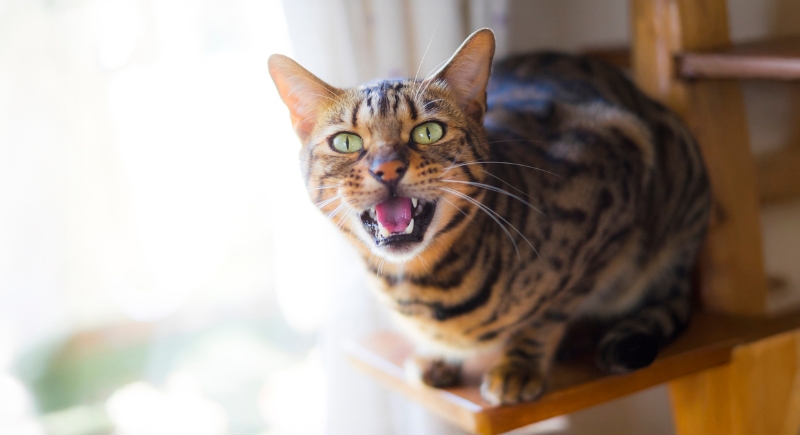
Credit: Aflo Images
Cats adjust their meows based on human reactions, and even Cornell University research has shown that they change tone and frequency depending on what gets a response. Chirps and trills aimed at humans are learned communication tools.
Waiting by the Door
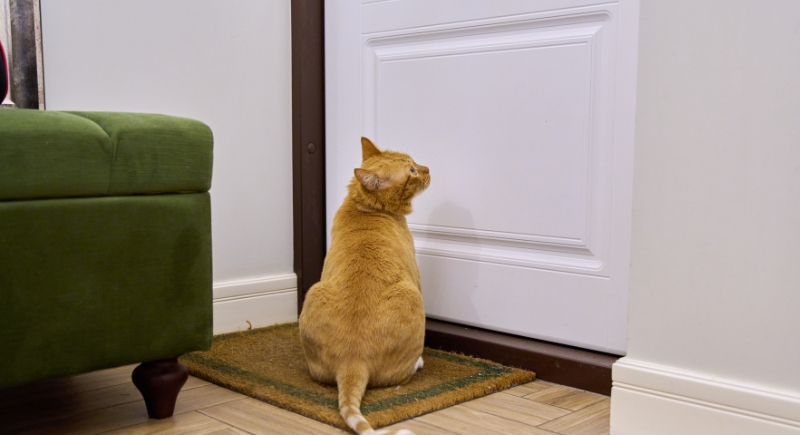
Credit: Canva
Some cats position themselves near entrances around expected arrival times because they have been known to recognize familiar footsteps and voices. This behavior reflects memory and anticipation tied to attachment.
Sitting on Your Belongings
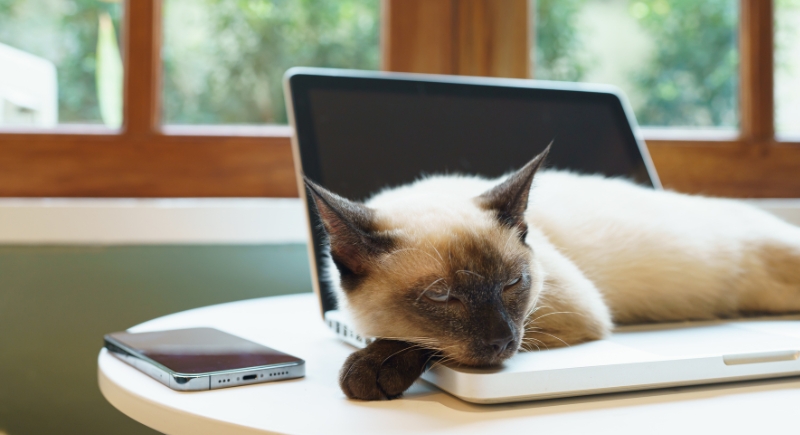
Credit: Canva
Clothing, laptops, shoes, and other belongings can hold strong scent cues. Resting on those items helps regulate stress through familiarity, and that’s why they love lingering around them. Cats use scent to maintain emotional stability when their person is absent.
Gentle Paw Taps
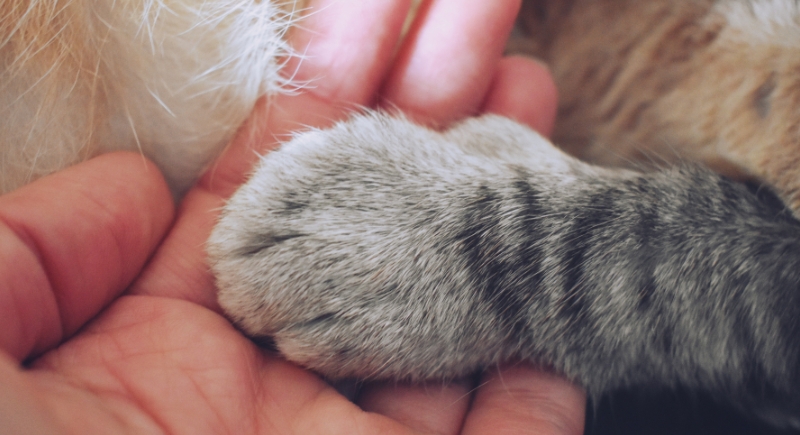
Credit: Getty Images
A light paw touch is an intentional attention signal, and many cats prefer it to vocalizing because it keeps interaction calm. Behaviorists note this is common in cats that have learned subtle communication works best.
Grooming Near You
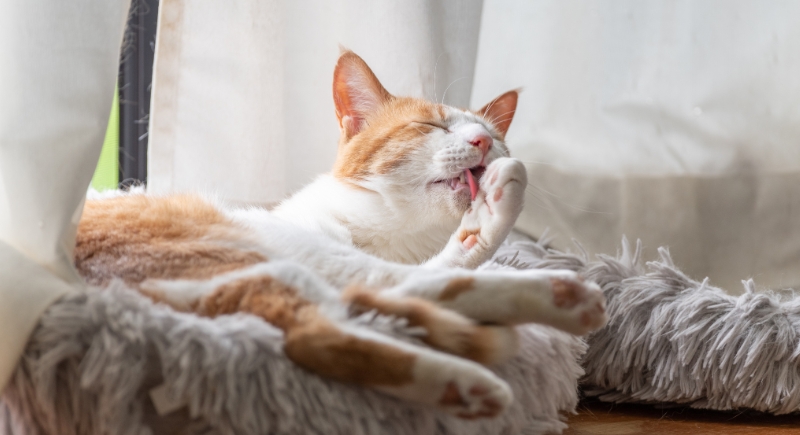
Credit: Getty Images
Proximity during grooming signals comfort and emotional regulation through shared presence. Kitties groom to regulate stress levels, so doing it beside their favorite person mirrors social grooming behaviors seen between bonded cats.
Exposing the Belly
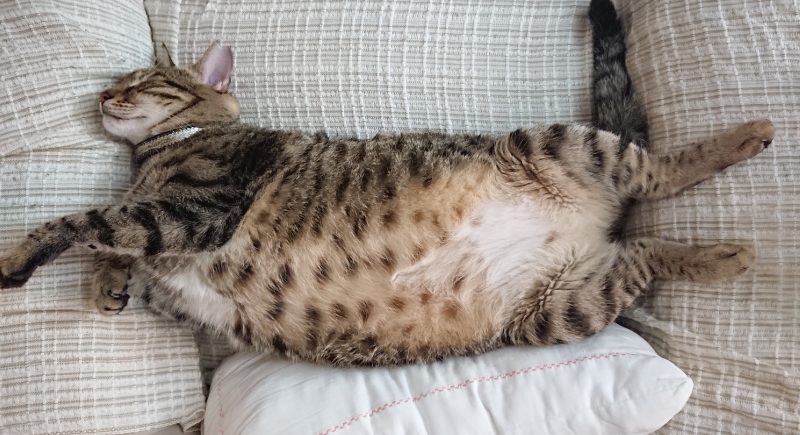
Credit: Getty Images
A cat rolling onto its back is showing vulnerability. The abdomen protects vital organs. Therefore, exposure signals safety rather than an invitation to touch. Be happy if they do this around you, since this behavior usually appears only in trusted environments.