10 Pet Supplements That Are a Waste of Money, According to Veterinarians
Pet supplements come with reassuring promises to help with joint comfort, shinier coats, and better digestion, and it all sounds helpful. Many pet owners reach for these products with good intentions, but veterinarians tend to approach the topic with more caution. Research gaps and unnecessary overlap with balanced diets often complicate the picture. A closer look reveals that several popular options rarely deliver meaningful benefits.
Multivitamins For Healthy Pets
Credit: Getty Images
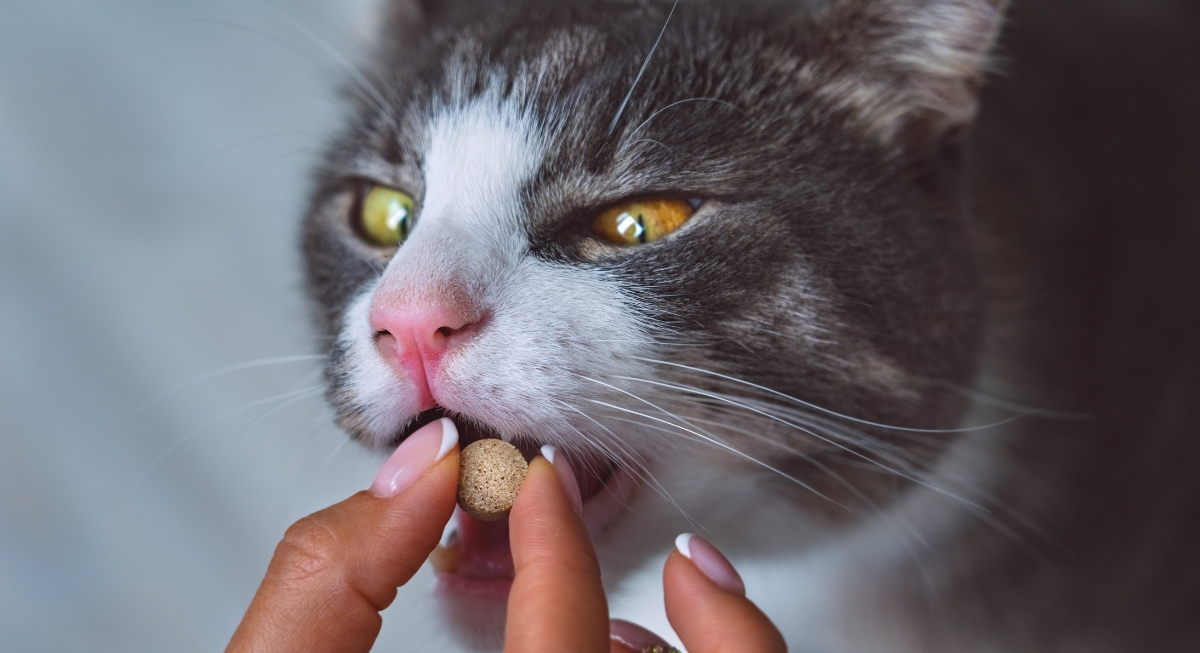
Veterinarians often question their value for pets already eating complete commercial diets. These foods are formulated to meet nutritional standards, leaving little room for improvement through extra vitamins. Adding more can push certain nutrients past safe levels.
Joint Supplements Without Clinical Support

Credit: Getty Images
Studies in dogs show only modest improvements for arthritis, and results often vary depending on product quality. Veterinarians consistently note that weight management has a much greater impact on joint health. Many owners spend months using supplements without seeing meaningful changes, especially when the underlying condition requires proper medical treatment instead.
Over-the-Counter Skin And Coat Pills

Credit: Getty Images
Shiny fur sells, and skin supplements promise quick results. In reality, many skin issues stem from allergies, infections, or parasites that require targeted care. Pills marketed for coat health rarely address those root causes. Prescription therapies with antifungal or antibacterial action tend to resolve problems more effectively.
Probiotics With Vague Benefits

Credit: Canva
Probiotics are widely used for digestive support, but their effects in pets are not consistent. Some strains do not survive storage or the digestive process, and labels often fail to indicate which remain active. Veterinary research is still catching up, so many products lean on evidence taken from human studies. In pets with normal digestion, they usually do not make a noticeable difference.
Calcium Supplements For Balanced Diets

Credit: Canva
Commercial pet foods already contain carefully measured amounts designed for proper growth and maintenance. Supplementing on top of that can disrupt the balance between calcium and phosphorus. In growing animals, this imbalance may contribute to skeletal issues. Veterinarians usually reserve calcium supplementation for very specific medical or dietary situations, not as a routine addition.
Fish Oil Without Clear Indication
Credit: Canva
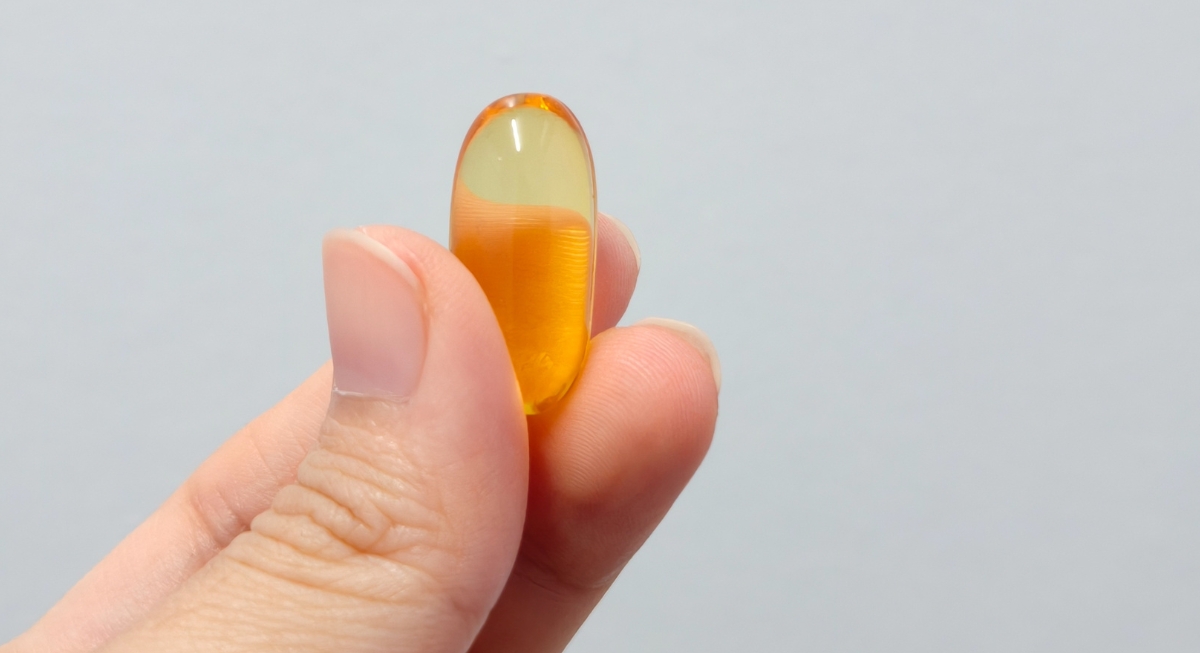
There is some evidence supporting its use in certain conditions like kidney or heart disease, though benefits depend on proper dosing. Many pet owners give it casually without guidance, which can lead to unnecessary calories or digestive upset. In healthy pets, the impact is usually minimal.
Herbal Blends With Limited Oversight

Credit: Canva
“Natural” does not guarantee safety or effectiveness. Many of these products fall into a regulatory gray area, meaning they are not required to prove quality or consistency before reaching the market. Ingredient lists can be vague, and contamination is a known concern.
Senior Formula Supplements
Credit: Canva
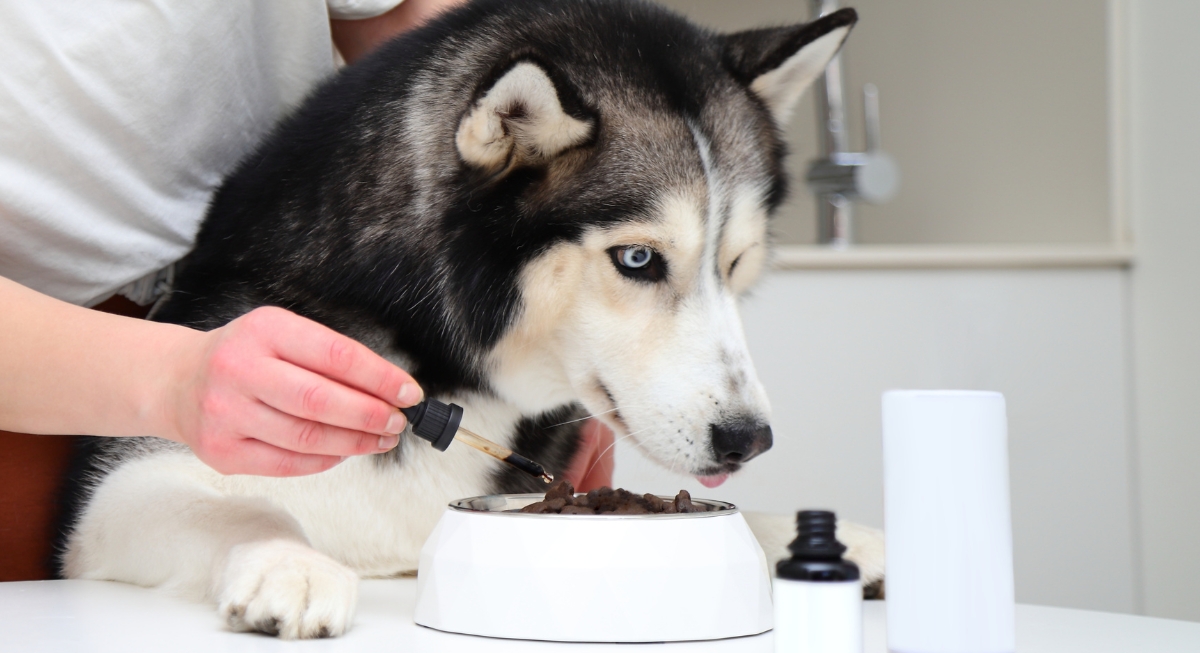
Products marketed for aging pets often bundle multiple ingredients into a single formula. These mixes may include vitamins, antioxidants, and joint-support compounds, in unknown amounts. Aging pets have highly individual needs based on health status, not age alone, and a generalized supplement rarely aligns with those specific requirements.
Hairball And Digestive Combo Supplements
Credit: Canva
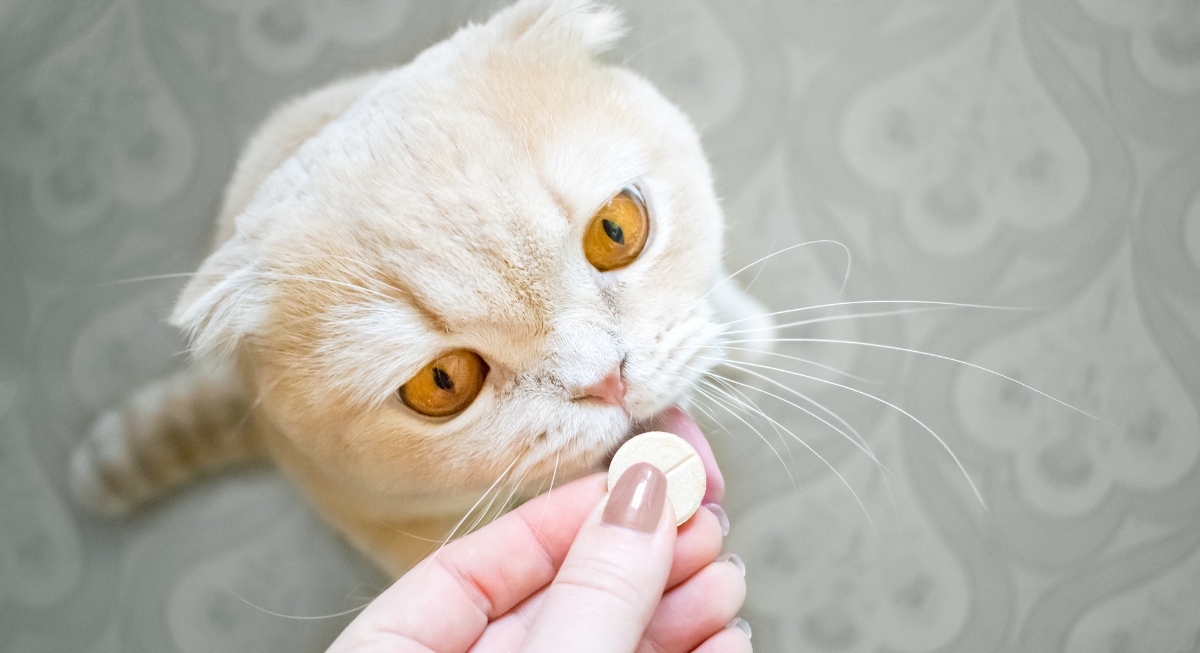
Products that claim to handle both hairballs and digestion often miss what is actually causing the problem. In many cats, hairballs come down to grooming patterns or specific digestive issues. A supplement on its own rarely changes much if diet and behavior stay the same. Most vets focus on fiber, grooming habits, or targeted treatment depending on the cause.
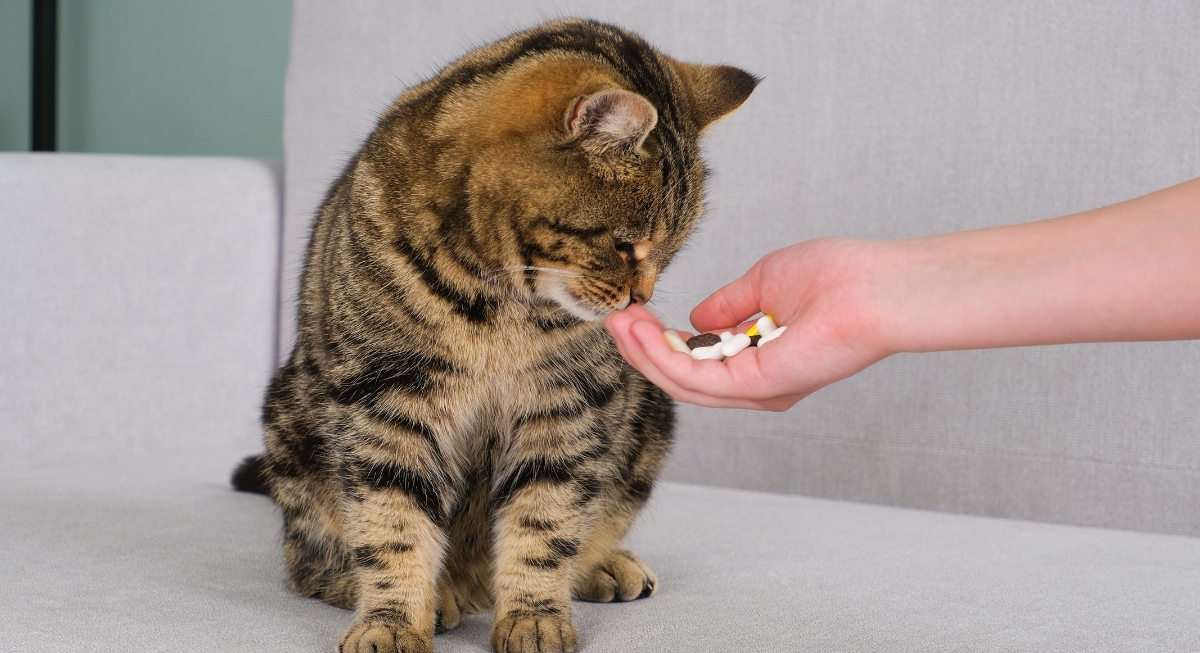
General Immune Boosters
Credit: Canva
Immune-boosting supplements tend to get popular during seasonal changes or after a pet has been unwell. The idea sounds simple, but the immune system does not respond in such a straightforward way. Many of these products lack strong evidence, even though they are widely marketed. In practice, veterinarians rely on proper nutrition, vaccinations, and preventive care, which already support immune function more reliably.