Dog Breeds That Are Disproportionately Popular With Upper-Middle-Class Families
Dog ownership tends to mirror lifestyle and income brackets more than people realize. Upper-middle-class families often select breeds that align with their budgets and social expectations. These dogs have become part of a curated life that involves financial flexibility and very specific preferences.
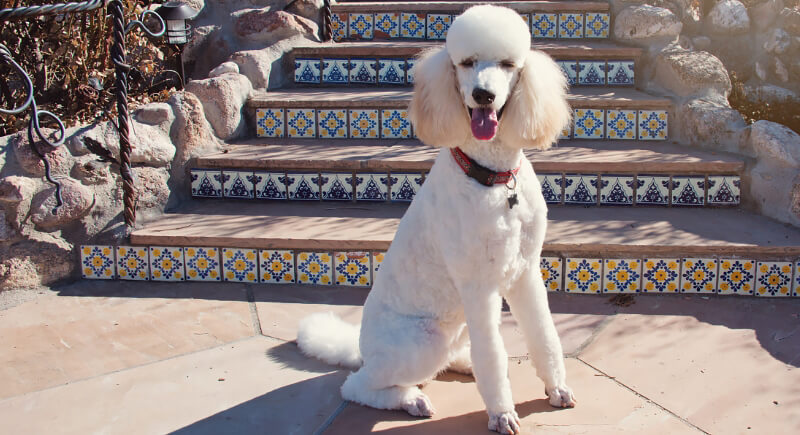
Standard Poodle
Credit: Getty Images
This breed checks many boxes for allergy-sensitive households, but it also requires maintenance that’s more realistic for people with flexible schedules and disposable income. Regular professional grooming isn’t optional, and these dogs crave mental stimulation, not just a fenced yard.
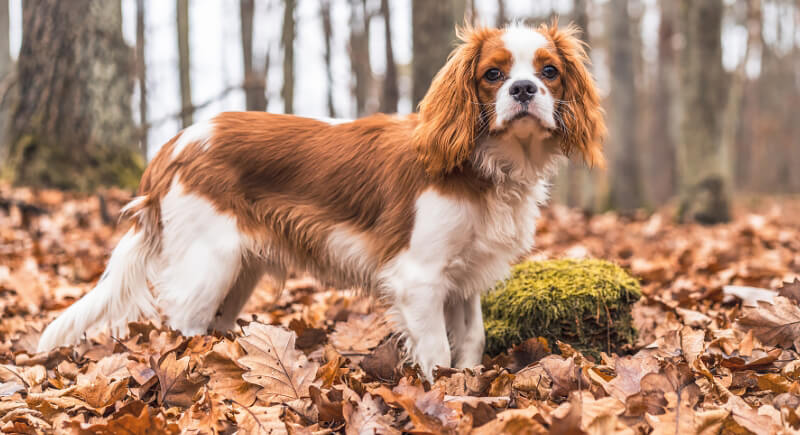
Cavalier King Charles Spaniel
Credit: Getty Images
At first glance, Cavaliers seem like a safe pick; they’re small, sweet, and happy to lounge on the couch. However, underneath that royal-looking coat is a breed genetically prone to heart issues. Long-term cardiac care isn’t rare, and the breed is often found in families that see the vet almost as often as the pediatrician.
Vizsla

Credit: Getty Images
Upper-middle-class households that prioritize fitness tend to gravitate toward this athletic Hungarian breed. Vizslas require high levels of daily exercise and become anxious if left alone for extended periods. Families with remote or flexible jobs can provide the structure these dogs need.
French Bulldog

Credit: pexels
Despite their compact size and minimal exercise needs, French Bulldogs can be surprisingly expensive to care for. Breathing issues, overheating, and expensive C-section births drive up costs. They’ve become staples in city apartments and suburban homes, where aesthetics and lifestyle branding are valued.
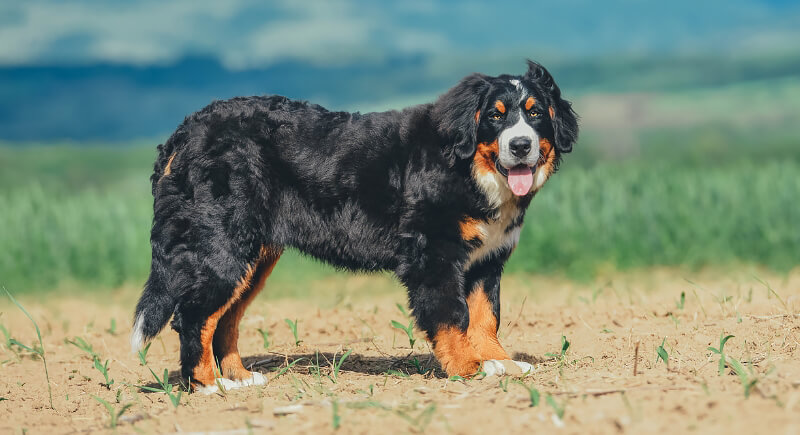
Bernese Mountain Dog
Credit: Getty Images
With their giant frames and calm temperament, Bernese Mountain Dogs look like they’d be great for any home with a backyard. But their short lifespans and frequent health problems make them high-risk, high-cost pets. Vet bills for hip issues and cancer treatments can add up fast.
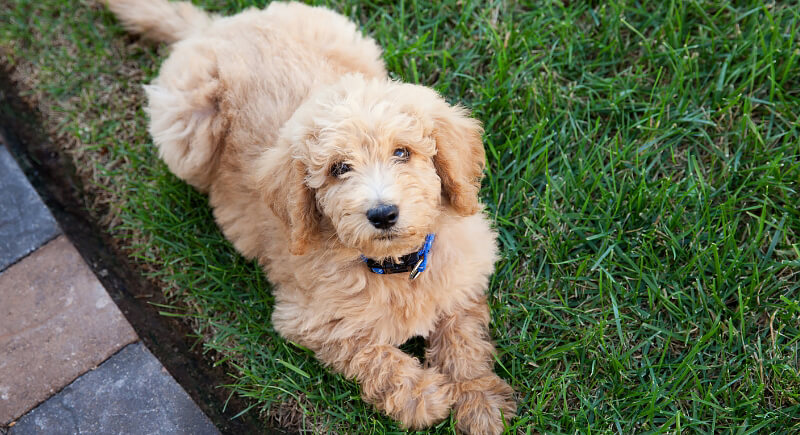
Labradoodle
Credit: Getty Images
Though originally bred as a hypoallergenic service dog, the Labradoodle became a suburban favorite for its friendly personality and loveable coat. But owning one isn’t as easy as it seems. Their coats often need the same grooming as a poodle, and their temperament varies depending on how the genetics shake out.
Australian Shepherd
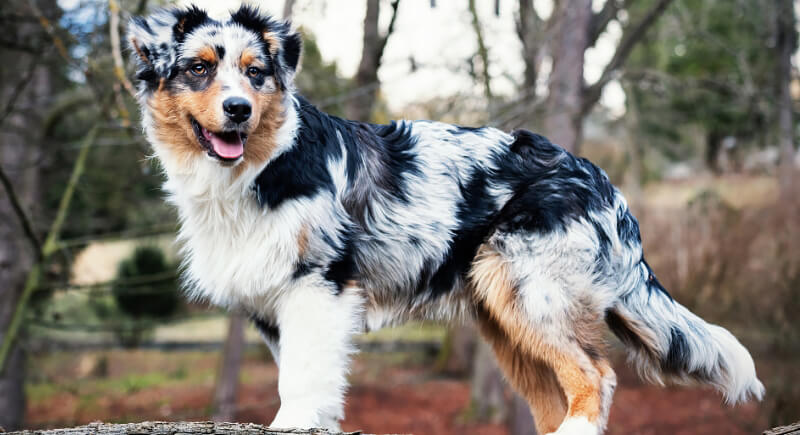
Credit: Getty Images
There’s no such thing as “lazy time” in an Aussie’s schedule. These dogs want jobs and an activity plan that goes beyond a weekend fetch session. Agility classes and mental puzzles are just basics. Upper-middle-class households with structured calendars and flexible routines often make it work.
Afghan Hound
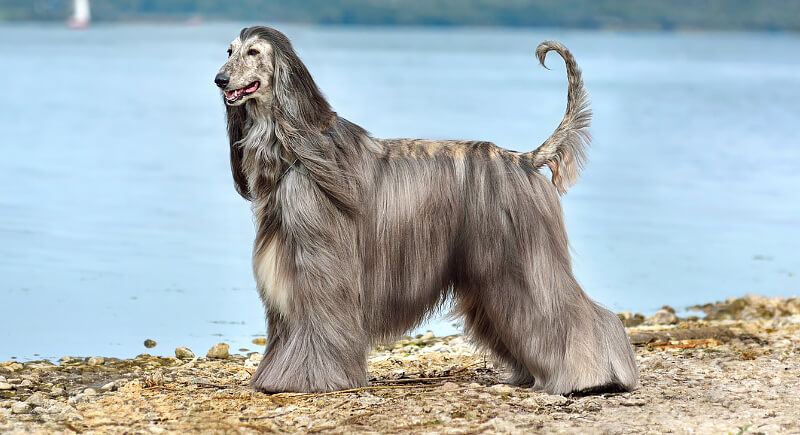
Credit: Getty Images
Their long, flowing coats and aloof personalities give them an air of elegance that comes at a price. Grooming takes hours. Their independent streak doesn’t make training easy. These dogs are for people who can hire groomers and invest in obedience classes.
Golden Retriever
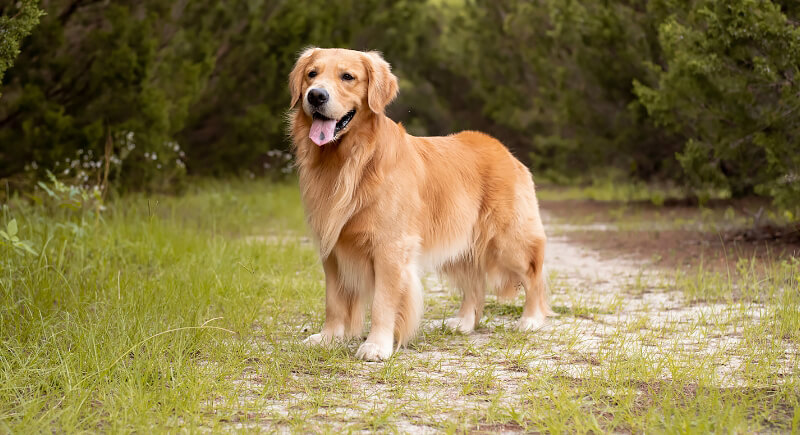
Credit: Getty Images
It’s not just their temperament that makes Goldens so popular with higher-income families; it’s everything that comes after adoption. Regular vet visits, frequent grooming, and the time needed for daily walks add up. Their emotional sensitivity also makes them better suited to homes with more consistent human presence throughout the day.
Samoyed
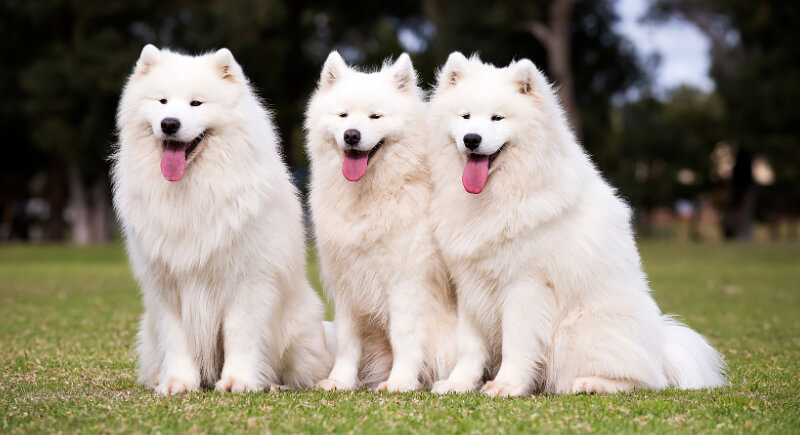
Credit: Getty Images
Looking like a cloud doesn’t make a Samoyed easy to live with. Their thick white coat sheds year-round and needs serious brushing—sometimes daily. They also hate being bored. Families who thrive with Samoyeds are usually those with the time to keep them entertained and the funds to afford regular grooming.