You Can Own a Tiger in Alabama but Not a Capybara: Bizarre U.S. Exotic Pet Rules
Exotic pet laws in the United States are confusing to most people. One state may allow animals that another bans outright. In several places, residents may legally keep animals that seem wildly impractical, yet common small pets remain prohibited. These contradictions reveal how wildlife laws developed over time, shaped by local priorities and occasionally by strange historical circumstances.
Alabama’s Surprisingly Permissive Tiger Situation
Credit: pixabay
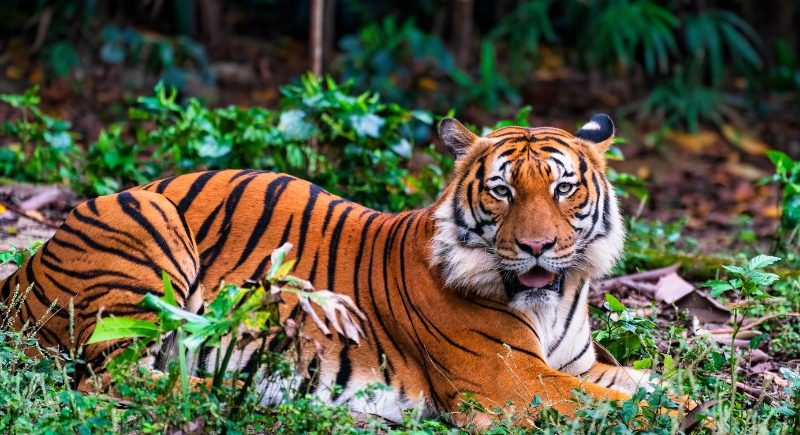
Alabama stands out for what it does not regulate. The state lacks a comprehensive ban on many large exotic animals, which means private ownership of creatures such as tigers can occur with few statewide restrictions. T
California’s Hard Line On Hedgehogs
Credit: Canva
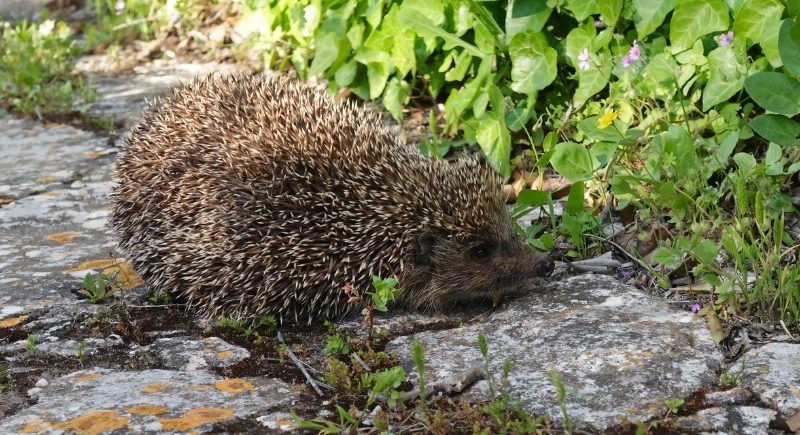
The state bans hedgehogs, even though they remain common pets across much of the country. Officials worry about invasive species and disease risks that could affect agriculture or native animals. Under the same regulations that prohibit hedgehogs, lions, and tigers, they also fall into the prohibited category for private ownership.
Nevada Allows Zebras Without A Permit
Credit: Canva
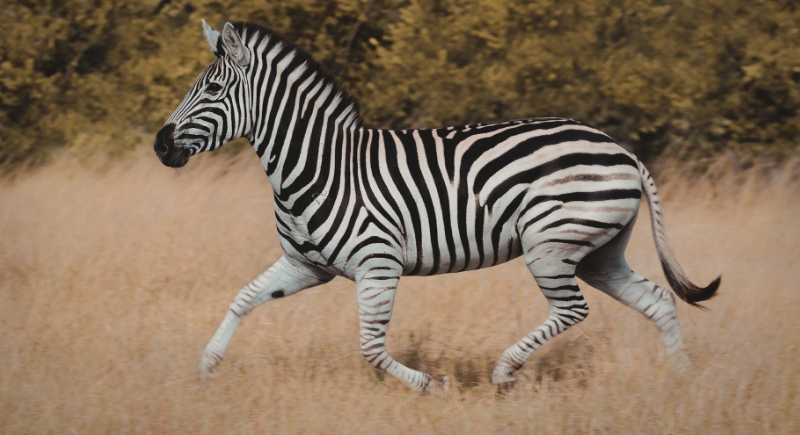
Nevada’s exotic animal rules often surprise newcomers. Residents can legally own animals such as zebras, yaks, and certain primates without a state permit. The law focuses instead on a list of banned species that includes alligators, skunks, and coyotes.
Florida Requires Two Acres For Dangerous Animals
Credit: pixabay
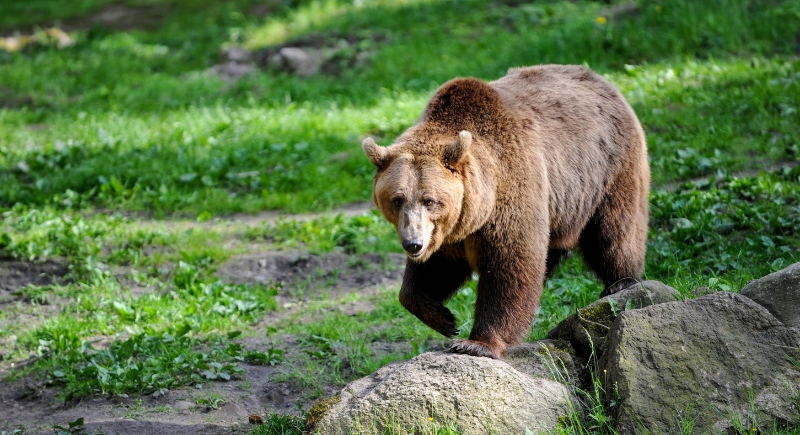
Florida divides exotic pets into strict licensing categories. Large carnivores, bears, and primates are subject to regulations requiring permits, insurance, and proof of secure enclosures. One unusual requirement involves land size. Owners must maintain at least 2.5 acres to legally house certain animals.
Arkansas Limits The Number Of Wild-Caught Animals
Credit: pixabay
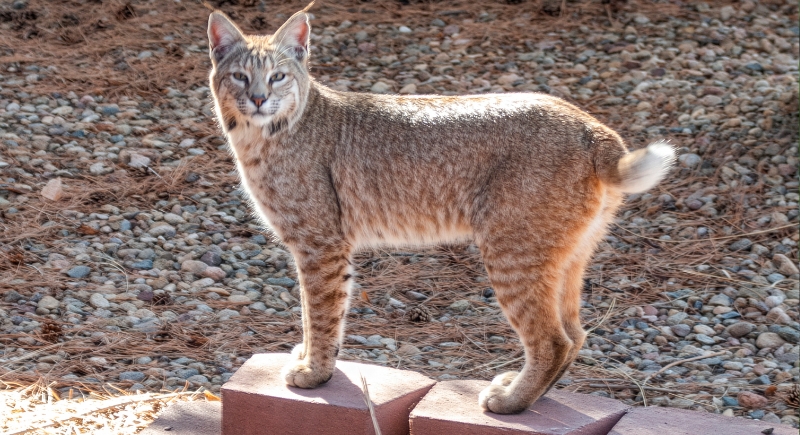
Arkansas allows ownership of certain wildlife taken from the wild, which already sounds unusual. State law places a specific cap on these animals. Residents may keep up to six combined animals such as raccoons, coyotes, foxes, or bobcats. The animals must be separated by gender and cannot be sold without a dealer permit.
Indiana’s Three-Class Exotic Animal System
Credit: pexels
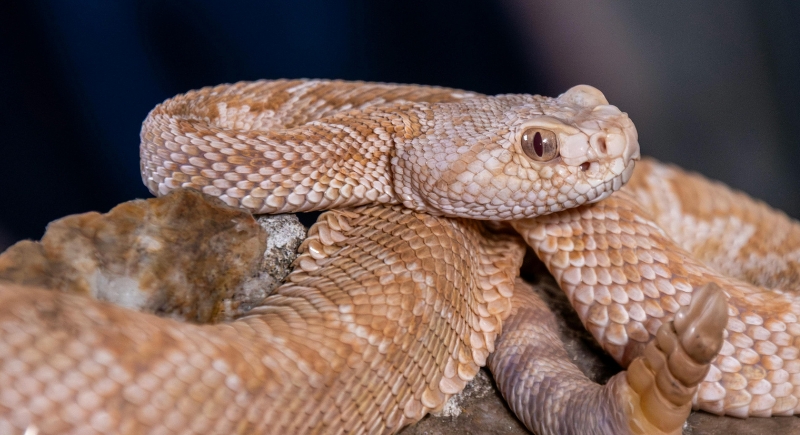
Indiana regulates exotic pets through a three-tiered risk-based system. Class III includes animals widely considered dangerous, such as bears and venomous reptiles, which residents may keep if they secure the proper permit. Lower classes cover animals that present fewer risks. Because of this system, a licensed Indiana resident could legally own a bear, something many states ban entirely.
Hawaii Allows Very Few Exotic Pets
Credit: Canva
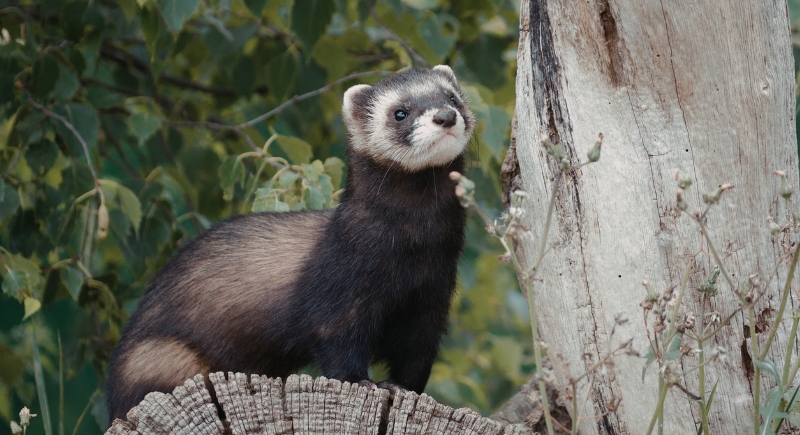
The islands’ isolated ecosystem makes invasive species a serious concern. Many animals common on the mainland remain illegal there, including ferrets, hamsters, and most reptiles. State officials maintain an approved animal list dominated by livestock and traditional domestic pets. The goal is to protect native wildlife that evolved without many natural predators.
Texas Requires Registration For Big Cats
Credit: Getty Images
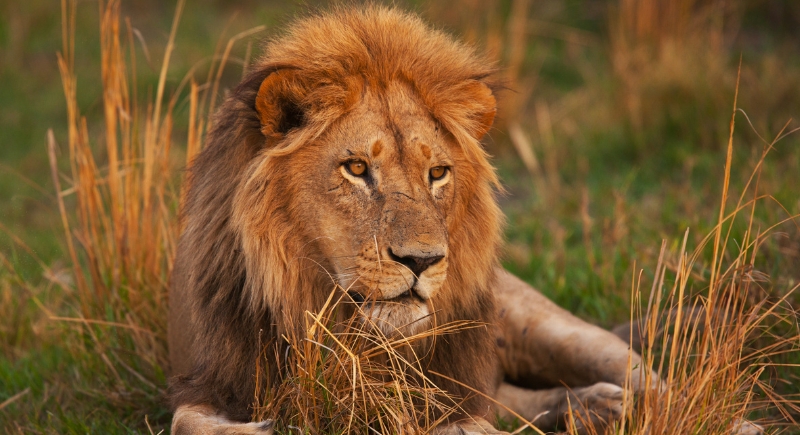
Texas allows ownership of several large exotic animals, including lions and tigers, but the process comes with paperwork. Owners must register the animal with local authorities and obtain a certificate of registration. The law also limits people to six animals in certain regulated categories.
Ohio Tightened Laws After A Major Incident
Credit: pexels
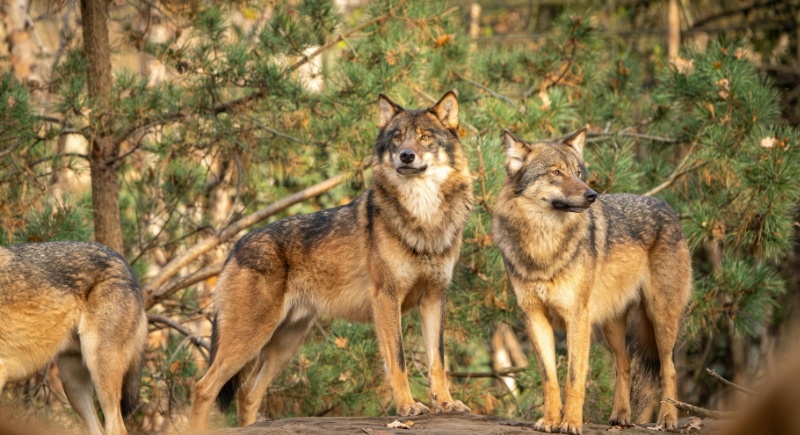
Ohio once had minimal restrictions on exotic pets. That changed after the 2011 Zanesville incident, when dozens of dangerous animals were released from a private property. Authorities later passed the Dangerous Wild Animal Act. The law banned ownership of many species, including bears and primates. Permits now apply only to zoos, research institutions, and other specialized facilities.
New York Allows Hybrid Cats But Not Wild Ones
Credit: Canva
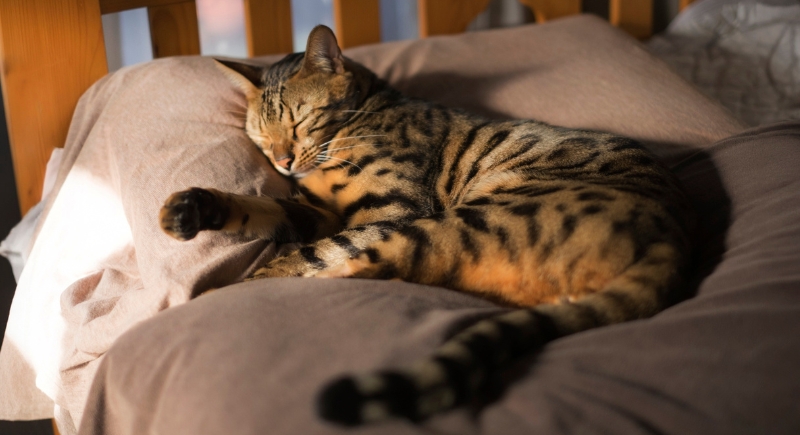
New York prohibits ownership of most wild animals, including big cats and bears. Hybrid cats exist in a gray area. Later-generation hybrids, such as certain Savannah or Bengal cats, may be legal without permits if they have sufficient domestic ancestry. Wildlife officials draw the line at animals that still retain strong wild genetics.