10 Exotic Pets That Are Legal in the U.S. But Shouldn’t Be
In many parts of the U.S., it’s legal to own animals that most people only ever see in the wild or at the zoo. These include everything from large predators to rainforest species with very specific needs. However, legality doesn’t guarantee safety for either the animal or the people around it.
Exotic pets often suffer in homes that can’t meet their basic needs. Some become aggressive or unpredictable as they grow. Others face health issues or die early. This list looks at animals that are still legal to keep in some states but raise serious concerns for public safety and animal welfare.
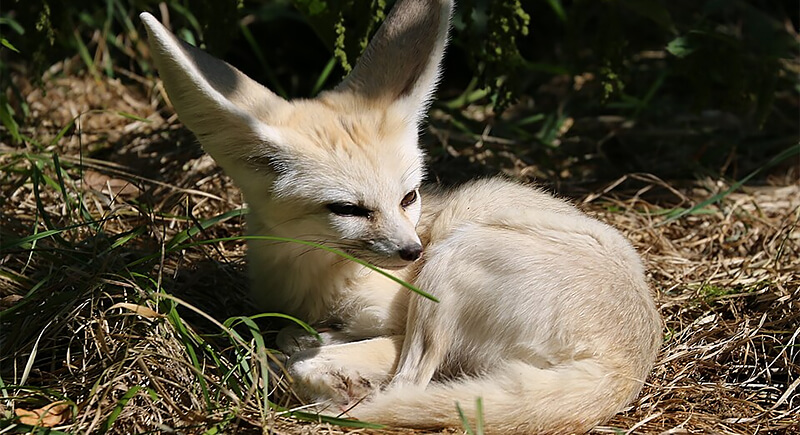
Fennec Fox
Credit: Wikimedia Commons
Tiny and cartoon-cute, the fennec fox seems manageable at first glance. But these desert mammals are built to roam, burrow, and live in large social groups. Indoors, they become restless and noisy. Their nocturnal habits and high activity levels clash with typical home environments, often leading to stress-related behavior when confined indoors.
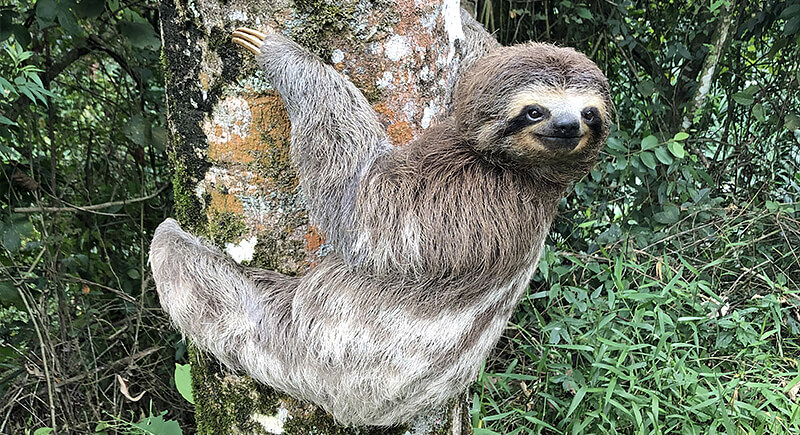
Sloths
Credit: Wikimedia Commons
Most sloths sold as pets are taken illegally from the wild. Unfortunately, many don’t survive the journey. Even if they make it into a home, they need constant humidity, specific temperatures, and a slow-metabolism diet that most owners can’t replicate. Their limited ability to move or thermoregulate means captivity often results in illness, stress, and early death.
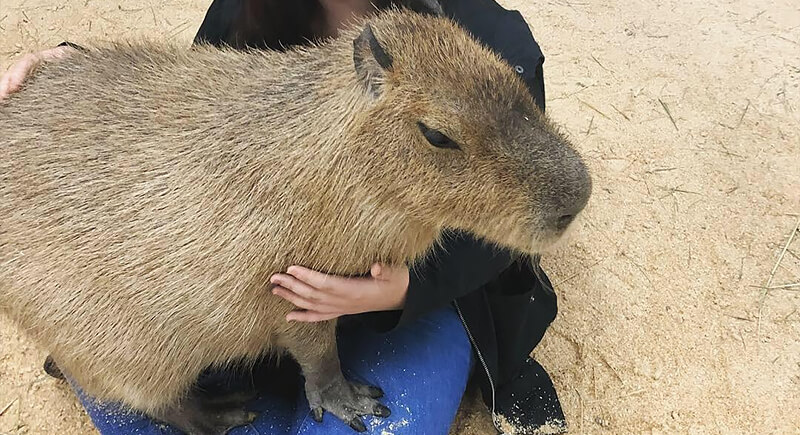
Capybaras
Credit: Reddit
Capybaras need consistent access to natural water sources, and they thrive in groups. These large rodents graze throughout the day and rely on constant chewing to keep their teeth healthy. When kept alone or without space to roam, they become withdrawn or aggressive, especially males during mating season.
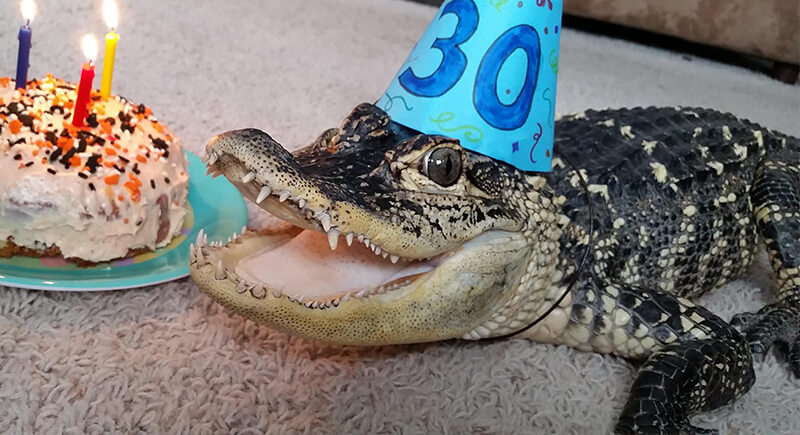
Alligator
Credit: Reddit
In Florida and several other states, owning an alligator is permitted with a license or permit. But their sheer size, strength, and predatory instincts make them unsuitable for private care. Some owners resort to taping their jaws shut, which raises serious ethical and safety concerns in both suburban and rural settings.
Wallaroos
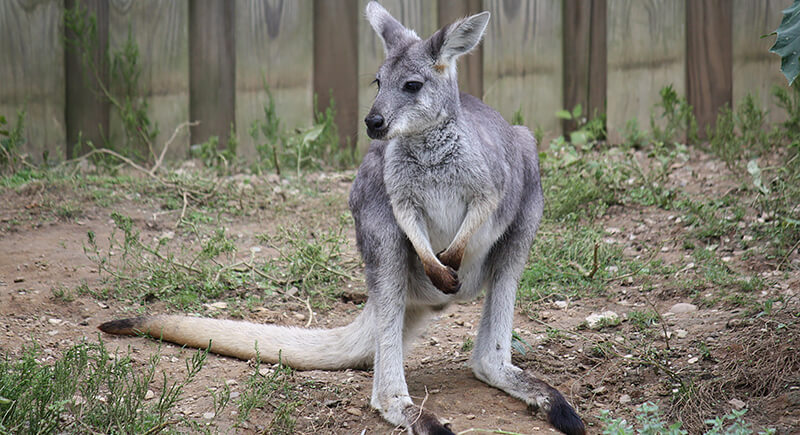
Credit: Wikipedia
Wallaroos, smaller cousins of kangaroos, are sometimes bred for the exotic pet market. They may look cute in photos, but they can weigh up to 100 pounds and jump over backyard fences or dig deep into the soil. Their strength, speed, and need for open terrain make them a poor match for domestic settings.
Skunk

Credit: Reddit
These nocturnal animals tend to chew, dig, and destroy when bored, and they’re nearly impossible to house-train or properly socialize indoors. In states that allow pet skunks, owners often have their scent glands surgically removed to avoid the infamous spray. But this robs the skunk of its only defense mechanism.
Capuchin Monkeys
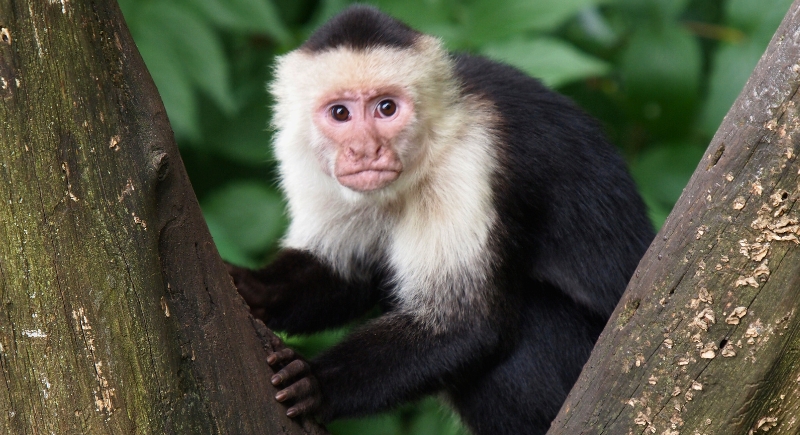
Credit: Getty Images
Capuchin monkeys often appear manageable due to their size and intelligence, but they require constant social interaction and enrichment. Once they reach sexual maturity, aggression becomes common. Many are surrendered or abandoned after behavioral changes, and even permitted owners struggle to meet their needs over the long lifespan.
Wildcats
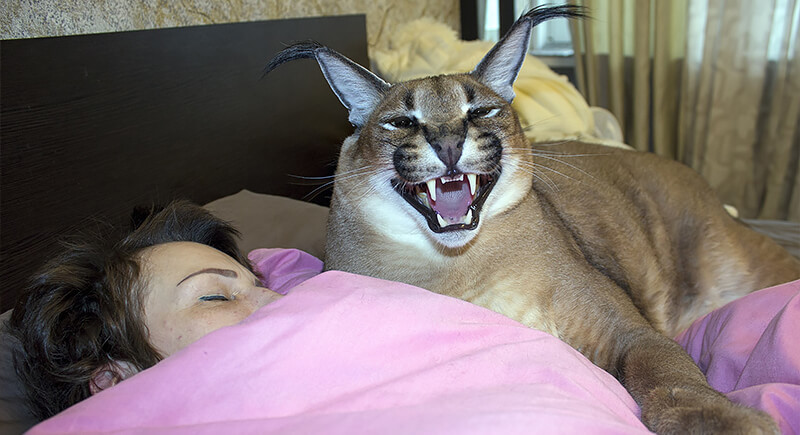
Credit: Wikipedia
Servals are sleek African wildcats that can leap six feet vertically. Legal in some states with permits, they’re solitary hunters with precise instincts that don’t fade in captivity. They tear through furniture, spray to mark territory, and need far more space than any home can offer. Stress and aggression are common.
BobCats
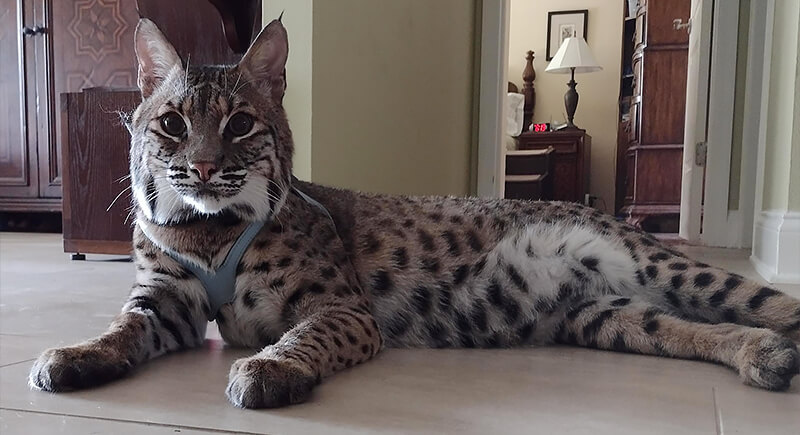
Credit: Reddit
Though they’re native to North America, bobcats are not domestic animals. They need to roam large distances, hunt regularly, and climb with ease. Even high fences often fail to hold them. Owners report minimal bonding with humans, and in many states, keeping one doesn’t require much regulation or experience.
Chimpanzees
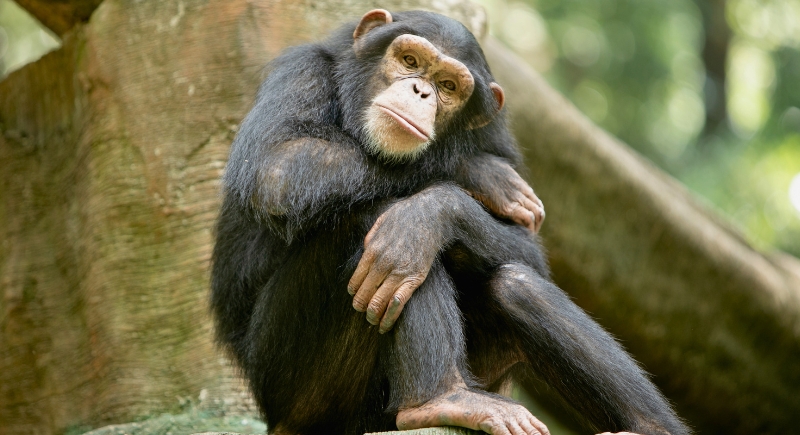
Credit: Getty Images
As babies, chimpanzees may seem playful and manageable. But by age 5 or 6, they become stronger than most adult humans. They also need mental challenges and complex social structures, or they spiral into depression or aggression. Attacks on owners have occurred, yet some states still allow ownership with minimal oversight.