10 Velcro Cat Breeds That Will Follow You Into Every Single Room
There are certain cat breeds that never let you be alone and instead follow you through almost everything happening in the house. They wait outside doors, appear in the kitchen the second food is involved, sit beside laptops during work, and trail behind people from room to room without much hesitation.
That kind of behavior is especially common in a few breeds known for forming strong attachments to people. Some constantly want attention and stimulation, while others stay nearby out of curiosity, comfort, or simple habit. Either way, these cats rarely like feeling left out of whatever is going on around them.
Siamese
Credit: Wikimedia Commons
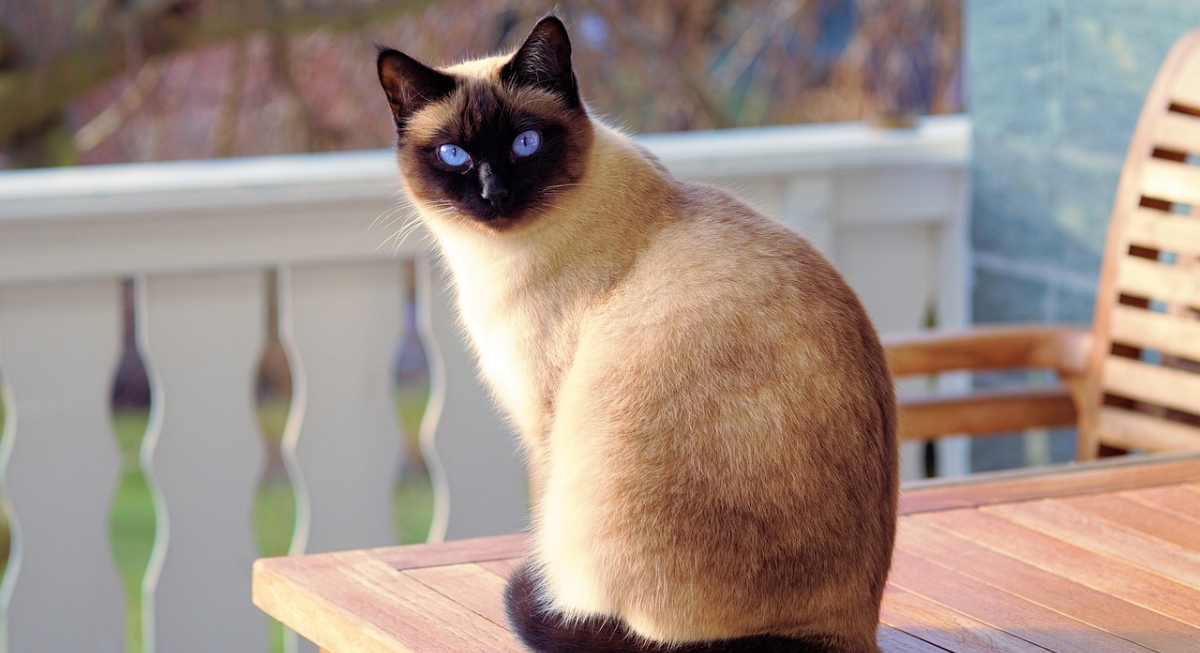
Siamese cats respond to voices, answer back with distinct tones, and frequently insert themselves into conversations happening around the house. Their social behavior traces back centuries to royal households in Thailand, where the breed was closely associated with human companionship, unlike most for independent pest control. A Siamese cat without regular engagement is likely to make its dissatisfaction very obvious.
Ragdoll
Credit: pexels
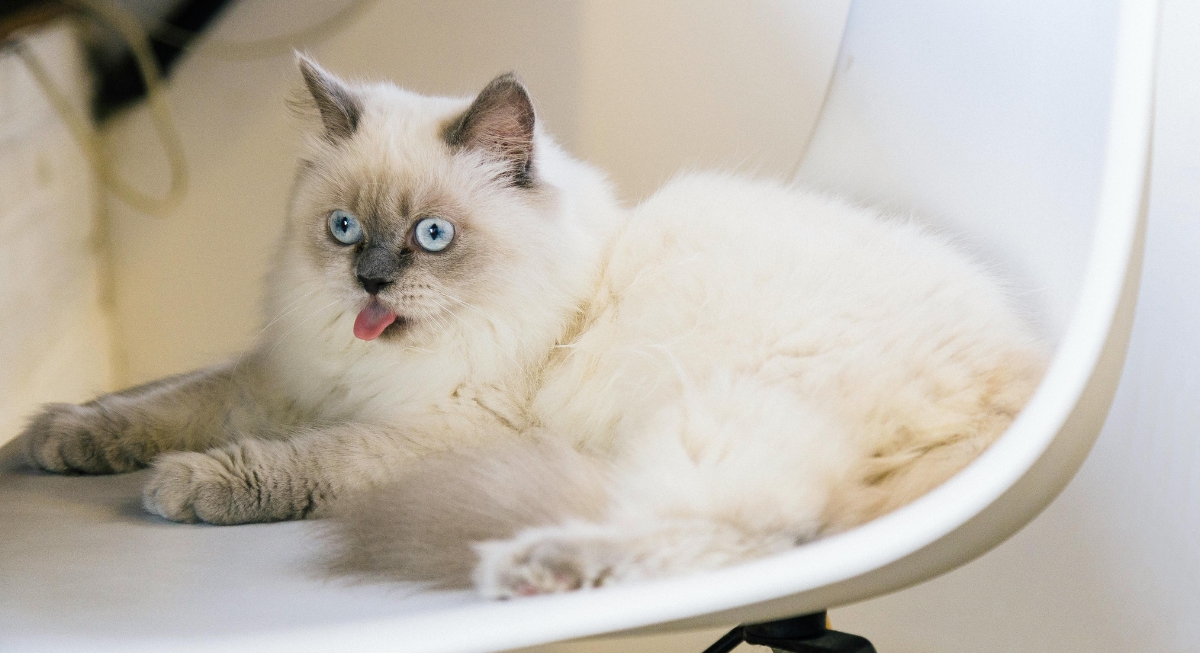
Many cats don’t like to be carried or repositioned, but Ragdolls are different; they stay relaxed when picked up, sometimes going limp enough to inspire the breed’s name. They are popular in family households with children or multiple pets. Ragdolls also mature slowly, sometimes taking several years to reach full size and develop their coats. They will often choose floor space or nearby furniture over high climbing spots.
Burmese
Credit: Canva
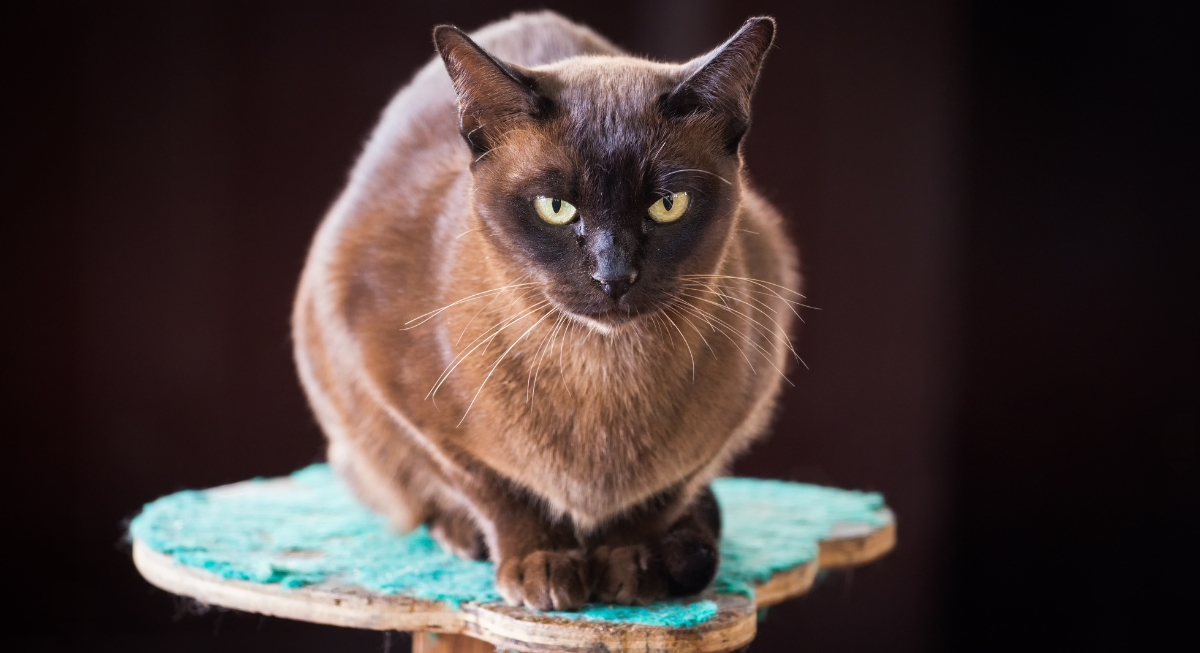
This breed’s history traces back to a single cat named Wong Mau, imported from Burma during the 1930s, which became foundational to the breed in North America. They invent games involving paper scraps, cabinet doors, or small household objects, then repeat those routines daily once they get a reaction. Breeders and veterinarians frequently describe them as highly people-oriented because they dislike being isolated for extended periods. T
Sphynx
Credit: pexels
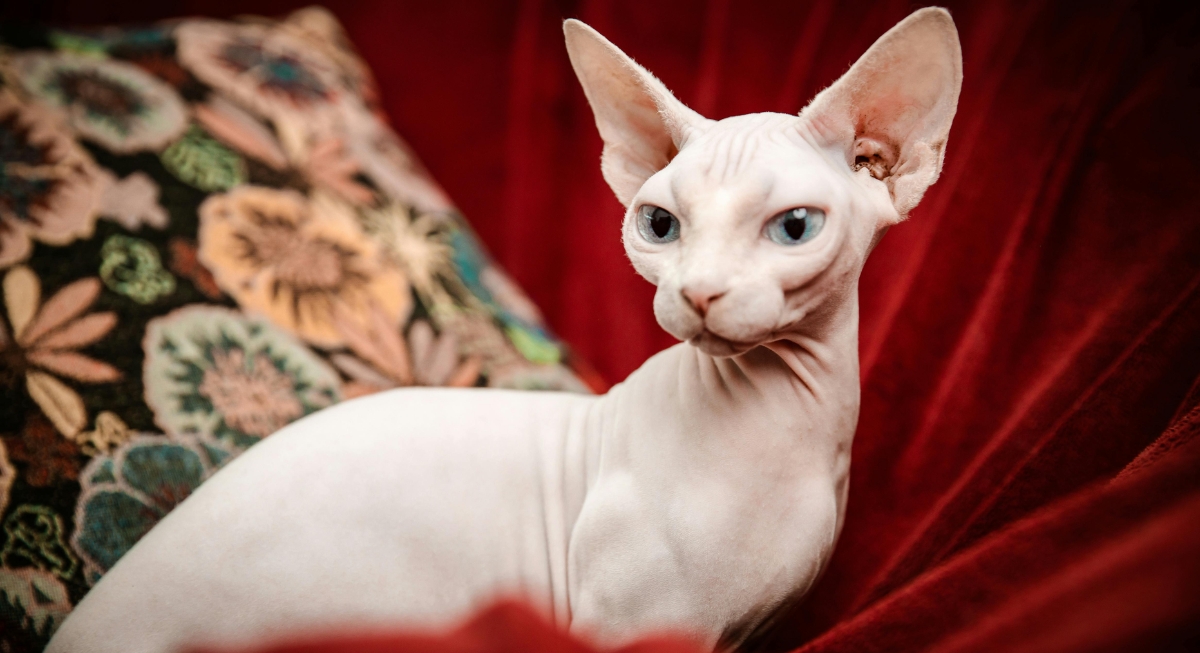
A Sphynx cat’s body temperature regulation works differently without a full fur coat. These cats seek blankets, heated surfaces, laptops, shoulders, or direct skin contact throughout the day. That heat-seeking behavior contributes heavily to the breed’s clingy reputation. Hairlessness does not eliminate the need for maintenance, because oils normally absorbed by fur accumulate directly on the skin instead.
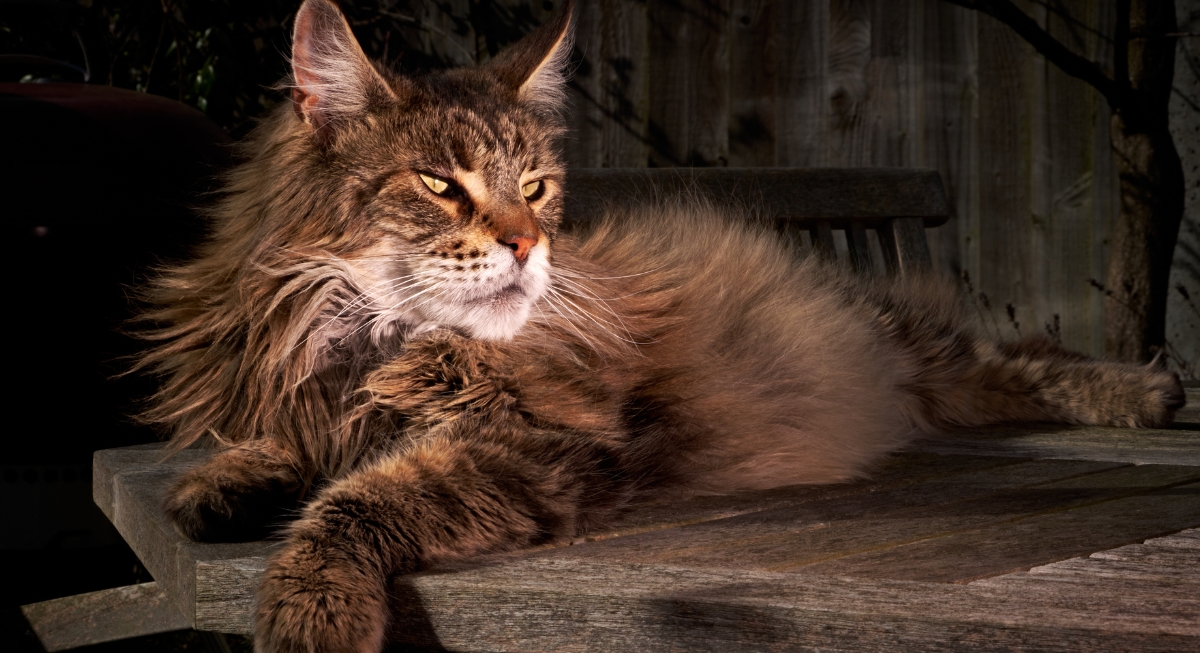
Maine Coon
Credit: pexels
Maine Coons are huge cats, yet many move around the house with surprising care despite their long bodies and heavy build. The breed developed naturally in the northeastern United States, where thick coats and large paws helped them handle cold winters. They are usually quieter than highly vocal breeds like Siamese cats, but still stay closely involved in daily household routines and like keeping people nearby.
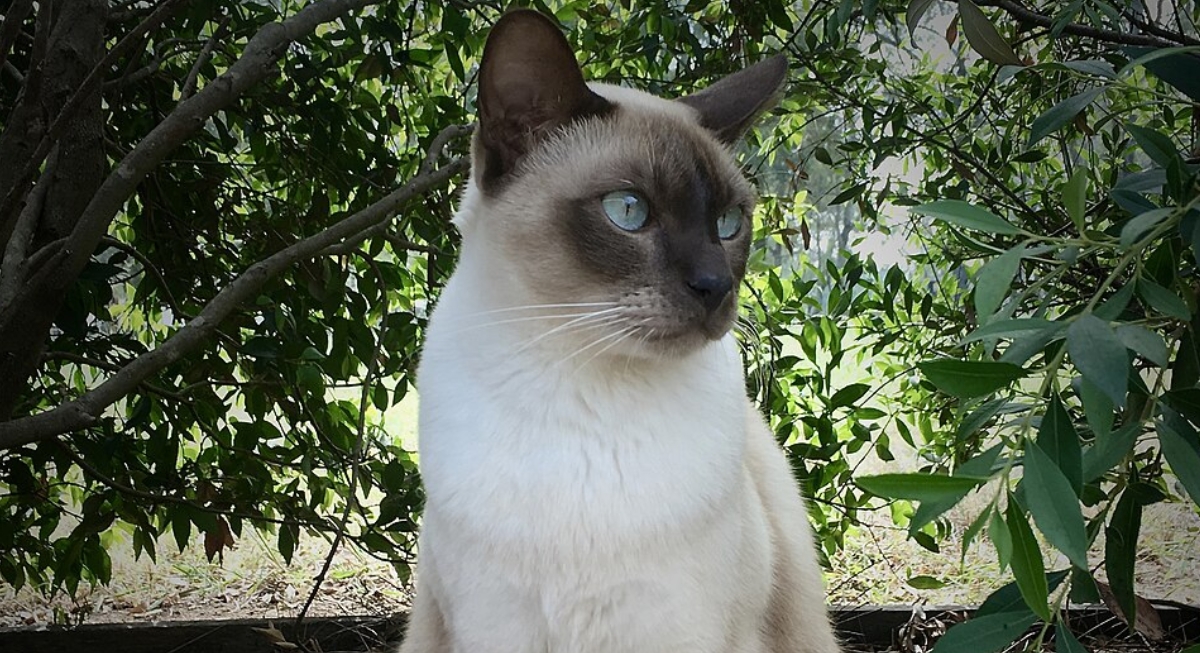
Tonkinese
Credit: Wikimedia Commons
Tonkinese cats inherited behavioral traits from both Siamese and Burmese ancestry. This explains their sustained interaction during fetch games, puzzle toys, and climbing challenges. Some even learn cabinet-opening routines or food-related patterns quickly enough that owners start childproofing parts of the house. Tonkinese cats also dislike being excluded from activity and may react loudly to closed doors or prolonged isolation.
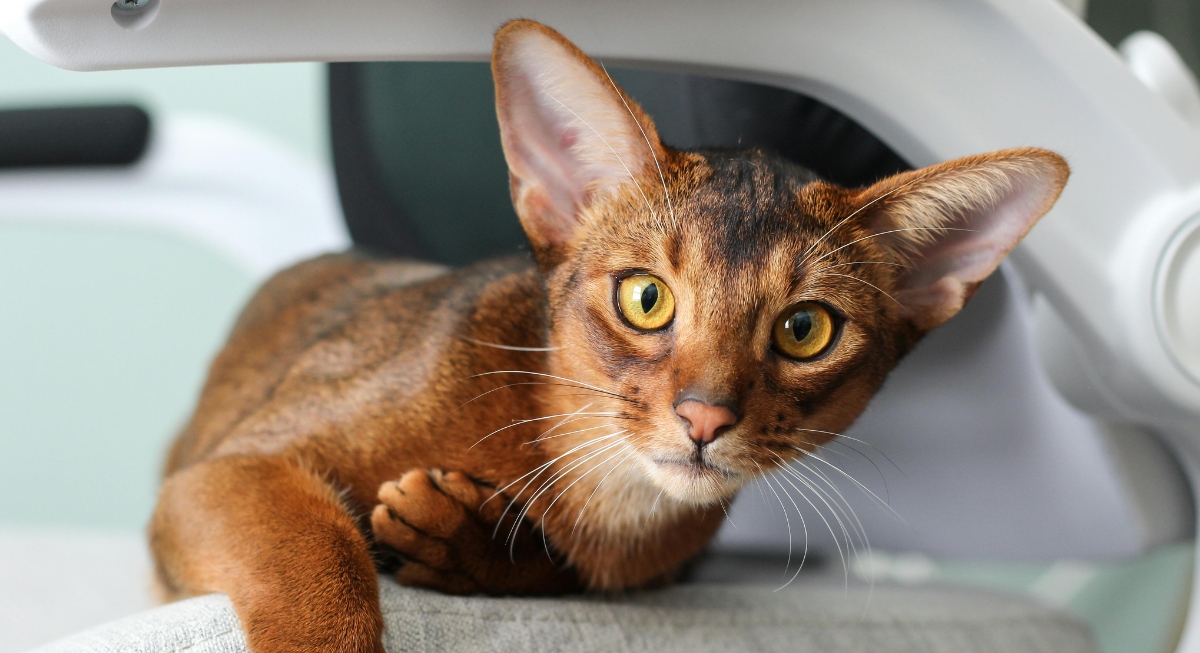
Abyssinian
Credit: pexels
Abyssinians rarely ignore what is happening around them. They climb shelves, balance on refrigerators, inspect cabinets, and look for high spots to watch household activity. Exploring seems to be part of their personality almost constantly. They also have one of the oldest recognizable cat breed appearances, with ticked coats that resemble cats shown in some ancient Egyptian artwork.
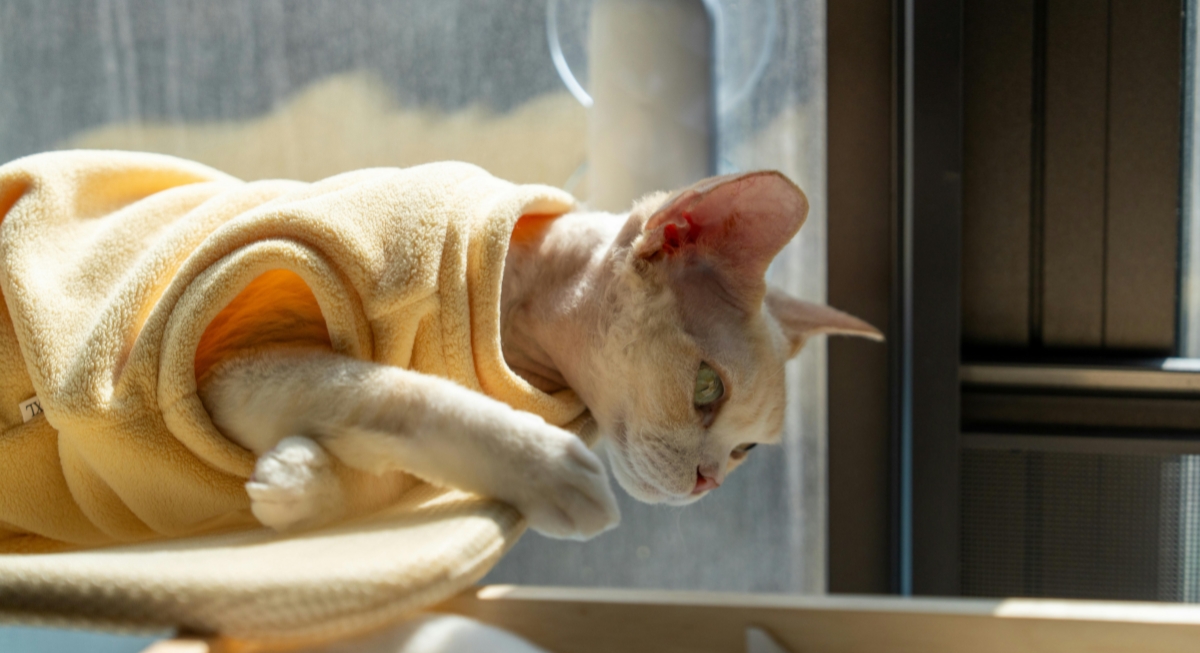
Devon Rex
Credit: pexels
Devon Rex cats have unusually large ears, oversized eyes, and wavy coats. Many perch on shoulders and climb directly onto laps during computer work. They may curl themselves against your neck and upper back as you move around the house. Their short curly coats also provide less insulation than denser furred breeds, which contributes to frequent heat-seeking behavior.
Oriental Shorthair
Credit: Wikimedia Commons
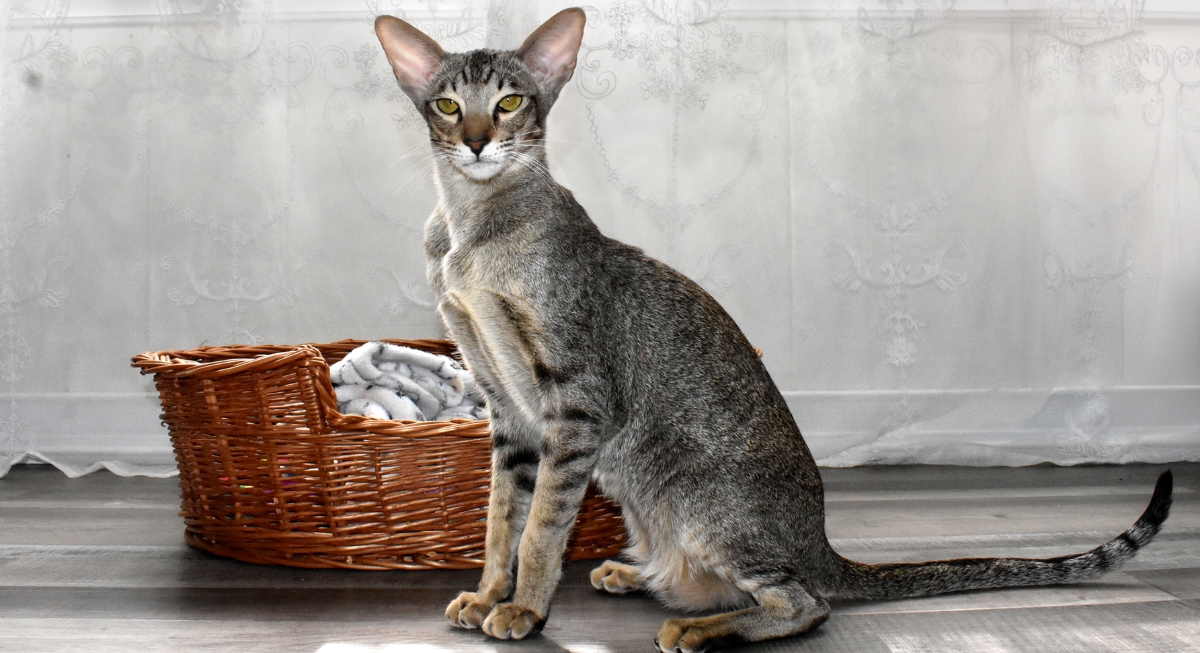
This breed belongs to the Siamese family and shares the same tendency toward vocal interaction, emotional sensitivity, and constant environmental awareness. These cats memorize routines involving feeding schedules, work habits, bedtime timing, and even specific sounds of household activity. Their thin bodies and large ears create a dramatic silhouette when they follow you, but their intelligence is the bigger challenge because boredom can escalate into obsessive or destructive behavior.
Birman
Credit: Wikimedia Commons
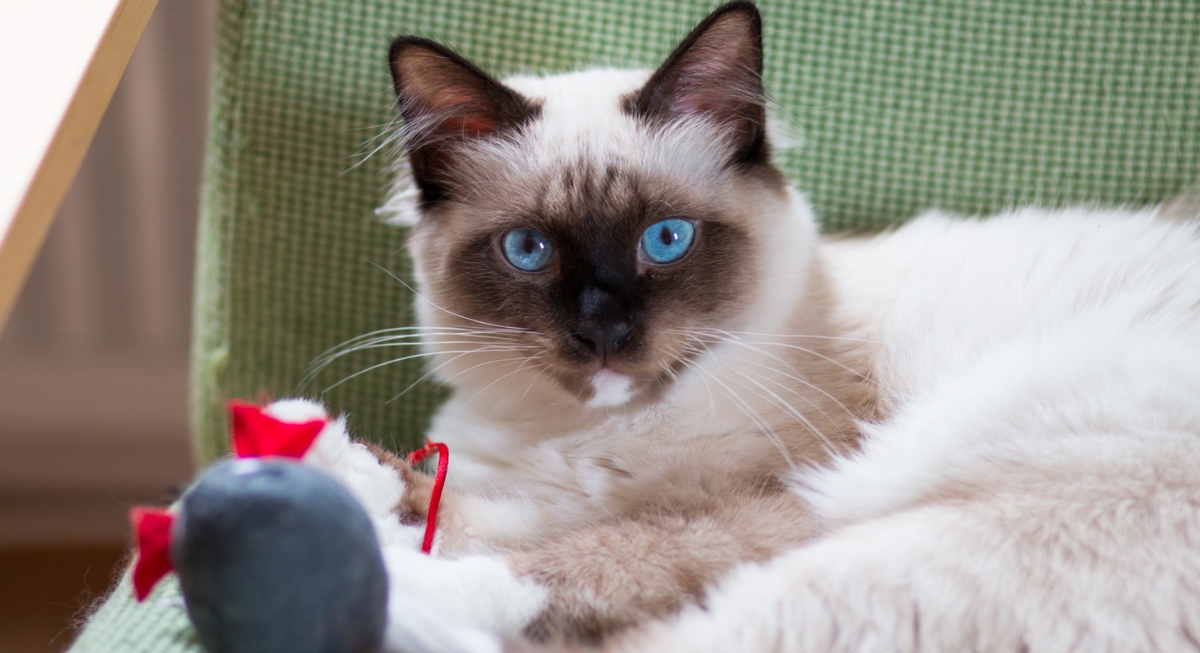
Birmans developed a calmer social style than many highly demanding companion breeds. They stay nearby and don’t ask for constant attention. The breed has been linked to temple cats in Myanmar, though modern breeding programs developed primarily in France after the early 20th century. Their pale coats gradually darken at the face, ears, legs, and tail as they mature. They form a strong attachment to routine around sleeping arrangements and evening household habits. Birmans also adapt well to multi-pet homes.