10 Secrets Your Vet Won’t Tell You to Your Face
Most vet visits are polite, efficient, and slightly rushed. There’s a lot of nodding, careful phrasing, and a sense that time is limited. Vets make quick decisions about what to address, what to postpone, and what might be better left for later. Some things get softened or skipped simply because emotions and timing matter.
Small Dogs Can Be the Most Intimidating Patients
Credit: Canva
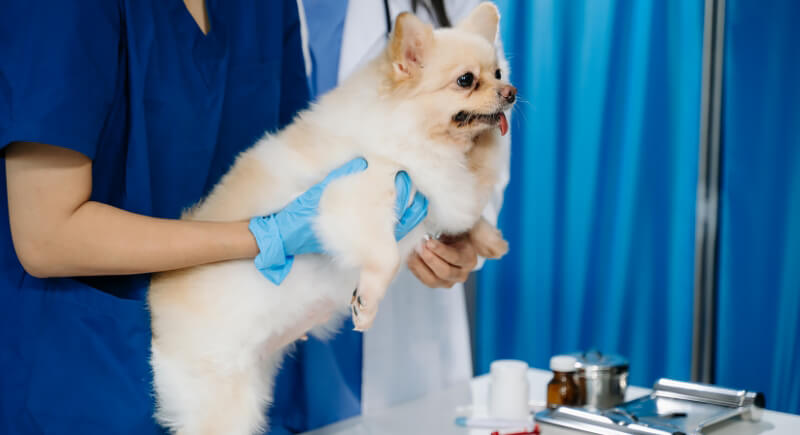
Veterinary staff tend to be more alert when very small dogs are on the exam table. Fear responses in small breeds can occur quickly, and warning signs may be subtle. A quick movement or snap puts hands at risk. Slower handling, towels, and extra support help exams stay controlled and avoid injuries.
Pet Weight Often Reflects Daily Habits at Home
Credit: Canva
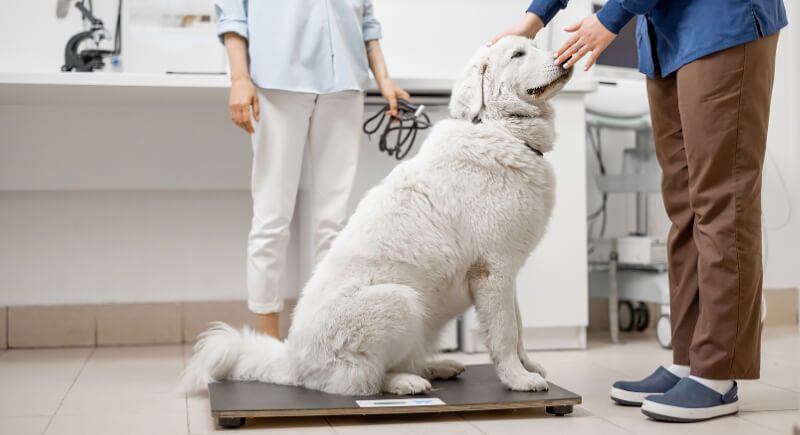
A pet’s weight is often one of the first things a veterinarian notices, even if it does not come up right away. Changes tend to build gradually, shaped by small daily routines at home that often go unnoticed in the moment. Raising the topic can feel sensitive, yet extra weight has real effects on movement, energy, and long-term health that are often underestimated.
Declining Test Limits What Medicine Can Solve
Credit: Canva
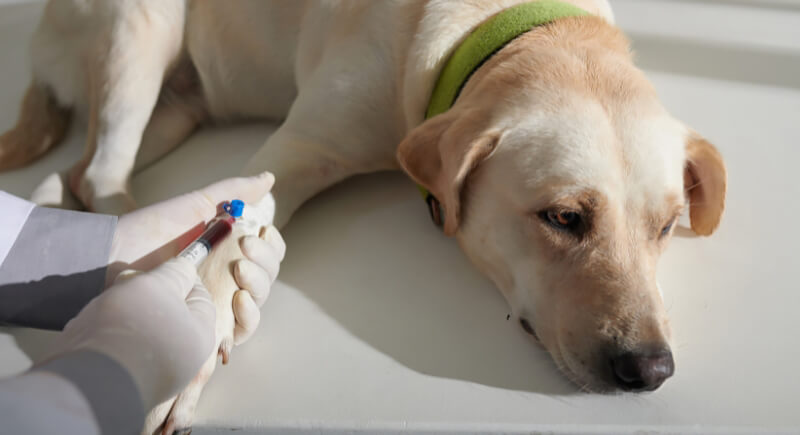
Sometimes, owners choose to skip tests, which changes the level of certainty a vet can offer. Blood work and imaging narrow down possibilities and guide treatment safely. Without them, decisions rely on probability instead of evidence. That uncertainty follows the case forward and limits a vet’s confidence in outcomes if symptoms change or worsen later.
Dog Parks Create More Injuries Than Owners Realize

Credit: Wikimedia Commons
Many bite wounds and soft-tissue injuries treated at clinics often originate from dog parks. The problem usually isn’t aggression so much as crowding. Too many unfamiliar dogs, uneven play styles, and owners spread out on phones make it hard to interrupt things early. Injuries often occur in seconds, before anyone can react.
Pain Management Helps Pets Heal Faster
Credit: chalabalaphotos
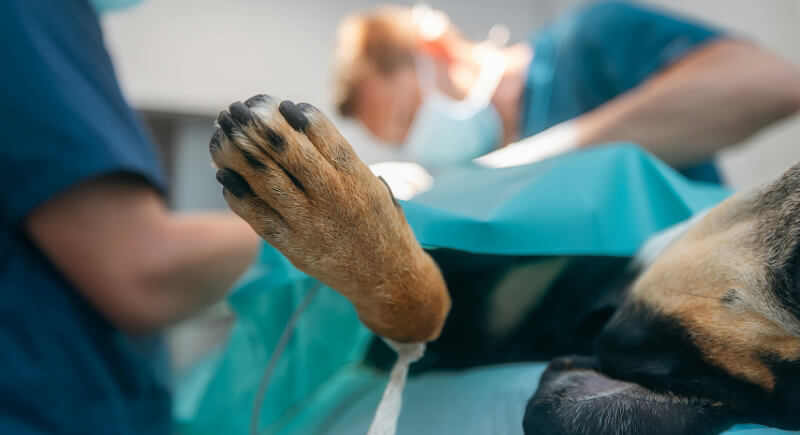
After surgery or injury, discomfort changes how animals behave in obvious ways. Pets in pain may avoid food, stay still longer than they should, or seem withdrawn during recovery. Vets now focus on managing pain early because comfortable animals regain normal movement and appetite sooner, which shortens recovery and reduces complications.
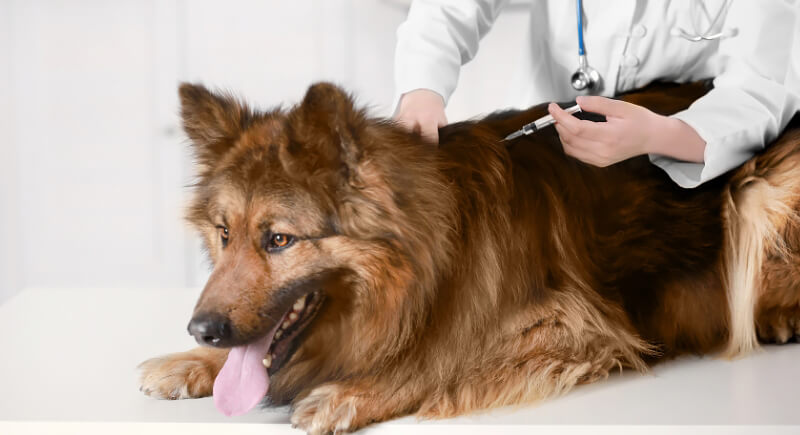
Vaccines Are Not One Size Fits All
Credit: Canva
Vaccination schedules look straightforward until you factor in how different pets actually live. An indoor cat, a boarding dog, and a rural farm animal face very different risks. That’s why some pets get boosters more often while others don’t. The goal is coverage that fits real exposure, not habit.
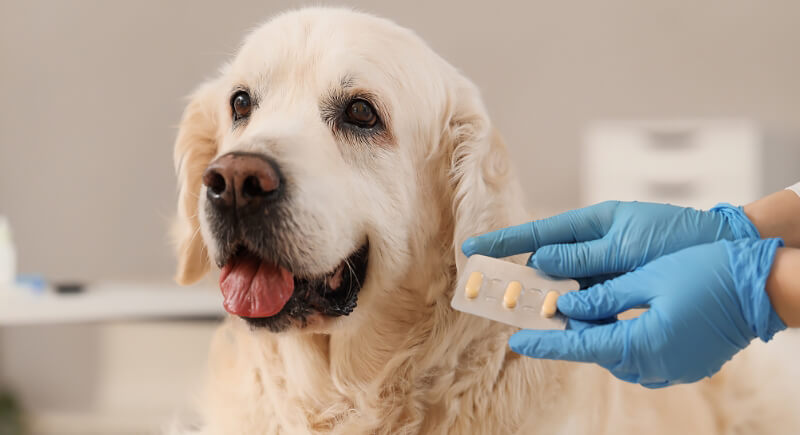
Pet Medications Can Cost Less Elsewhere
Credit: Canva
Many animal prescriptions are the same drugs people take, just at different doses. Prices vary widely depending on where they’re filled. Some owners discover significant savings through local pharmacies or mail-order options. The important part is matching the formulation correctly, since not every human formulation is safe for pets.
Online Searches Complicate More Than They Help

Credit: pexels
Symptoms overlap far more than search results suggest, as a limp, appetite change, or cough can point to several unrelated problems. Waiting for clarity online often delays care until the situation worsens. By the time pets arrive at the clinic, the situation has usually become more complicated and expensive to resolve.
Clinic Staff Remember How Visits Feel
Credit: Canva
Every appointment builds on the last one because when a visit is tense, it can affect how the next one goes, including how cautiously a pet is handled and how long things take. Calm, respectful visits usually make future appointments easier, especially when something unexpected comes up.
Choosing the Right Pet Prevents Regret

Credit: Getty Images
Problems tied to a poor match don’t usually show up right away. A high-energy dog in a small space may seem fine at first, then slowly develop anxiety or destructive habits. Pets left alone too often can struggle in similar ways. By the time these issues surface at a clinic, they’re usually woven into daily life and difficult to reverse.