Questions Veterinarians Secretly Wish Every New Puppy Owner Would Ask at the First Visit
Bringing home a new puppy usually comes with a long list of questions, though many owners focus on the obvious things first like vaccines, food, and basic care. Veterinarians often wish people would also ask about behavior, training habits, parasite prevention, and the small warning signs that can turn into bigger health problems later. The first visit is not just a quick checkup for a puppy. It is also the point where owners can avoid a lot of stress, confusion, and costly mistakes down the road.
What Vaccines Does My Puppy Actually Need, And When?
Credit: Getty Images
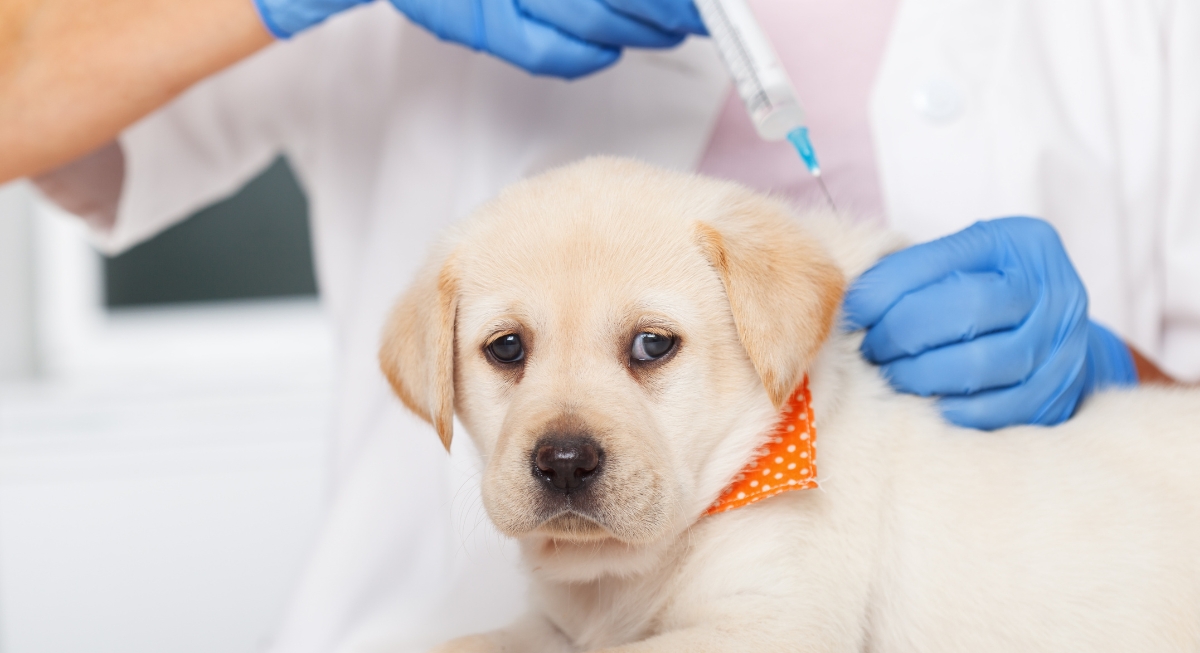
Veterinarians usually spend part of the first appointment correcting vaccine confusion. Puppies do not receive one shot and become protected immediately because maternal antibodies interfere with early vaccination response. That is why core vaccines get repeated every few weeks during early development. Rabies laws also vary depending on state or local regulations. Some puppies need additional protection beyond standard core vaccines if they visit dog parks, grooming facilities, daycare programs, or heavily wooded regions.
Which Parasite Preventives Should My Puppy Start Now?
Credit: Wikimedia Commons
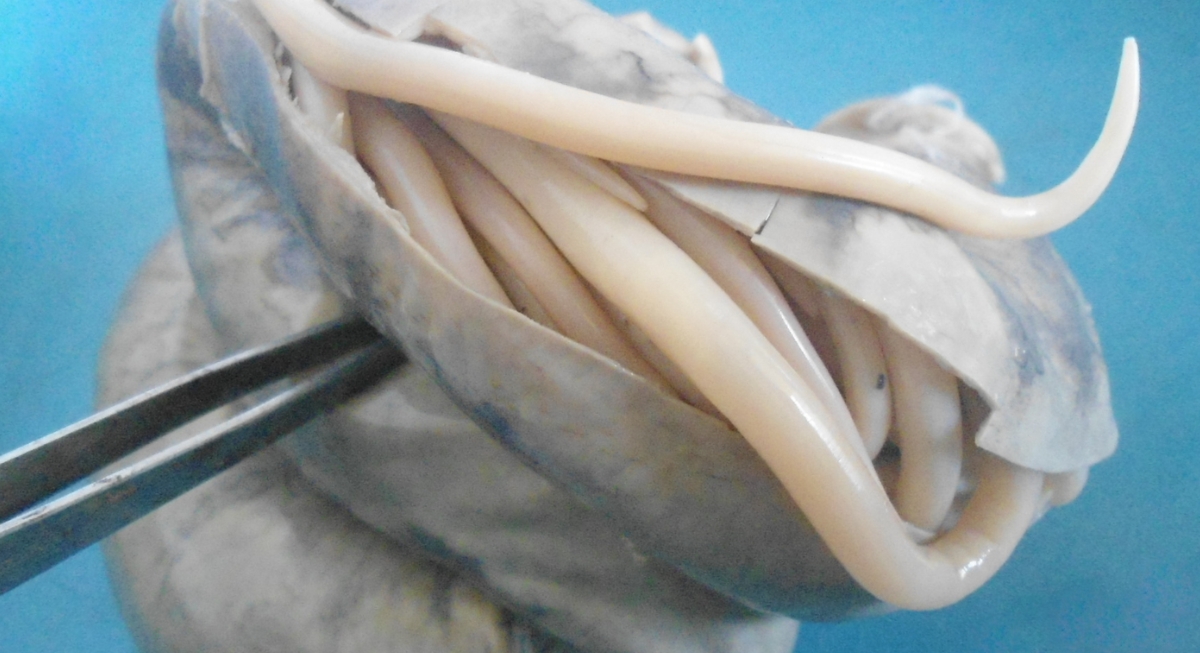
Many puppies can already be carrying parasites during their first visit. Roundworms and hookworms commonly pass from mother dogs to puppies before birth or through nursing. Deworming needs to start early, even when puppies appear healthy. Fleas create additional problems because severe infestations can trigger anemia in young dogs. Heartworm prevention also becomes important sooner in mosquito-heavy regions. Veterinarians usually develop parasite plans based on geography, climate, outdoor exposure, and household risk factors.
Is My Puppy’s Weight And Growth On Track?
Credit: Canva
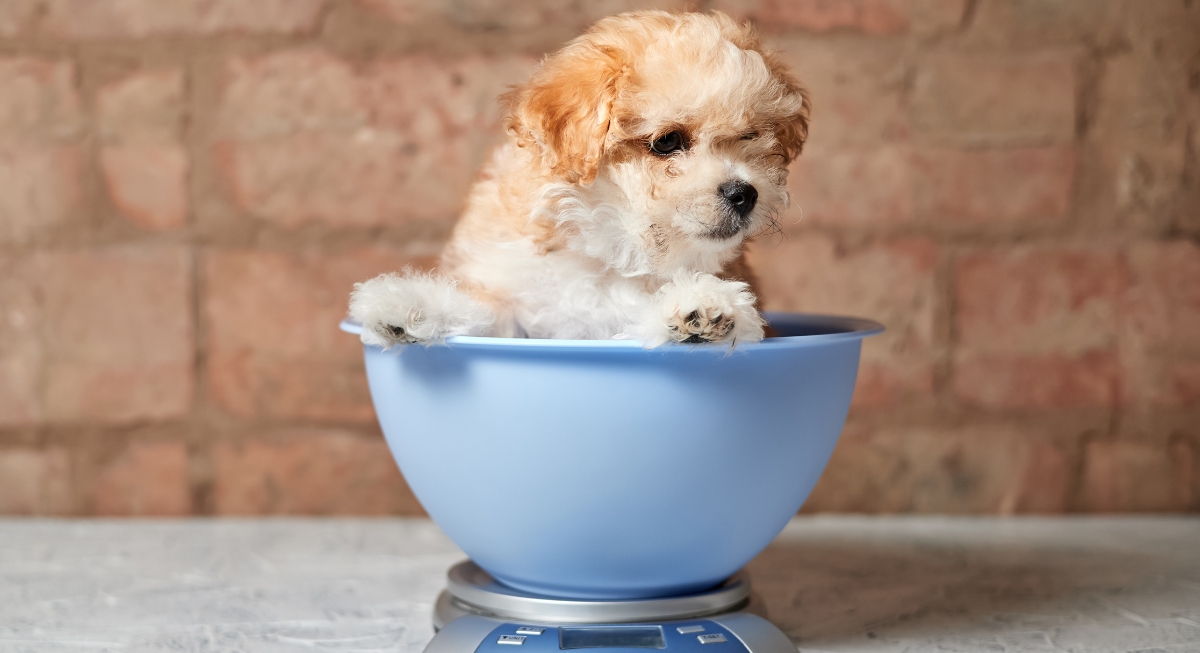
Veterinarians pay close attention to puppy growth because owners often misread healthy weight, especially in large breeds or fluffy dogs. Growth that happens too fast can strain developing joints, while slower growth may point to health or nutrition concerns. Breed matters heavily here since a Labrador puppy and a Chihuahua puppy should never follow the same growth pattern at the same age.
What Food Should I Feed, And How Much?
Credit: Getty Images
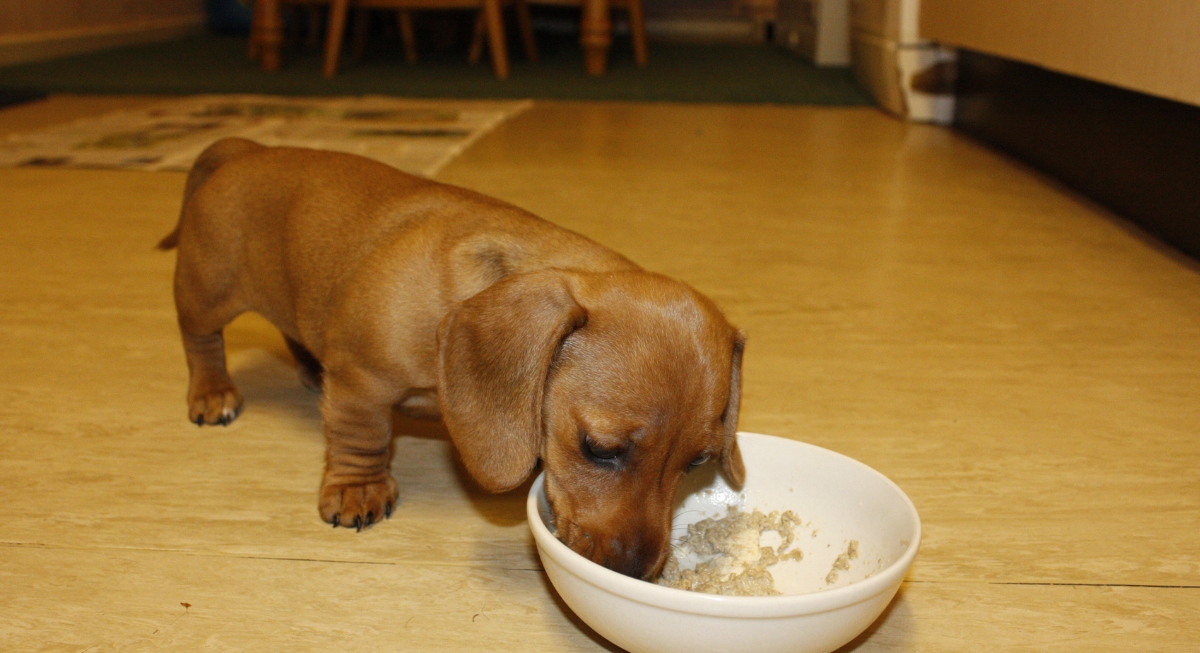
Vets also watch for signs that may suggest nutritional imbalance or orthopedic concerns requiring earlier intervention. To prevent nutritional imbalance, pet food should be backed by feeding trials and veterinary nutrition standards. Shopping aisles can overwhelm new owners with all the grain-free labels, raw diets, boutique brands, freeze-dried formulas, and social media feeding trends.
What Symptoms Should Make Me Call The Vet Immediately?

Credit: pixabay
Young puppies can get seriously sick much faster than many owners realize. Occasional stomach upset may pass quickly, but repeated vomiting, refusal to eat, bloody diarrhea, breathing trouble, seizures, pale gums, or severe bloating need immediate attention. Veterinarians often wish more owners understood how quickly dehydration and illness can become dangerous in puppies, especially when people wait too long deciding whether to call the clinic.
How Should I Handle Socialization Before All Vaccines Are Finished?
Credit: Getty Images
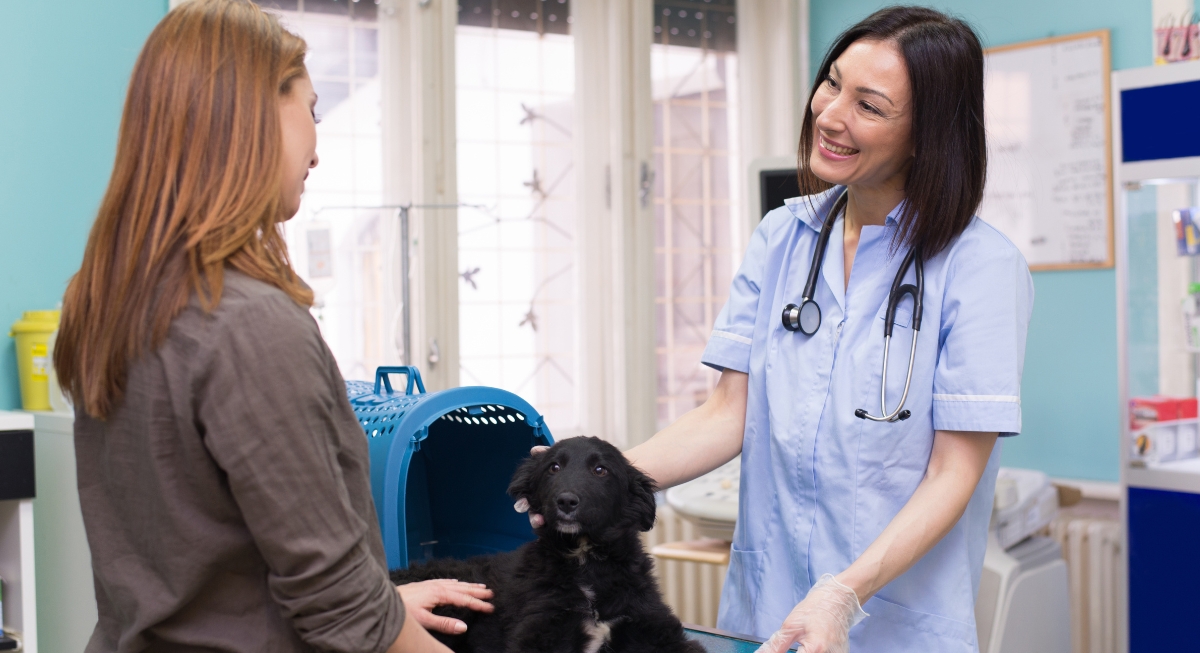
Veterinarians now approach puppy socialization more carefully because behavioral development matters alongside disease prevention. Puppies go through an important socialization stage before their vaccine schedule is fully finished, and missing that period can increase fear and anxiety later. That does not mean taking a young puppy straight to busy dog parks. Controlled exposure to people, sounds, places, and healthy vaccinated dogs is usually the safer approach.
What Is The Safest Plan For House Training And Crate Training?
Credit: Canva
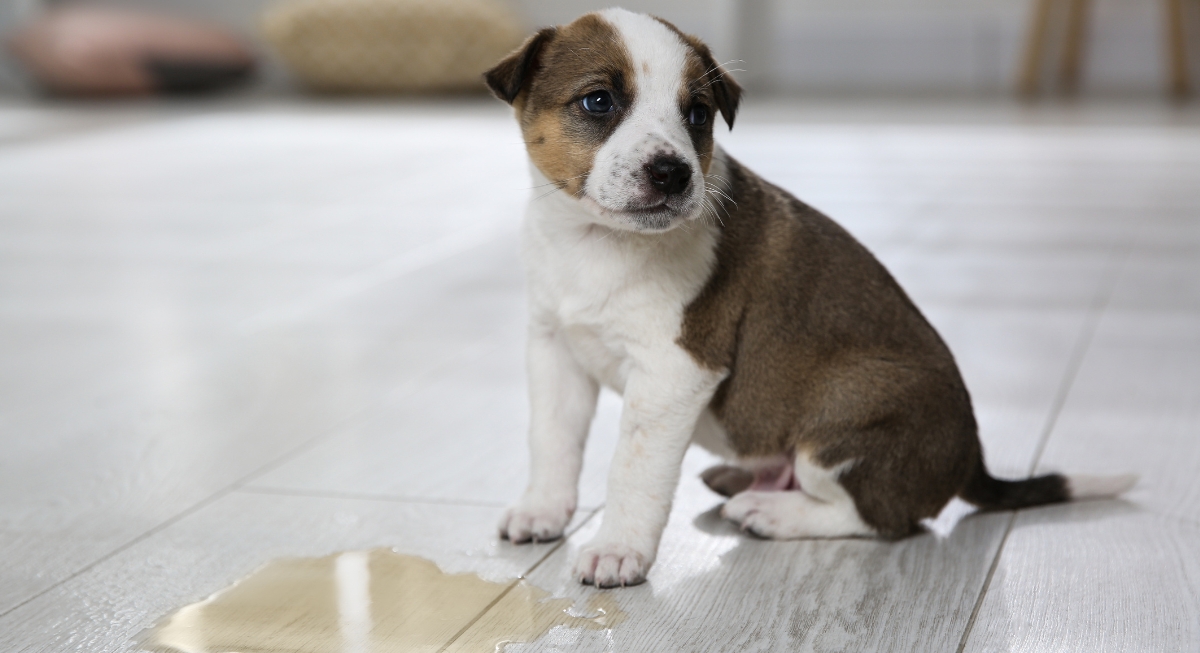
Veterinarians hear plenty of crate-training horror stories tied to unrealistic expectations. Young puppies cannot hold urine for long because bladder control develops gradually. Successful house training usually depends more on scheduling and supervision than punishment. A puppy forced into long periods of confinement may develop a fear of the crate itself. Some owners accidentally create setbacks by giving puppies too much freedom too early, especially overnight or during unsupervised daytime hours.
When Should I Start Dental Care, Grooming, And Nail Trims?
Credit: Getty Images
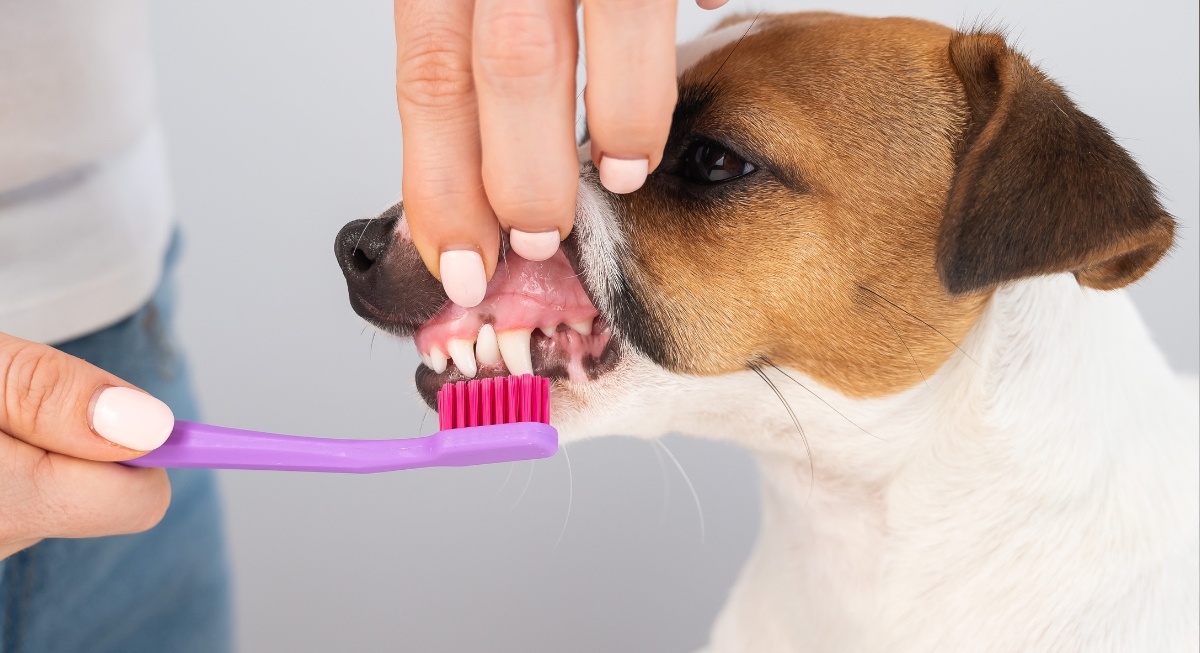
Many adult dogs hate grooming because they weren’t consistently handled during puppyhood. Veterinarians prefer introducing tooth brushing, ear checks, nail trims, bathing, and brushing before the puppy becomes large enough to resist physically. A few seconds of paw handling each day usually leads to better long-term cooperation. Breed also changes the timeline considerably. Poodles, doodles, and long-coated breeds may require professional grooming much earlier than short-haired dogs. Dental care should also start early because plaque buildup begins before any visible tartar.
What Behavior Issues Should I Address Early?
Credit: Canva
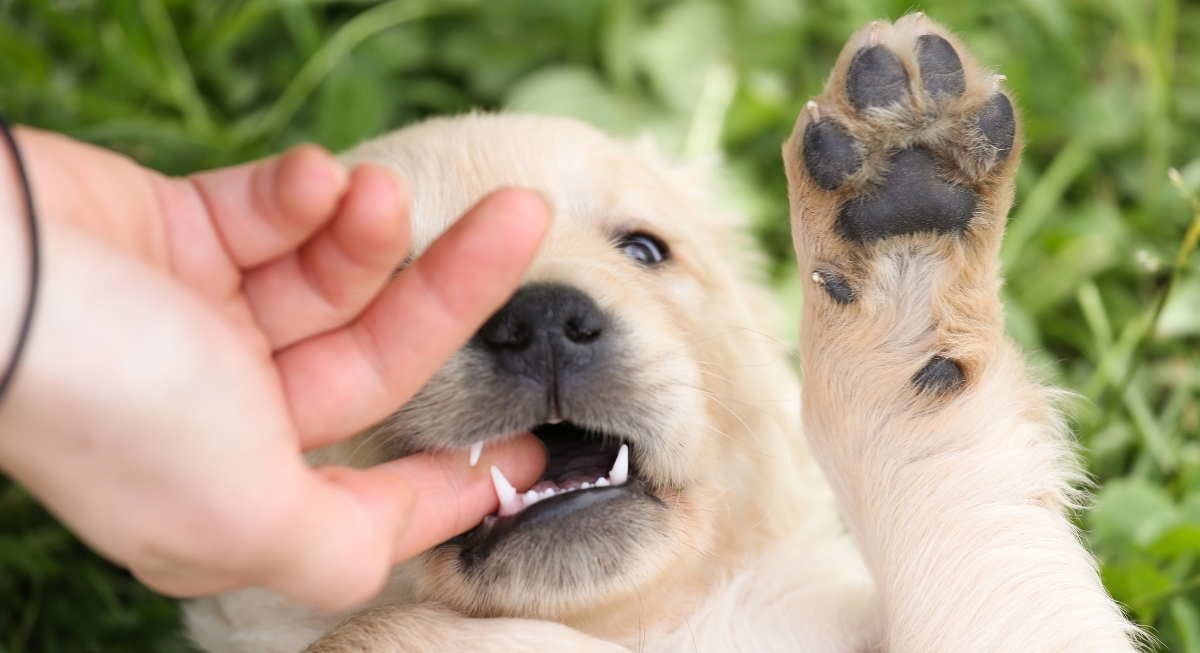
A lot of puppy behaviors seem harmless at first, though jumping, mouthing, leash biting, guarding food, and separation distress can become much harder to manage once the dog gets bigger. Some breeds also exhibit natural tendencies toward herding, guarding, or excessive barking. Veterinarians often spot early signs of anxiety or behavioral stress during appointments, which helps owners understand what part of normal puppy development is and what may need training support early on.
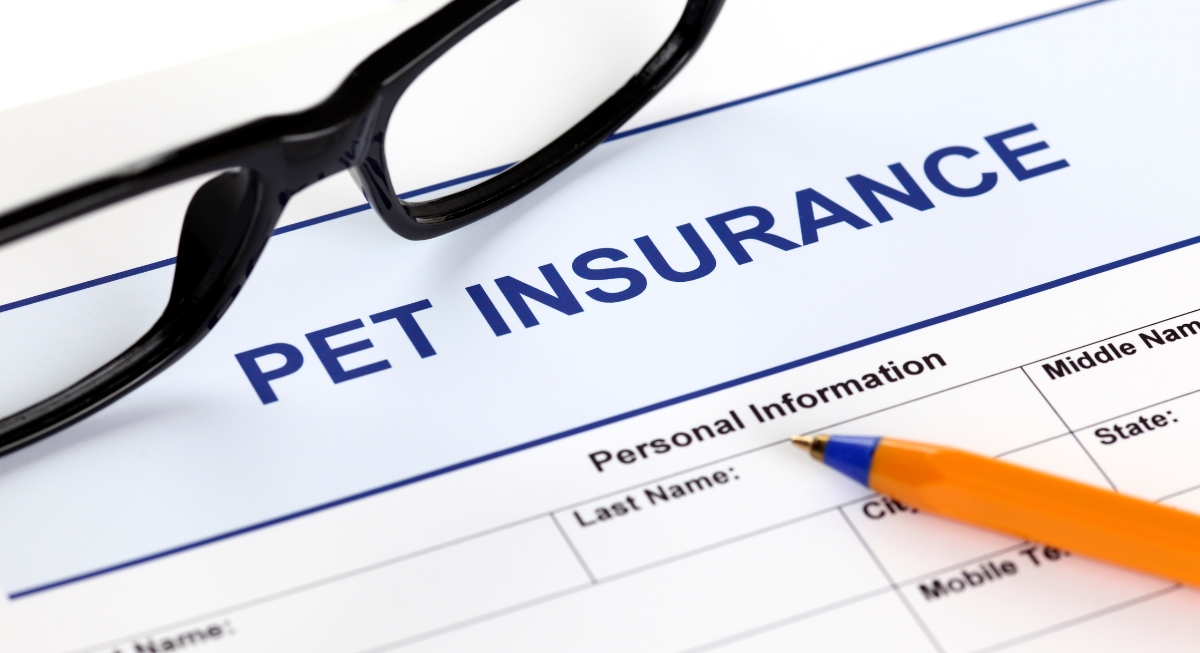
Should I Get Pet Insurance Or Plan For Future Medical Costs?
Credit: Getty Images
Many new owners underestimate how expensive veterinary care becomes during emergencies. A swallowed sock, broken leg, parvovirus hospitalization, or cruciate ligament surgery can cost thousands of dollars unexpectedly. Owners should discuss finances proactively from the start. Pet insurance is most useful before major diagnoses are made, because later conditions may be excluded from coverage.