10 Carrier Pigeons That Saved Lives in Wartime
In the past, armies often depended on pigeons to carry messages. When communication lines failed during war, these birds became lifelines between soldiers and commanders. Homing pigeons could fly more than 60 miles per hour and travel hundreds of miles in a day. They could easily navigate through smoke, storms, and gunfire with remarkable accuracy.
During World War I alone, hundreds of thousands of pigeons served alongside soldiers. Their job was simple but dangerous. In many cases, a single pigeon flight meant the difference between disaster and survival.
Cher Ami
Credit: National Museum of American History
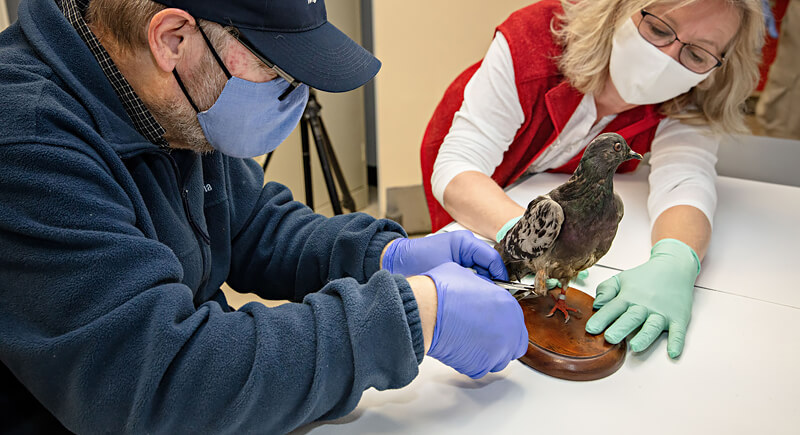
During World War I, a pigeon named Cher Ami carried one of the most remarkable messages in military history. In October 1918, more than 500 American soldiers from the 77th Division became trapped behind German lines during the Meuse-Argonne Offensive and were mistakenly being shelled by their own artillery. With every other line of communication gone, they released their final pigeon. Despite being shot in the chest and losing part of a leg, Cher Ami flew about 25 miles and delivered the message that stopped the barrage, saving around 200 soldiers.
G.I. Joe
Credit: X
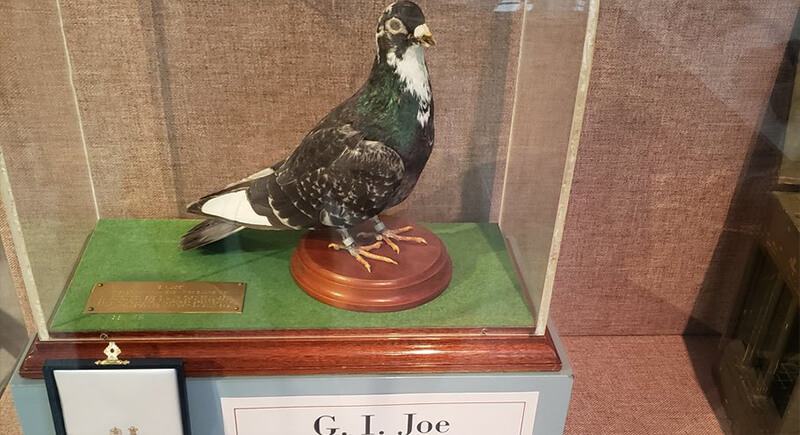
In October 1943, Allied bombers prepared to strike the Italian town of Calvi Vecchia, believing German forces were still inside. In reality, the Germans had already withdrawn, and British troops had moved in. Their radio messages failed, so they released a pigeon named G.I. Joe with an urgent warning. The bird flew about 20 miles in 20 minutes and reached Allied command just before the bombing began, stopping the attack and saving roughly 1,000 soldiers and civilians.
Mary of Exeter
Credit: Substack
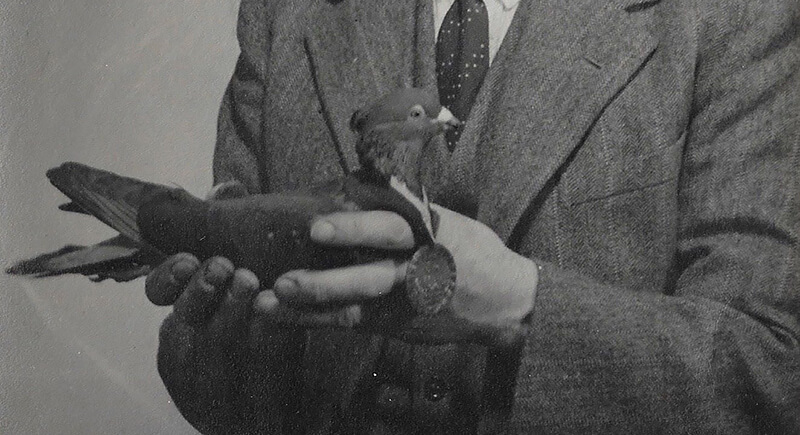
Mary of Exeter worked for Britain’s National Pigeon Service during World War II, carrying secret messages between occupied France and England. Her award-winning wartime career became legendary not just for the missions she completed, but also for how many times she survived serious injuries. During one flight, German-trained hawks wounded her midair, which required 22 stitches. On another mission, gunfire tore away part of her wing and left pellets embedded in her body. Later, shrapnel struck her neck so badly that handlers fitted her with a leather collar to help her function.
Mocker
Credit: Instagram
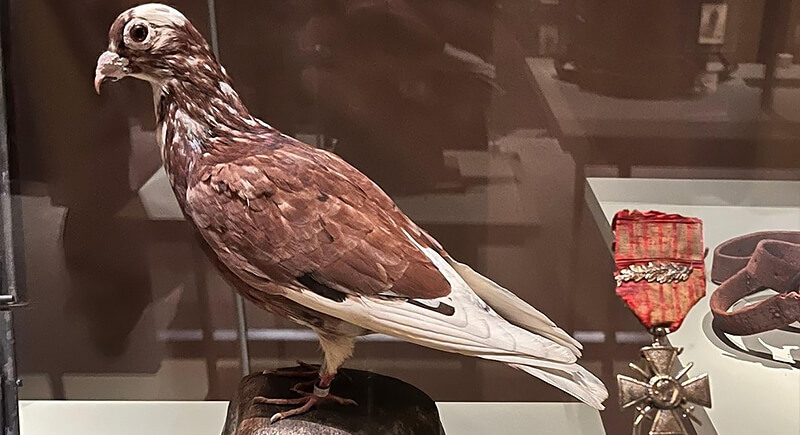
Mocker was one of the most dependable pigeons used by American forces during World War I, completing 52 missions carrying messages between front-line troops and headquarters. His final mission nearly killed him. A shell fragment struck his head, destroying one eye and damaging his skull. Even badly injured, Mocker kept flying and delivered a message revealing the location of German artillery. Within 20 minutes, American forces destroyed the gun battery, helping U.S. troops capture Beaumont, France.
Paddy
Credit: RTE
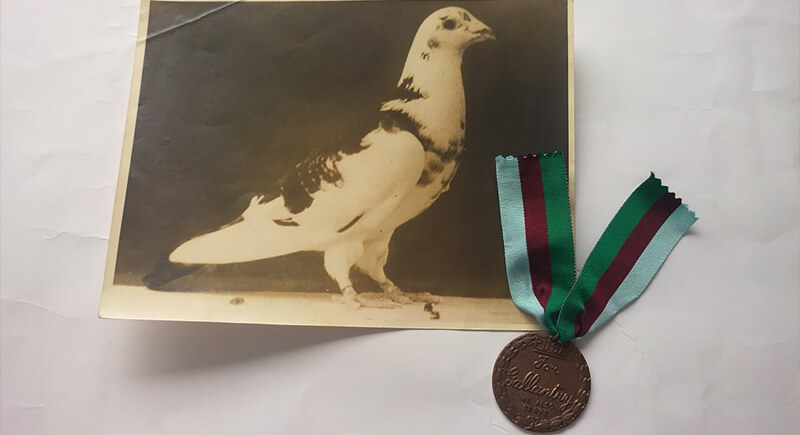
When Allied forces launched the D-Day invasion of Normandy in June 1944, communication between landing troops and command centers was chaotic. Radios failed, lines were cut, and units often had no way to report what was happening on the beaches. One of the messenger pigeons that filled that gap was Paddy, a bird trained with the Royal Air Force. Paddy carried reports about the progress of the Allied landings across the English Channel despite harsh weather and the threat of German falcons trained to intercept pigeons. Flying at speeds close to 56 miles per hour, Paddy became one of the fastest pigeons involved in the D-Day operation.
Commando
Credit: Wikipedia
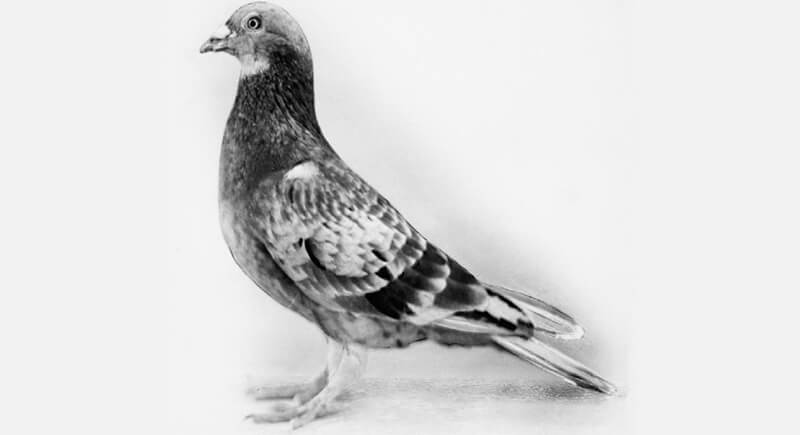
Commando completed an astonishing 90 missions during World War II, carrying intelligence from German-occupied France to Allied forces in Britain. The messages Commando carried often contained details about troop movements, defensive positions, and other intelligence that helped Allied forces prepare their operations. Many of his most important flights occurred in 1942, when resistance networks and intelligence agents relied on pigeons to send information back to the British Special Operations Executive.
President Wilson
Credit: ABC News
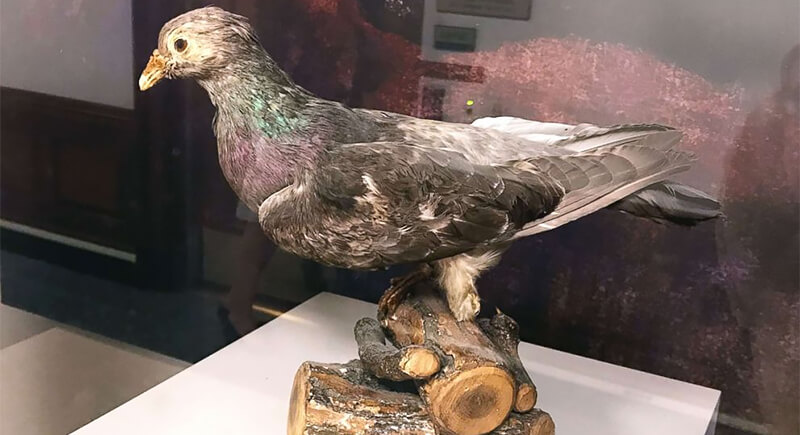
President Wilson was a carrier pigeon used by American forces during World War I, first with the U.S. Tank Corps and later with infantry units during the Meuse-Argonne Offensive. Tank crews depended on pigeons to report enemy positions and battlefield conditions. During one mission, German soldiers shot at him as he took off. Wilson was badly wounded, losing a leg and suffering chest injuries. Even so, he kept flying, delivered the message requesting artillery support, and survived the war.
Winkie
Credit: Instagram
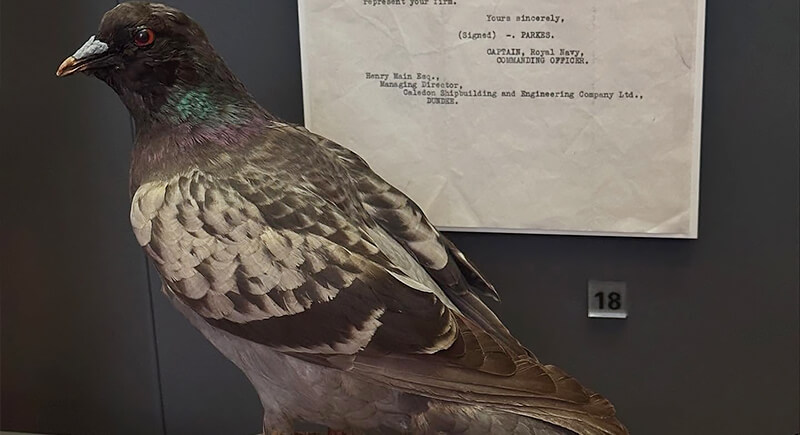
On February 23, 1942, an RAF bomber returning from a mission in Norway crashed into the freezing North Sea. Before abandoning the aircraft, the crew released their emergency pigeon, Winkie. The bird flew more than 120 miles across open water to reach its loft in Scotland. Winkie carried no message, yet the timing of his arrival helped the RAF estimate where the plane had gone down. Rescue crews soon reached the site and saved all four airmen.
White Vision
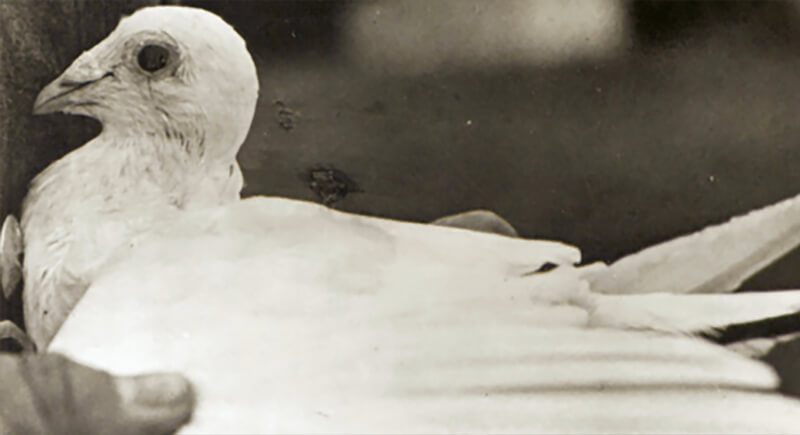
Credit: PDSA
White Vision served with the Royal Air Force during World War II and played a key role in rescuing a stranded aircrew. In October 1943, a Catalina flying boat patrolling the North Sea lost radio contact during severe weather. When the aircraft crashed into the water, the crew released White Vision with a message describing their situation. The pigeon battled powerful winds as she flew about 60 miles back to her loft. The message reached rescue teams, who restarted the search and eventually located the downed aircraft. After spending 18 hours in the freezing sea, all 11 crew members were rescued.
William of Orange
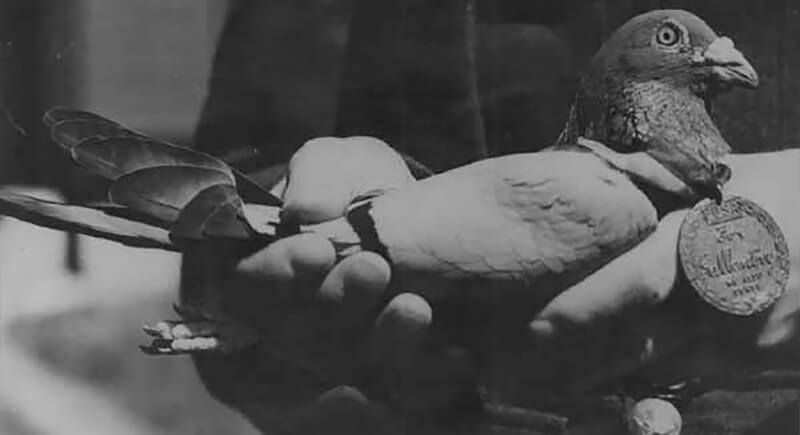
Credit: RPRA
During the Battle of Arnhem in September 1944, Allied airborne troops became surrounded by German forces, and communication quickly broke down as radios failed and supply lines were cut. One of the few messages to reach headquarters came from a pigeon named William of Orange. Released by trapped British soldiers, the bird flew about 250 miles back to the United Kingdom with crucial updates from the battlefield. The message helped reconnect isolated units with command and shaped decisions affecting thousands of Allied troops.