10 Ways AI Is Changing How Scientists Count and Track Wild Animals
Wildlife research gets less exciting when the real work starts sorting through data. A single trail camera might capture a bear, but it also records hundreds of useless shots triggered by wind, shadows, or background movement. Over weeks and months, that turns into huge piles of repetitive images. AI helps by filtering out the empty frames so researchers can spend their time on actual animal activity and real ecological patterns.
Camera-Trap Backlogs Are Shrinking
Credit: Wikimedia Commons
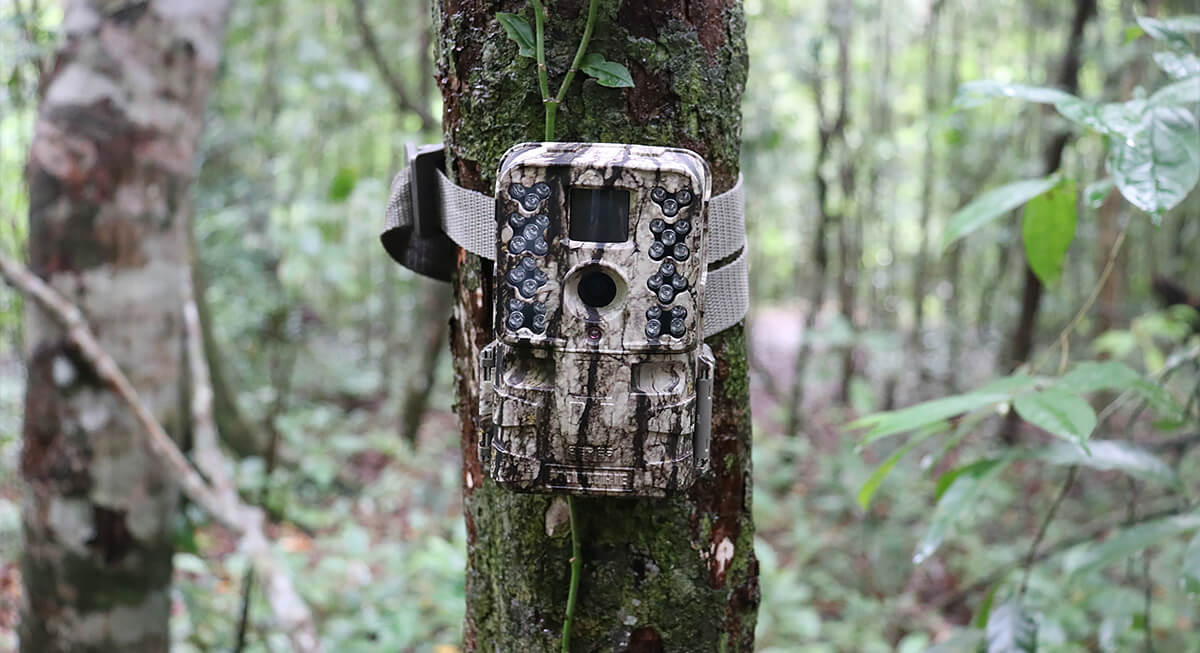
Camera traps collect field evidence for months before handing scientists a massive backlog of data. In a study led by Washington State University and Google, automated image processing reduced a six-to-twelve-month cataloging process down to just a few days. This allows wildlife teams to begin analysis immediately without waiting for manual labels on thousands of individual photos.
Species ID Gets A Speed Boost
Credit: Wikimedia Commons
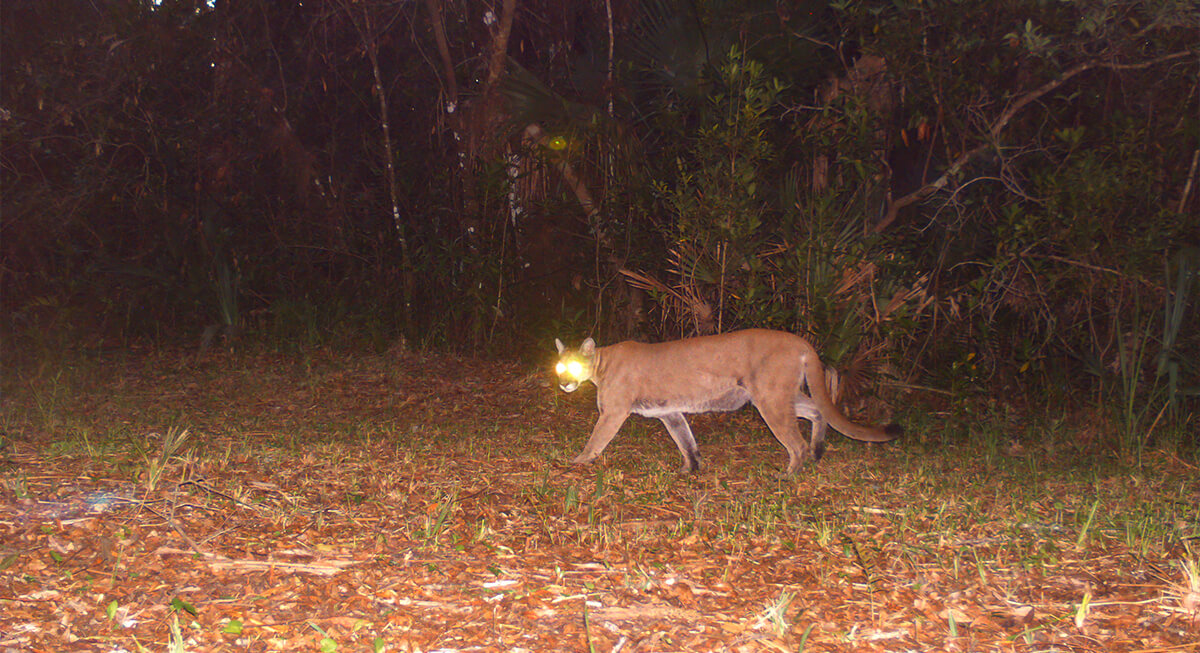
In the past, researchers dealing with blurry night images had to manually zoom in, compare ear shapes, check tail markings, and hope the camera angle would cooperate. SpeciesNet now provides camera-trap initiatives with a rapid initial identification label. This model detects animal species in wildlife photography to accelerate conservation research.
The Final Science Can Still Hold Up
Credit: Wikimedia Commons
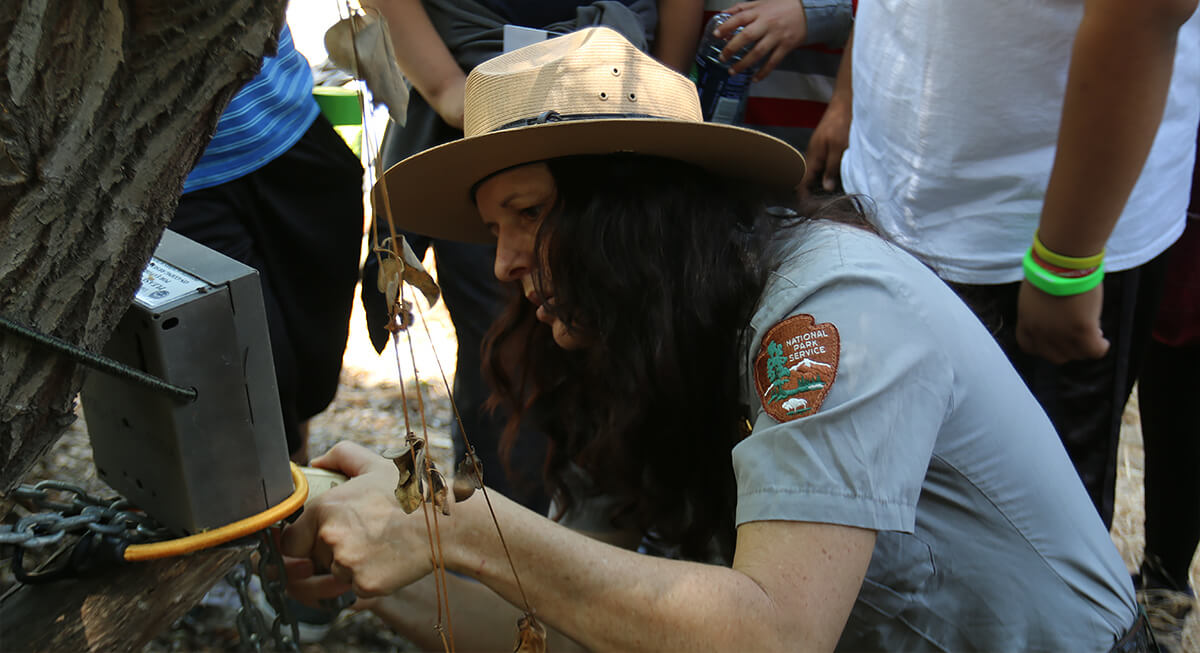
The collaborative study between WSU and Google explored a practical question regarding whether automated labels yield identical ecological conclusions. The findings indicate high reliability across many species. AI-generated data matched human-validated results in approximately 85% to 90% of instances for critical metrics, such as animal distribution and environmental influences.
Rare Animals Stay On The Watch List
Credit: Wikimedia Commons
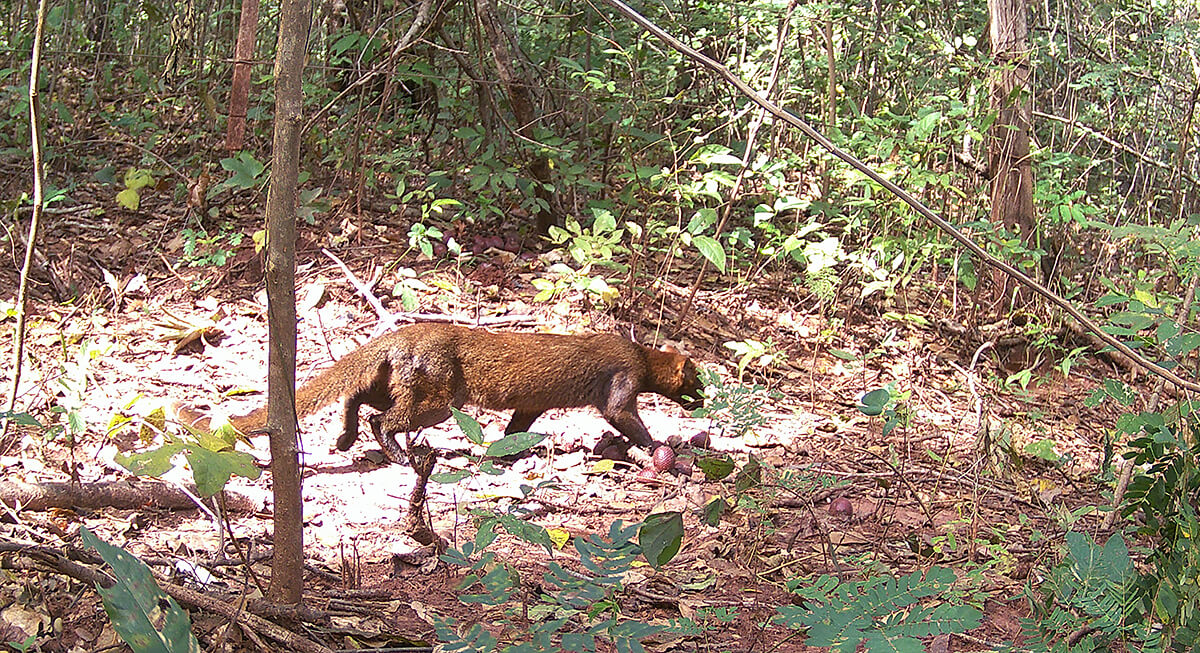
AI still struggles when an animal is rare, mimics another species, or appears in a low-quality photo. Washington State University researchers note that automated detection struggles with uncommon or lookalike animals. Human verification remains essential to the workflow whenever a flawed identification could disrupt surveys, habitat decisions, or protection initiatives for vulnerable wildlife.
Individual Animals Leave A Photo Trail
Credit: Wikimedia Commons
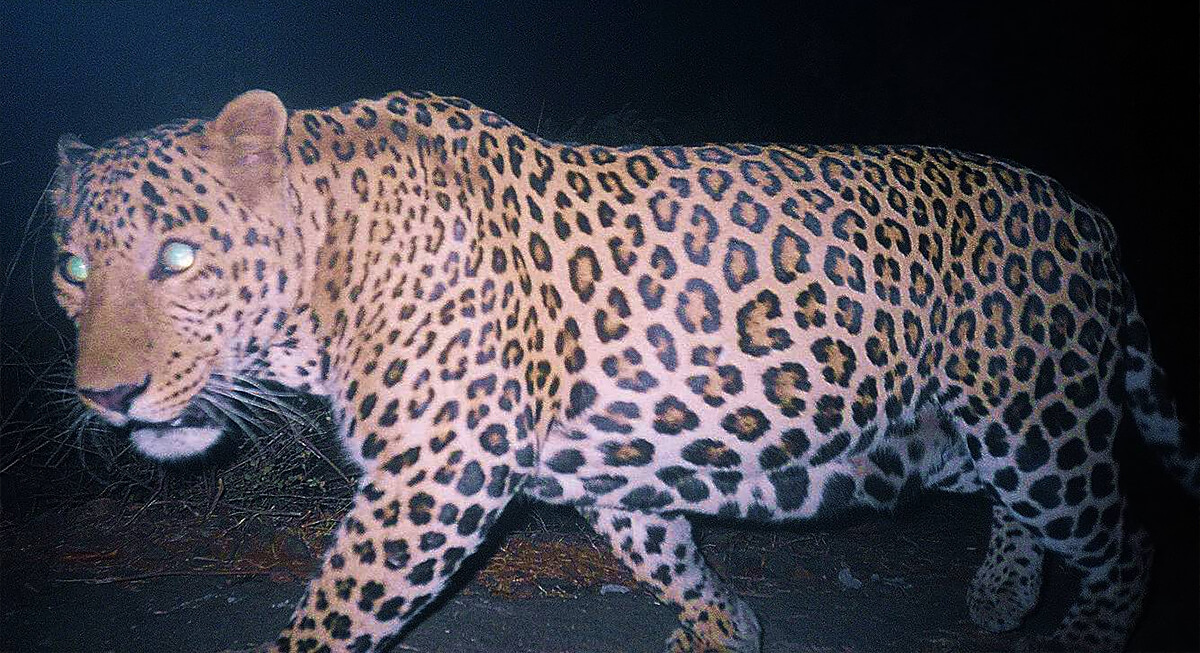
A leopard’s spots or a whale’s markings serve as natural identification cards. Wildbook helps researchers track individual animals and estimate population sizes across wildlife studies. This technology transforms a simple photograph from an isolated sighting into an entry within a long-term record. When the same animal appears in a different location, scientists gain much clearer insights regarding migration patterns, survival rates, and overall population trends.
Hidden Animals Can Be Counted By Sound
Credit: Wikimedia Commons
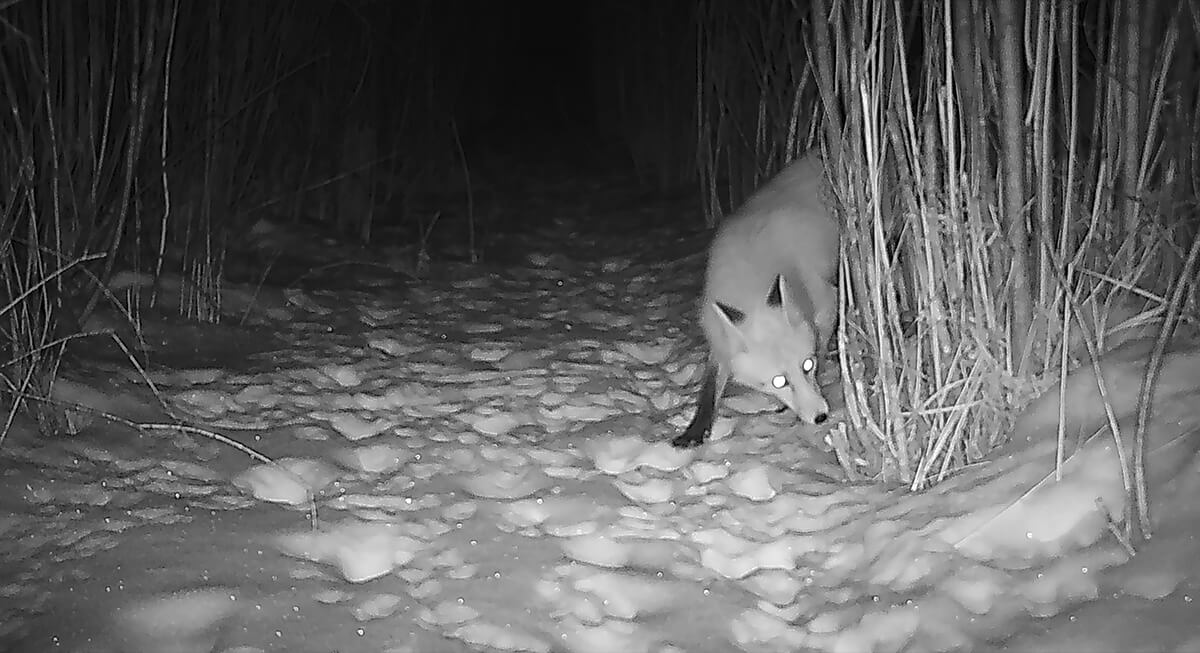
Visual cameras often miss elusive creatures hiding in dense foliage, deep water, or nocturnal darkness. Microphones provide a highly reliable alternative for tracking these species. Cornell’s conservation bioacoustics initiative uses passive acoustic monitoring to evaluate the abundance and distribution of birds, fish, amphibians, insects, and land mammals. Automated audio tools streamline the analysis of long recordings, allowing scientists to pinpoint rare species that seldom appear on film.
Invasive Hornets Raise The Alarm Sooner
Credit: Wikimedia Commons
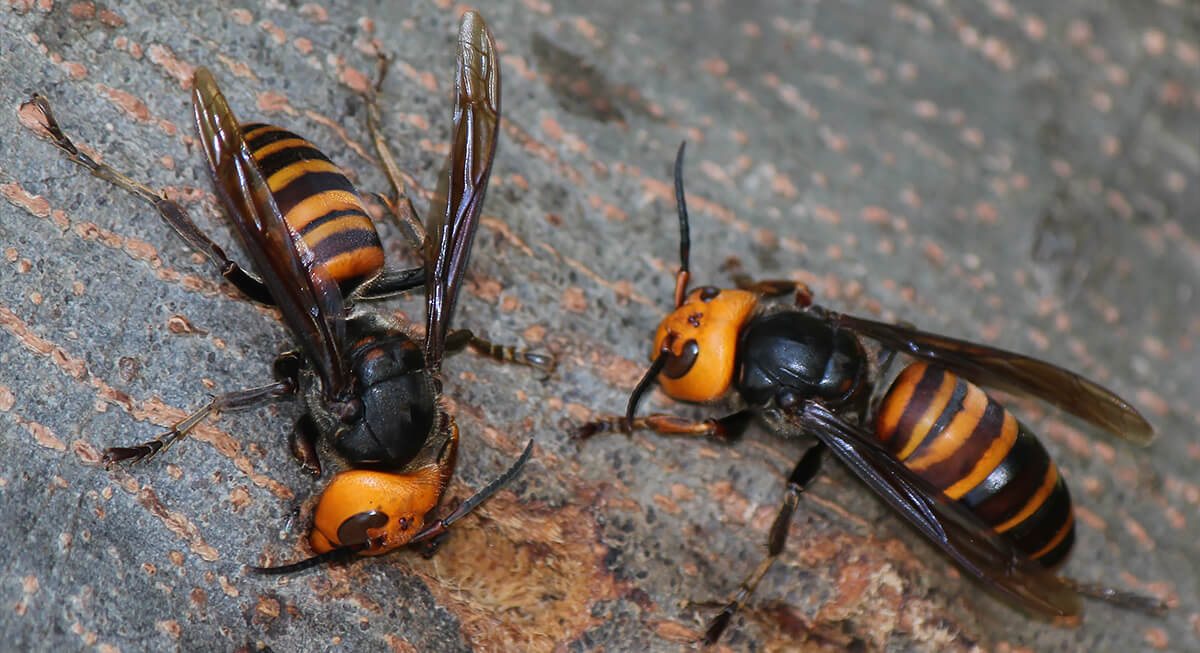
It’s easier to manage a new invasive species before it settles in. Researchers at the University of Exeter developed VespAI, a specialized monitoring station that attracts hornets and captures standardized images using an overhead camera. The system deploys artificial intelligence to identify invasive Asian hornets and trigger an alert. This provides response teams with precise data for rapid deployment, reducing the dependence on inconsistent public sightings.
Distant Study Sites Become Easier To Compare
Credit: Wikimedia Commons
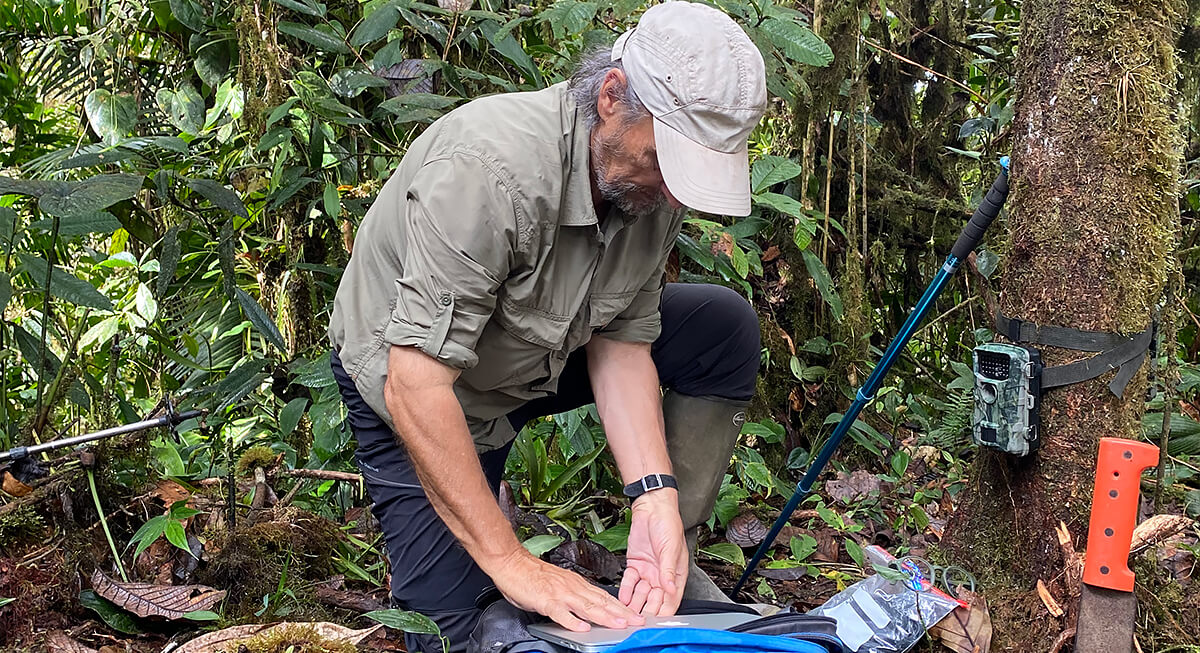
The WSU-led project analyzed camera-trap images from Washington, Montana’s Glacier National Park, and Guatemala’s Maya Biosphere Reserve. Testing across these diverse regions is essential because conservation teams must manage vastly different habitats under tight schedules. Accelerated image processing allows scientists to compare wildlife presence across study zones before a massive backlog slows down operations.
Whale Warnings Reach Ships In Real Time
Credit: Instagram
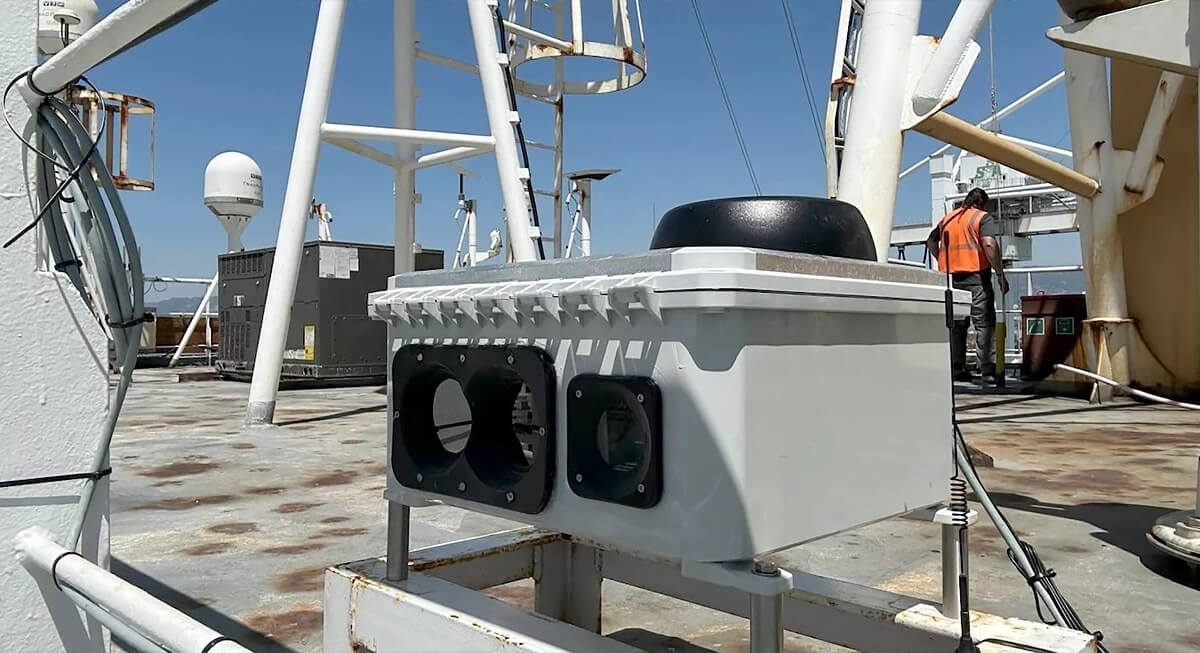
Animal tracking becomes an urgent priority when wildlife crosses a busy shipping channel. The WhaleSpotter, launched in San Francisco Bay, uses thermal imaging and artificial intelligence to detect gray whale blows and heat signatures up to 4 nautical miles away. The system alerts mariners so commercial vessels can slow down or reroute. Now, wildlife monitoring can serve as a tool for collision prevention.
Conservation Decisions Lose Less Time
Credit: Wikimedia Commons
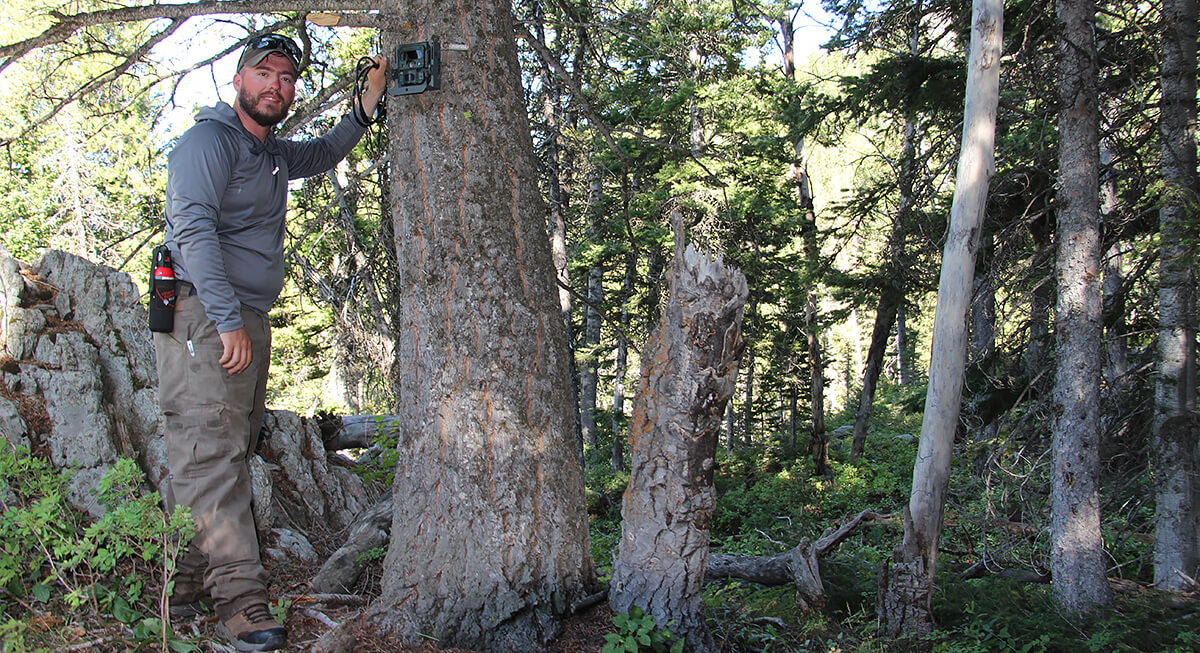
The practical benefits of AI in wildlife tracking far outweigh the flashy headlines. Faster data processing could support real-time monitoring for species such as jaguars, wolves, and grizzly bears. Conservationists emphasize that this technology is here to assist, not replace human researchers. By minimizing the delay between gathering field evidence and taking action, AI allows response teams to analyze fresh critical data.