We Can Now Track Animal Panic From Space, and It Actually Matters
Researchers at the Max Planck Institute of Animal Behavior recently launched a satellite system called Icarus that tracks animal movement in real time. But this is not just about following migration routes anymore. Scientists want wildlife itself to become a giant warning network that can alert rangers when something dangerous enters protected land. And strangely enough, it might work.
Animals Are Accidentally Becoming Security Systems
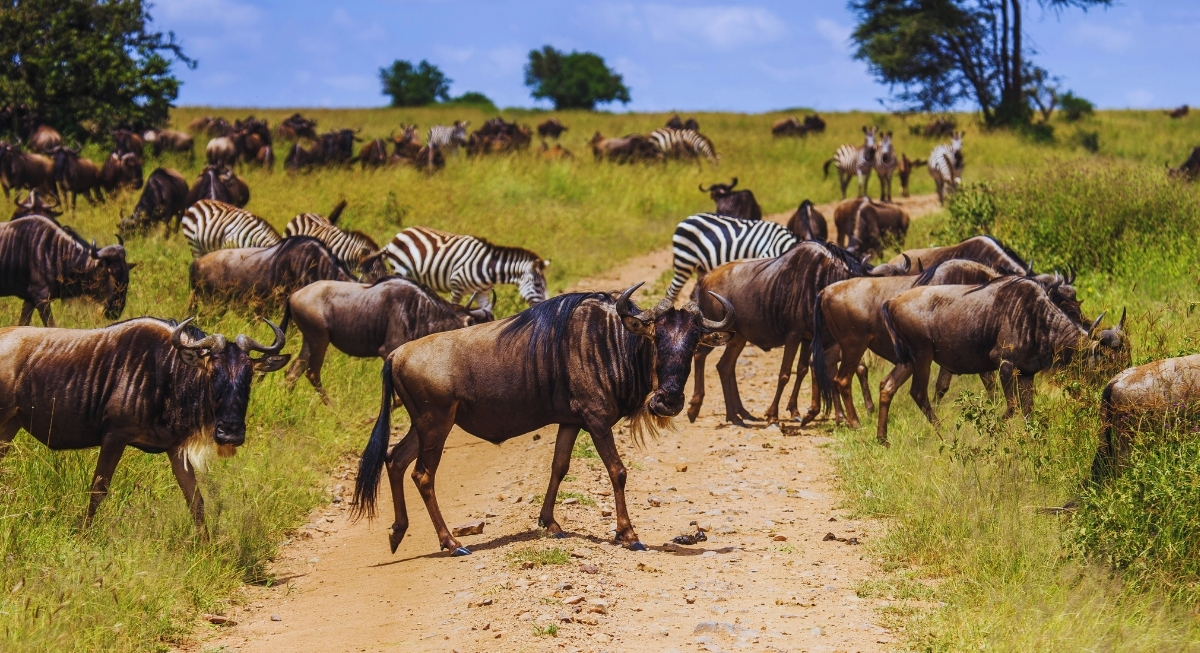
Image via Getty Images/Michelle Silke
The experiments started at Okambara Elephant Lodge in Namibia, about 100 miles outside Windhoek. Researchers staged fake poaching scenarios during 2024 using armed teams that moved through the reserve, firing rounds into the air while drones recorded how animals reacted.
Every species responded differently. Zebras bolted quickly, wildebeest ran long distances, and giraffes remained calm but focused their attention toward the threat. Researchers began mapping those movements into what they call “signature patterns of panic and withdrawal.”
This is important because poaching often happens in remote areas where rangers cannot cover enough ground fast enough. South Africa alone has lost more than 10,000 rhinos to poachers over the last 15 years, according to the International Rhino Foundation.
Scientists think animal behavior may solve part of that problem. Instead of waiting for humans to spot intruders, the system first watches how wildlife reacts.
The Tags Have Turned Into Tiny Wildlife Computers
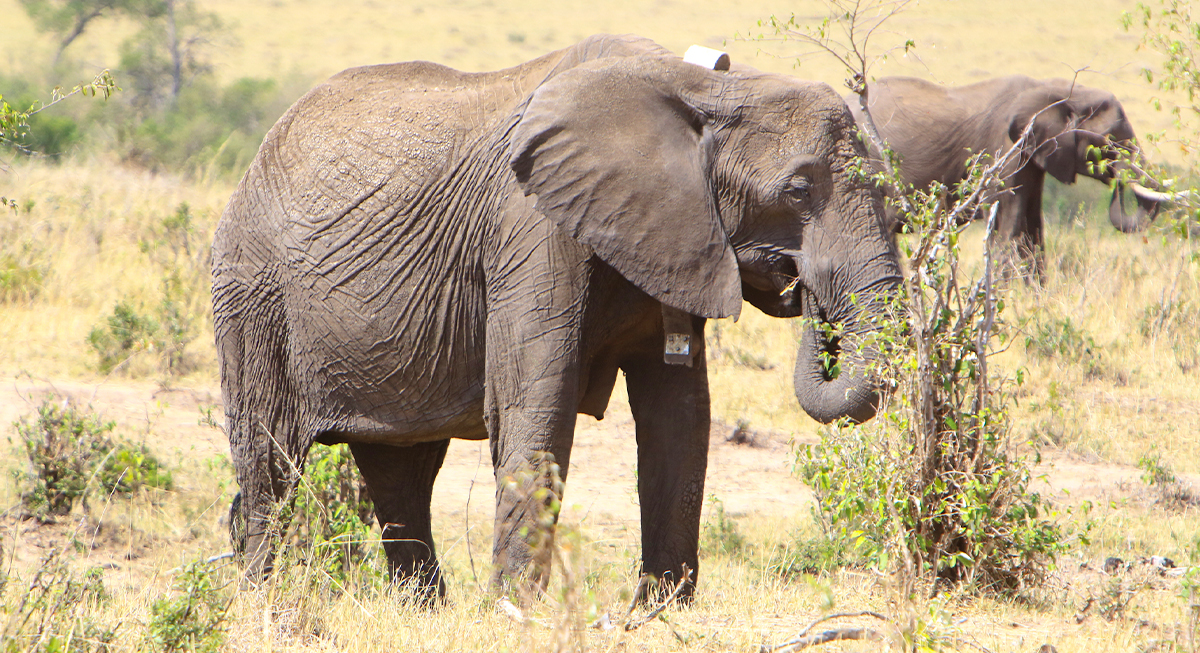
Image via iStockphoto/JordiStock
The tech behind this project has gone through a major transformation over the last decade. Early animal tracking collars weighed over 20 pounds and could only send simple radio signals. Modern tags can monitor GPS location, activity levels, heart rate, body temperature, and even atmospheric pressure. Some are now even small enough to fit on birds and butterflies!
Researchers say many of these tags work like miniature smart devices. They gather raw behavioral data and process part of it before transmitting signals back to Earth. If an animal suddenly stops moving, acts injured, or behaves outside its normal routine, the system can send alerts almost immediately.
At Kruger National Park in South Africa, the technology has already helped rangers rescue around 80 wild dogs trapped in snares. But the rhino project is still the bigger goal.
Kruger currently has about 3,000 ear tags on about 1,500 animals, including rhinos, zebras, elephants, and antelopes. Scientists hope those animals can eventually function as a connected surveillance system spread naturally across the landscape.
The Satellite Certainly Changes Things
Ground receivers already exist inside some reserves, but they come with limits. Coverage gaps are a major problem, especially in vast wilderness areas like the Congo Basin and the Amazon. That’s where Icarus comes in.
The project launched its first satellite in late 2025 aboard a SpaceX Falcon 9 rocket. Another microsatellite, Raven, entered orbit in May 2026. By 2027, researchers hope to have six receivers operating in space.
The shift is huge for conservation work. One scientist compared it to the transition from landline phones to mobile phones. Instead of relying on local towers, tagged animals could eventually send data directly through satellite systems almost anywhere on Earth.
That opens the door to tracking migratory birds, jaguars, snow leopards, elephants, and other species moving across enormous distances and political borders. It also changes anti-poaching work from reactive to proactive.
Right now, investigators often piece together attacks after they happen. Scientists hope these behavioral alerts can eventually warn rangers while poachers are still moving through the bush.