10 Animals With the Weirdest Sleep Habits on the Planet
Sleep in the animal kingdom doesn’t follow a single rulebook. The idea of a full night’s rest, lying still and unconscious, is mostly a human standard. Across species, sleep is shaped by survival, energy needs, and constant exposure to threats. That’s why the strangest sleep habits are precise adaptations that let animals rest without getting eaten, losing heat, or missing a chance to feed.
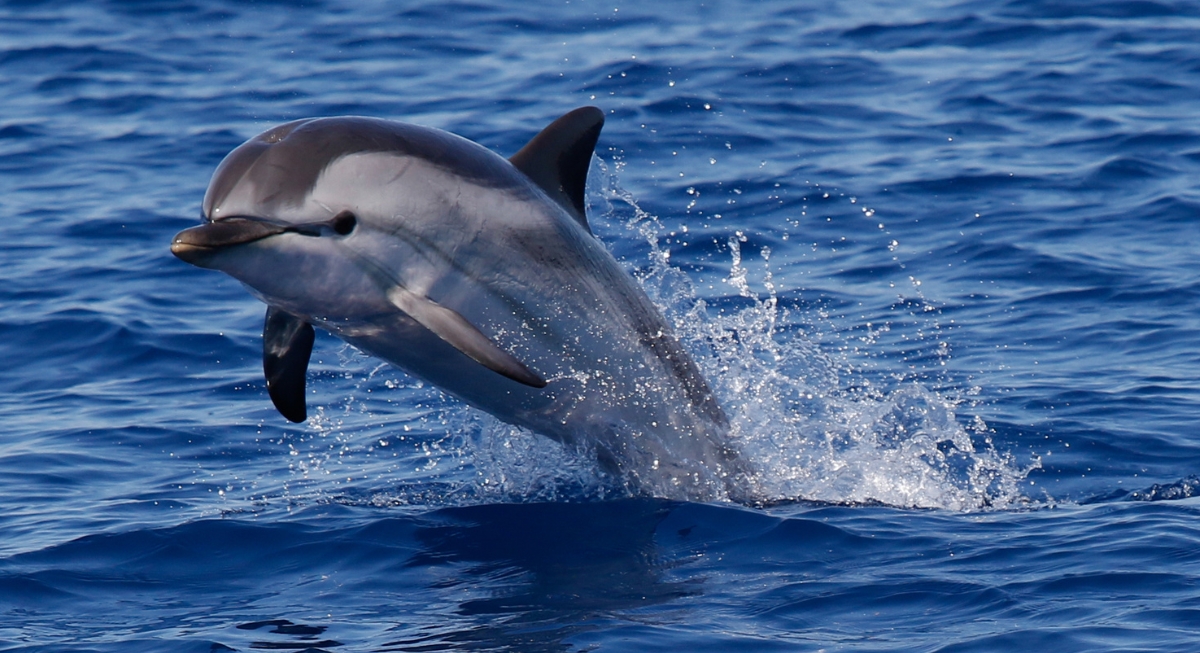
Dolphins Sleep With Half Their Brain
Credit: Getty Images
A dolphin can’t afford to fully power down. Breathing is a conscious action, so shutting off both brain hemispheres would be dangerous. Instead, it alternates which side rests, keeping one eye open and enough awareness to surface for air. This creates a rolling form of rest in which the body never fully disconnects, yet still recovers.
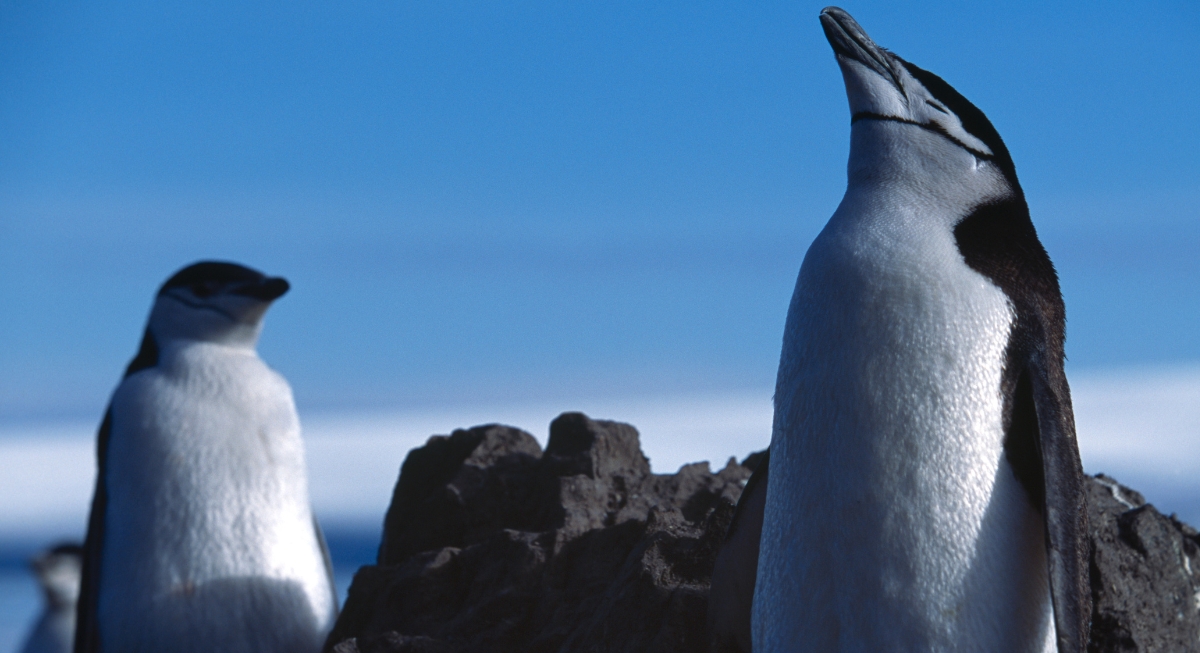
Chinstrap Penguins Nap In Seconds
Credit: Getty Images
Rather than settling into long sleep cycles, chinstrap penguins rely on repetition. They drop into sleep for just a few seconds at a time, then snap back up, repeating this thousands of times throughout the day. The result is a full night’s worth of rest broken into fragments, all while staying alert enough to protect eggs in crowded colonies.
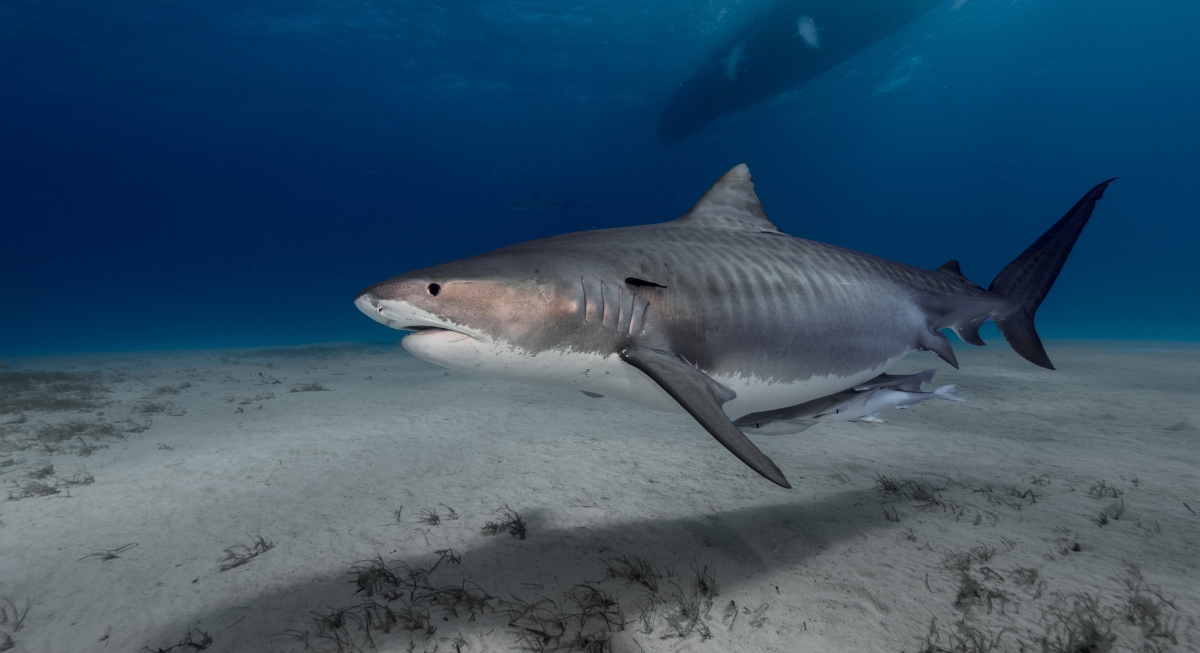
Sharks Rest While Still Moving
Credit: Getty Images
Stopping isn’t an option for many sharks because water must continuously pass over their gills. Their version of rest looks more like slowing down than shutting off. They remain in motion, but activity drops just enough to conserve energy. It’s closer to idling than sleeping, yet it serves the same purpose without interrupting breathing.
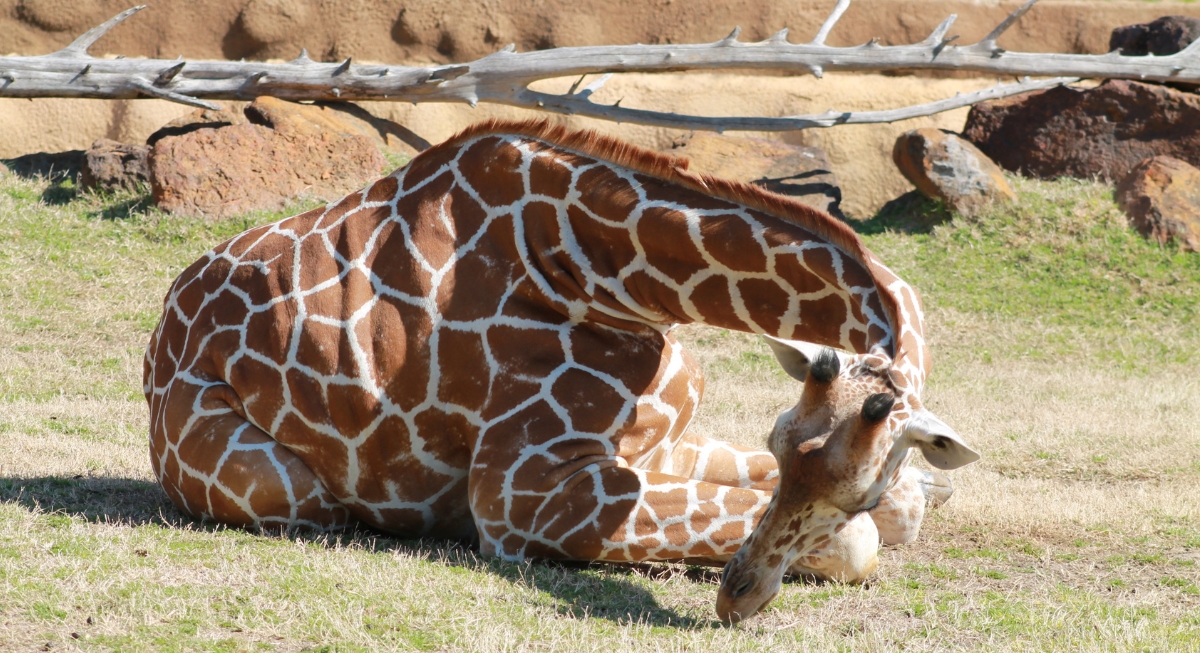
Giraffes Sleep In Brief Spurts
Credit: Canva
Giraffes don’t settle into long, uninterrupted sleep. Instead, they rest in short bursts spread across the day and night, often while standing. Lying down is rare and usually brief. This pattern fits the kind of life they live, where staying alert matters, and being fully unaware for too long could put them at risk in open landscapes.
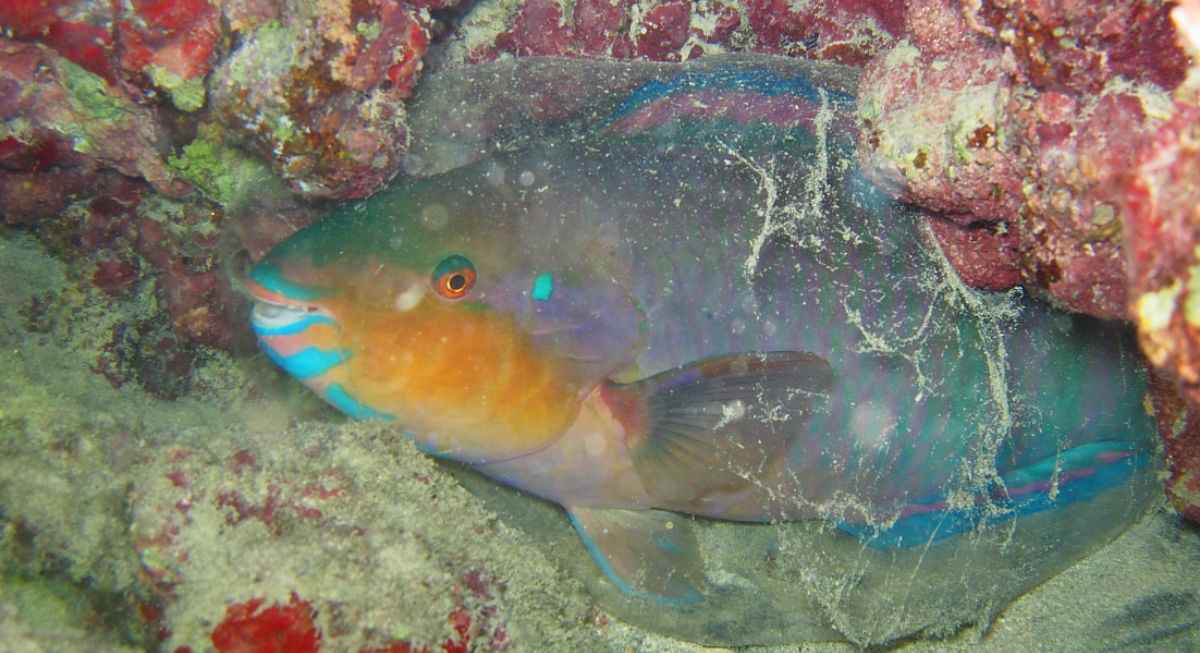
Parrotfish Seal Themselves In At Night
Credit: Wikimedia Commons
Before settling in, a parrotfish releases mucus that forms a thin cocoon around its body. Inside that layer, it remains insulated from parasites that hunt by scent. The barrier doesn’t just protect; it changes how the fish interacts with its environment while resting, turning sleep into something closer to hiding in plain sight.
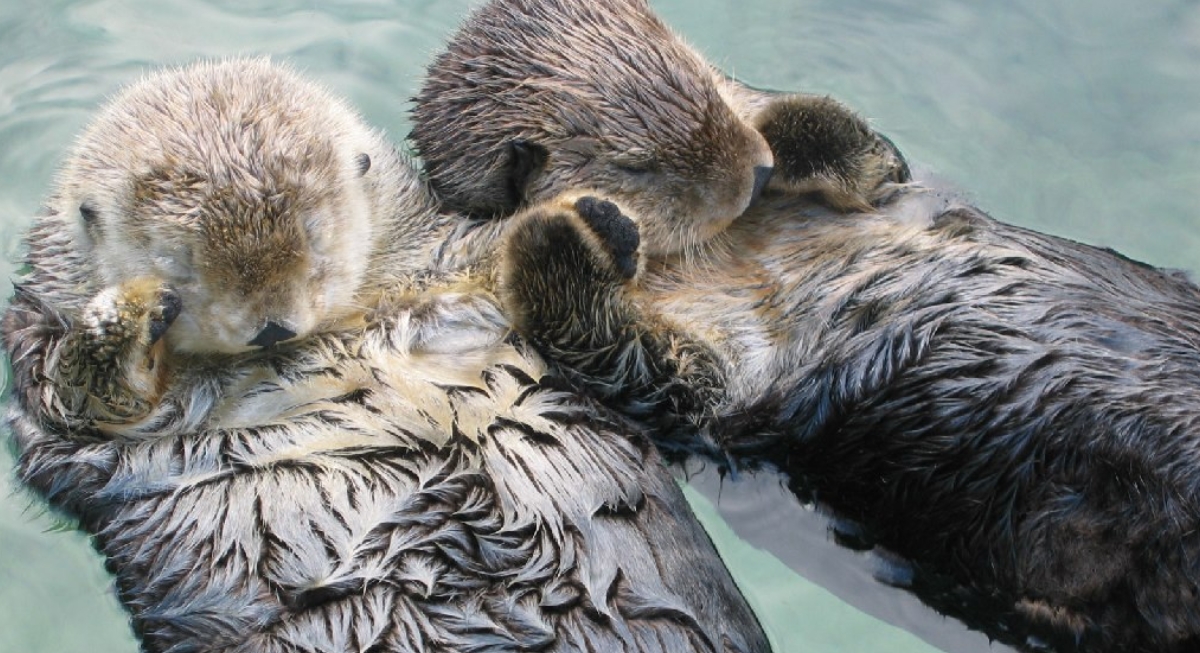
Sea Otters Stay Put While Floating
Credit: Wikimedia Commons
Drifting off at the ocean’s surface comes with an obvious problem: currents don’t stop. Sea otters solve it by anchoring themselves, either by wrapping in kelp or linking up with others. The result is a kind of suspended rest in which movement is just enough to keep them from being carried away.
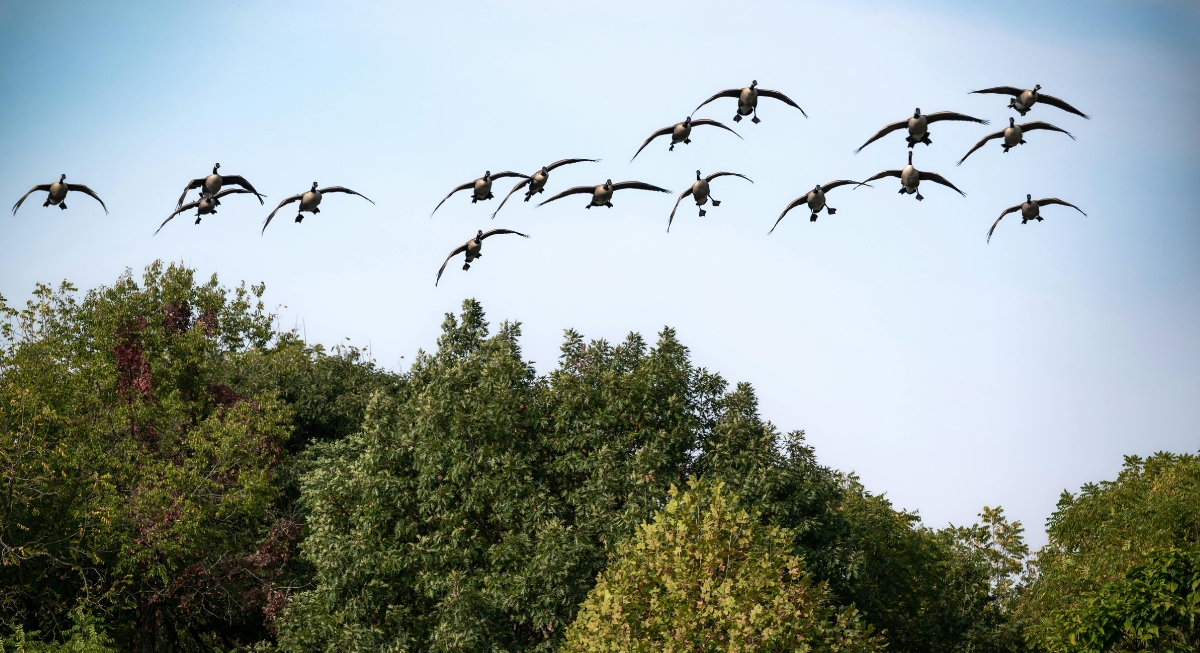
Migratory Birds Sleep In The Air
Credit: pexels
Long-distance flight doesn’t leave room for traditional rest. Some birds handle this by slipping into brief sleep phases mid-flight, sometimes resting only one side of the brain. They maintain altitude and direction while taking these short breaks, allowing migration to continue without full stops.
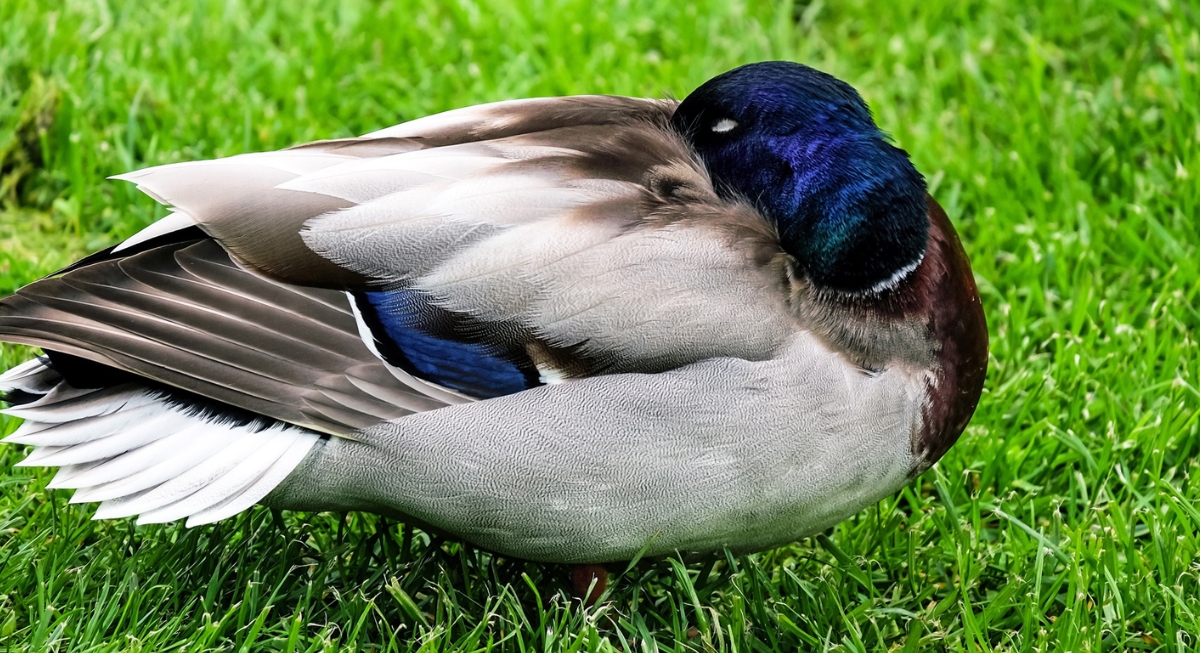
Ducks Rotate Responsibility At Night
Credit: Wikimedia Commons
When ducks settle down, position matters. Those on the edges remain partially alert, one eye open, while birds in the center rest more deeply. It’s not random. The group structure spreads risk, letting individuals recover without leaving the entire flock exposed at once.
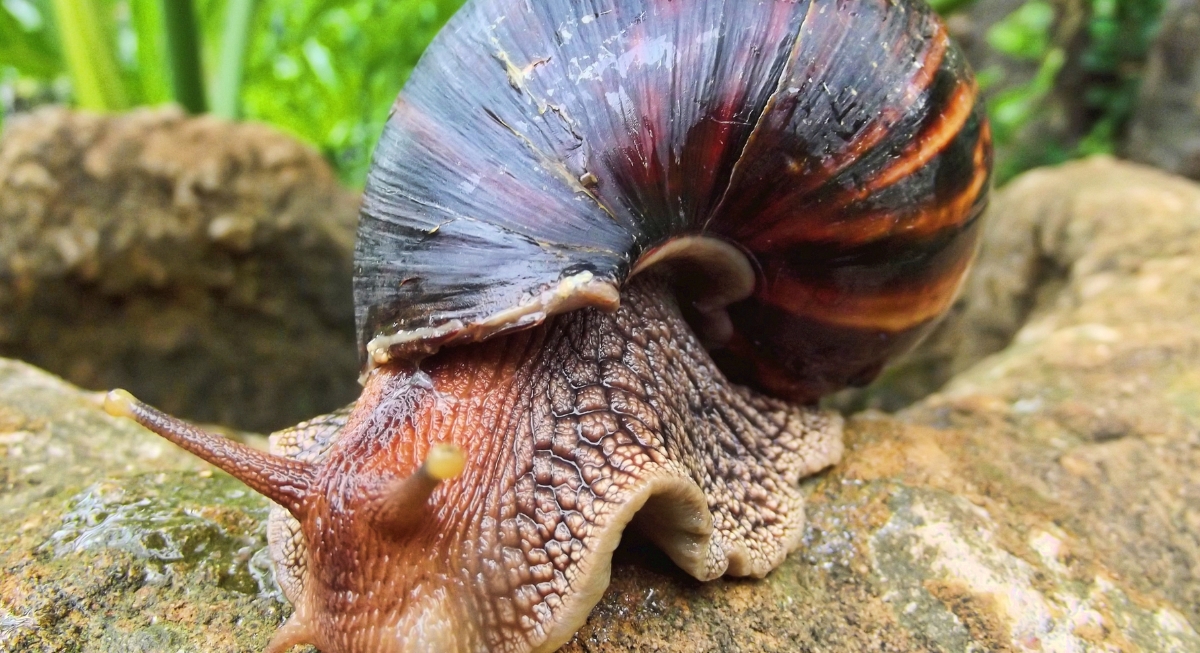
Snails Pause Life Entirely
Credit: Wikimedia Commons
Under extreme conditions, a snail can retreat into its shell and stay inactive for extended periods. This isn’t daily sleep but a full shutdown that stretches far beyond normal rest cycles. Time passes, conditions change, and only then does activity resume. It’s less about sleep duration and more about survival through suspension.
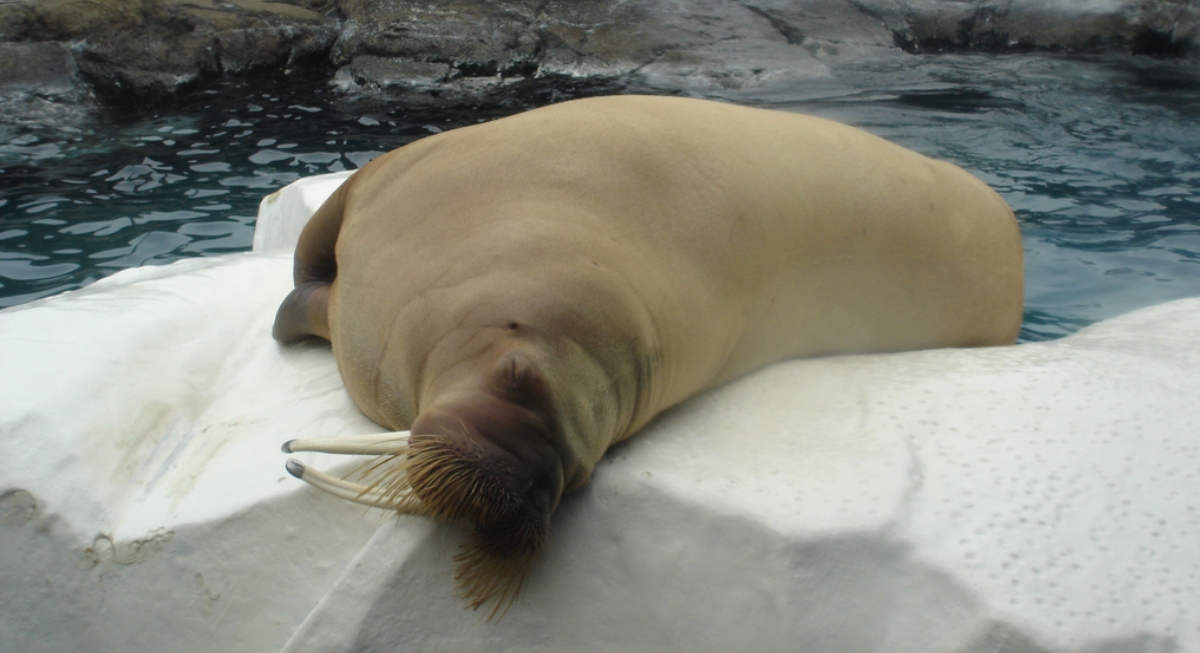
Walruses Swing Between Extremes
Credit: Wikimedia Commons
A walrus doesn’t follow a fixed rhythm. It may stay awake for days, then shift into long, heavy sleep once conditions allow. In water, rest is broken into shorter intervals because breathing interrupts it. On land or ice, those constraints ease, and the pattern changes again. Sleep adapts depending on where the animal is and what it needs in that moment.