What Every Vet Wishes First-Time Puppy Owners Knew Before the First Visit
The first puppy vet visit usually feels like a mix of excitement, confusion, and low-level panic. New owners walk in carrying vaccine papers, treats, chewed-up leashes, and a phone full of questions they started Googling at midnight. Meanwhile, the puppy is trying to greet every person, sniff every corner, or eat something off the clinic floor before anyone notices.
Veterinarians see the same nervous energy every day, especially from first-time owners who worry they are already doing something wrong. Most vets are not expecting perfection at that first appointment. What they really want is to help owners build healthy routines early, catch small issues before they turn into expensive problems, and make the clinic feel normal for the puppy instead of frightening.
The Clock Starts Ticking
Image via Getty Images/Lazy_Bear
Most vets recommend bringing a new puppy in within a few days to a week after arriving home. Puppies have developing immune systems, which leave them more vulnerable to illnesses such as parvovirus, kennel cough, intestinal parasites, and respiratory infections.
A lot can also get missed between the breeder, shelter, rescue, and new owner. Vaccines may be incomplete, deworming schedules may need updating, and microchip information may still carry the breeder’s contact details. That first visit helps establish a medical timeline before small issues turn into expensive emergencies.
It also gives vets a chance to catch congenital problems early. During the exam, they typically check the puppy’s heart, lungs, joints, eyes, ears, teeth, skin, abdomen, and weight. Some clinics also collect stool samples to screen for parasites, which vets say are extremely common in young dogs.
The Waiting Room Is Part of the Visit
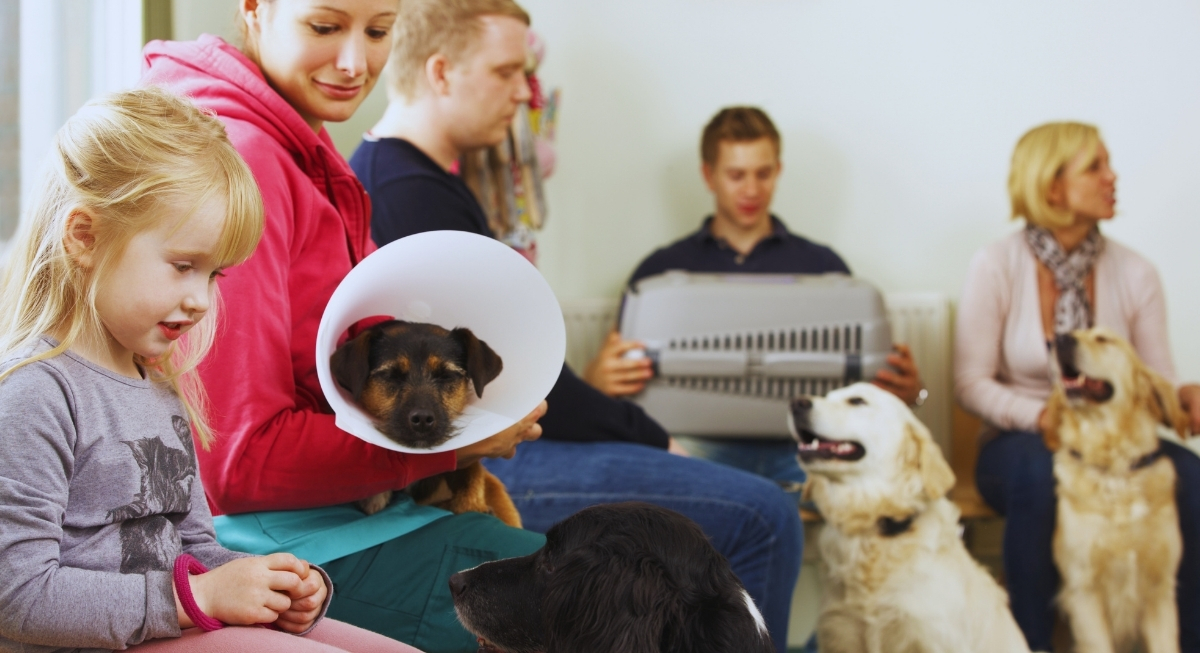
Image via Canva/Monkey Business Images
Many first-time owners focus on what happens inside the exam room and forget that the waiting room can be stressful for puppies. Veterinary clinics have unfamiliar smells, strange sounds, other animals, and nervous humans. Puppies absorb all of it quickly. That’s why vets often suggest bringing a crate, blanket, treats, or a favorite toy to help keep the puppy calm.
Small puppies also should stay off the floor until they finish their vaccine series. Clinics repeatedly warn owners about this because unvaccinated puppies can pick up contagious illnesses in shared spaces.
The car ride is also important, as puppies form associations fast. If every drive ends with thermometers and needles, they can start dreading the car before they even learn basic commands. Experienced vets often encourage owners to take puppies on short, low-stress drives that do not end at the clinic. It helps prevent future meltdowns before appointments even begin.
The Vital Paperwork
Veterinarians quietly lose years off their lives when owners arrive saying, “I think the breeder gave one vaccine… maybe?” Medical records save time, money, and confusion. Vaccine history, deworming details, prior medications, and microchip information all help vets build an accurate care plan. Without records, clinics sometimes have to restart vaccine schedules just to stay safe.
That is also why many vets encourage owners to bring a written list of questions. Once the appointment starts, people tend to forget half the things they wanted to ask. And first-time puppy owners usually have plenty to ask. How much exercise is too much? When should grooming start? Is crate training a good idea? How often should the puppy eat? When can they safely visit parks or meet other dogs?
Vets expect these questions, and they would rather address 20 small concerns than face an avoidable problem later.
Puppies Rarely Read the Rulebook
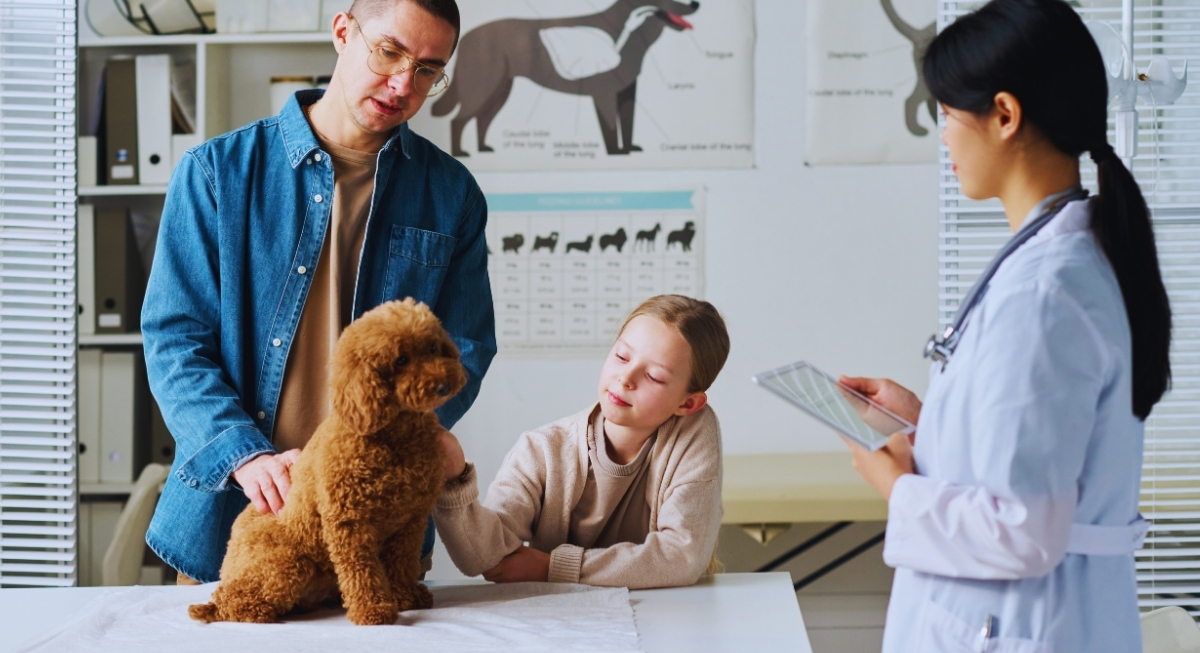
Image via Canva/Pressmaster
One of the biggest surprises for new owners is how quickly puppies can go downhill when sick. A little diarrhea may quickly turn serious. Thick discharge around the eyes or nose can indicate infections that require treatment. Bloated stomachs, vomiting, coughing, extreme tiredness, and visible worms in stool all deserve quick attention.
Puppies also hide discomfort better than people expect. Some still bounce around while dealing with parasites, fevers, or skin infections. That is why vets spend so much time talking about prevention during the first visit. Flea, tick, and heartworm prevention often comes up early because waiting until a puppy looks sick can create much bigger problems later.
The first appointment also introduces long-term topics many owners do not expect so soon, including spaying, neutering, training habits, nutrition plans, and yearly wellness care. For vets, the appointment is not just about a tiny puppy on a metal table. It is about building routines before bad habits, skipped treatments, and preventable illnesses have time to settle in.