What the Sound of a Cat’s Purr Actually Reveals
If you have ever held a tiny kitten, it is hard to believe that the soft rumble you feel starts just days after birth. Kittens are born blind and deaf, yet they begin purring almost immediately. That vibration helps their mother locate them and signals that they are feeding and safe. She purrs back, and that steady exchange strengthens their bond from the very start.
The Mechanics Behind The Vibration

Image via Getty Images/Oleksandra Polishchuk
For years, scientists debated how cats generate the sound. Current research points to a neural oscillator in the brain that sends rhythmic signals to the laryngeal muscles. Those muscles rapidly open and close the glottis while the cat breathes in and out. Air passes through vibrating vocal folds to produce a continuous hum.
The range typically falls between 25 and 150 vibrations per second. However, not every big cat can do it. Species that roar, such as lions and tigers, have anatomical differences in the larynx that prevent true purring. Cats that can purr, like bobcats and mountain lions, lack the structure required to roar.
Happiness Is Only Part Of The Story
Most of us think that contentment in cats makes them purr, but it is only one piece. Cats also purr when anxious, injured, or in pain. Behavioral experts have compared the purr to a human smile. People smile when relaxed, nervous, or trying to ease tension, and cats use their rumble in similar ways.
Veterinarian Gary Weitzman of the San Diego Humane Society has noted that purring may express fear or stress as well as comfort. The sound can serve as self-soothing through endorphin release. That explains why a sick or laboring cat might still produce the same steady vibration. Body posture, ear position, and tail movement help decode what that sound signals in the moment.
The “Soliciting” Purr That Gets Results
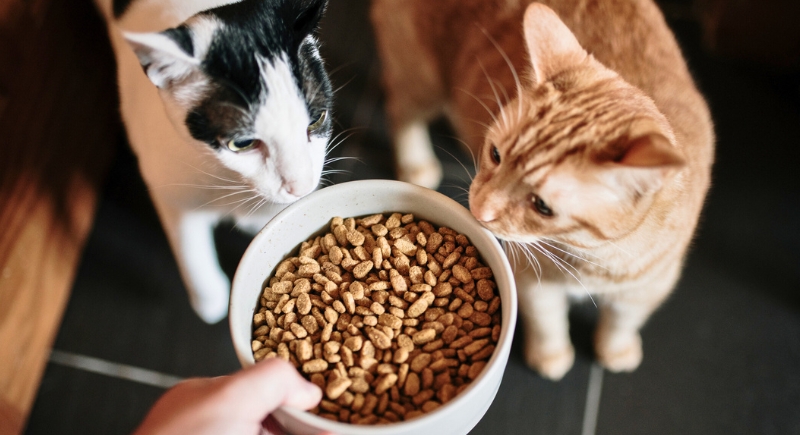
Image via iStockphoto/MarioGuti
Researchers at the University of Sussex identified a variation known as the “soliciting purr.” This version combines the low rumble with a higher frequency similar to a human infant’s cry.
Humans respond instinctively to that pitch. Many owners feed their cats before making their own coffee in the morning. That’s because the added high frequency increases urgency and grabs attention. It is communication sharpened by cohabitation.
A Frequency That May Heal
The vibration range of 25 to 50 hertz corresponds with frequencies known to stimulate bone growth in medical research. Around 100 hertz has been linked to tissue repair. Studies suggest that these low-frequency vibrations may reduce pain and promote healing.
Cats often purr while resting or recovering. Some researchers theorize that this constant, low-energy vibration helps maintain bone density and support tissue repair. The theory remains under study, but the frequency overlap with therapeutic vibration treatments in humans keeps interest high. Even stroking a purring cat has been shown to lower human blood pressure and stress levels. The benefit appears to run both ways.
The Hidden Genetic Clue
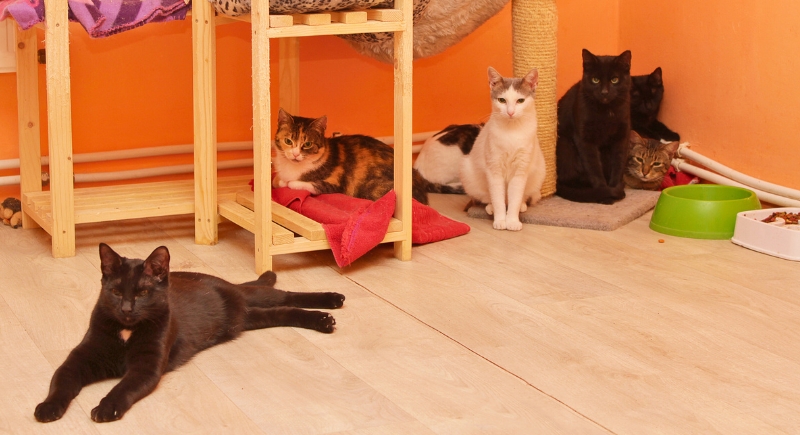
Image via Getty Images/narcisa
In 2024, researchers at Kyoto University studied 280 mixed-breed cats in Japan and analyzed a section of the androgen receptor, or AR, gene. This gene contains a glutamine repeat sequence that ranges from 15 to 22 repetitions.
Cats with 18 or fewer repeats tended to purr and vocalize more often. Males in that range showed more expressive behavior, while females were more assertive with strangers. Wild feline relatives did not carry the longer 20 to 22 repeat version, but purebred domestic cats were more likely to have it. Researchers believe this pattern may have developed after domestication, possibly influenced by human preference.