What to Do If Your Dog Gets a Snake Bite or Bee Sting: A Seasonal First Aid Guide
Warmer months usually mean more time outside for your dog, whether that’s longer walks, open fields, or just lounging in the yard. That extra freedom comes with a bit of risk. Curious dogs can easily get too close to bees, wasps, or even snakes without realizing the danger.
Not every encounter is equally serious, and how you respond matters. A bee or wasp sting is often mild and manageable with basic care at home. A suspected snake bite is different. Even if your dog seems okay at first, it needs immediate attention. Knowing how to tell the difference can help you stay calm and act quickly when it counts.
How to Recognize a Bee or Wasp Sting
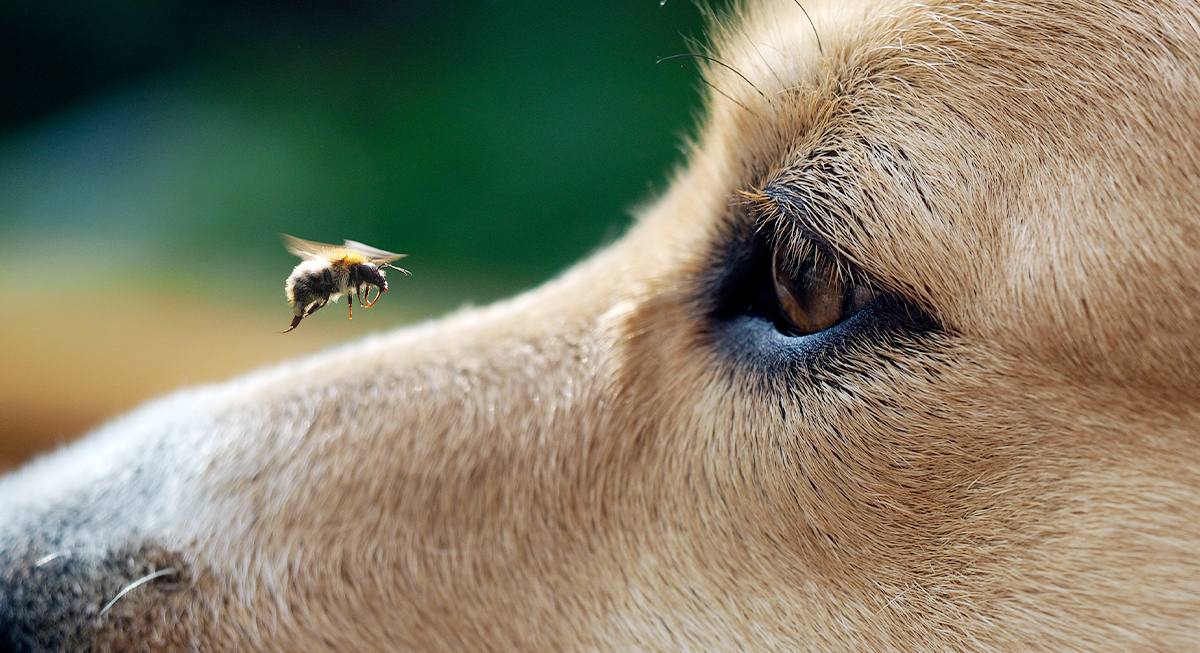
Image via iStockphoto/kozorog
Most stings show signs quickly and are easy to spot. You’ll usually see localized swelling, redness, and warmth at the site, and your dog may lick or chew the area due to irritation. These reactions tend to stay contained and improve within a few hours.
More serious symptoms look different and escalate fast. For example, swelling around the face or muzzle, difficulty breathing, vomiting, diarrhea, excessive drooling, or sudden lethargy point to an allergic reaction and require urgent care.
What to Do Immediately After a Sting
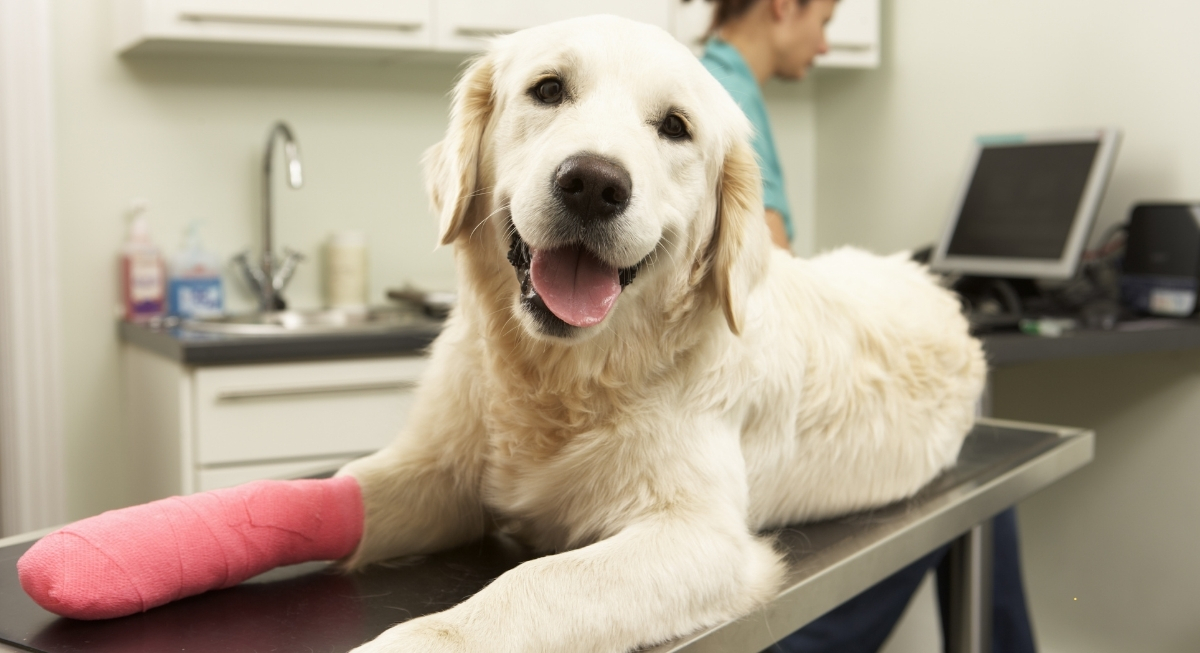
Image via Canva/Monkey Business Images
Start by checking for a stinger. Bees leave one behind, while wasps do not. If it’s visible, scrape it out with a flat object, such as a credit card, or use your fingernail. Avoid using tweezers, as squeezing the stinger can release more venom.
Next, apply a cold compress wrapped in cloth to limit swelling. A simple baking soda-and-water paste can help calm the area. After that, keep your dog under observation for the next few hours to watch for any signs of a reaction.
In mild cases, a vet may recommend an antihistamine, but this should only be given with professional guidance. Multiple stings, stings inside the mouth or throat, or swelling that doesn’t ease within a few hours all increase the risk and warrant a veterinary visit.
How to Recognize a Snake Bite (Even If You Didn’t See It)
Snake bites are harder to confirm because the wounds themselves are often difficult to find. The bite may leave faint puncture marks hidden under fur, and some dogs show little reaction at first.
What matters more are the symptoms. Common signs include sudden lethargy, weakness, trembling, dilated pupils, or difficulty moving. In more severe cases, dogs may lose control of their bladder or bowels, show signs of bleeding, or develop dark-colored urine.
One pattern that stands out is seeing a dog collapse and then appear to recover quickly. That brief recovery can still indicate a serious envenomation and should never be ignored. Symptoms may also take hours to appear, so any suspicion of a bite should be taken seriously.
What to Do Immediately After a Snake Bite
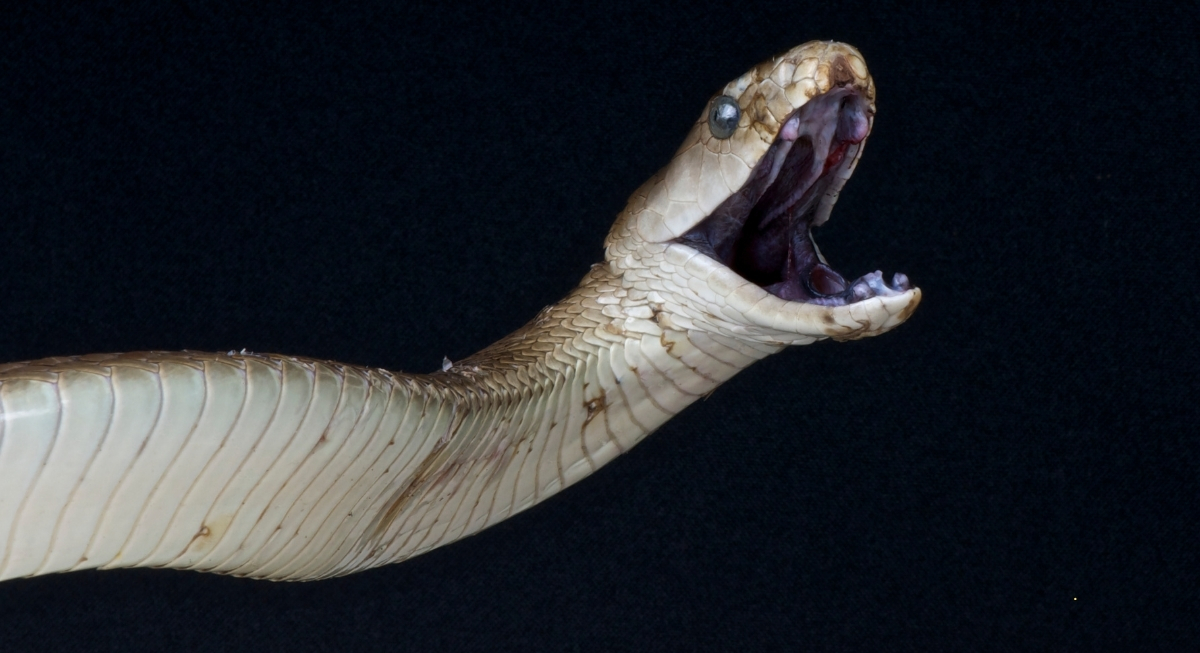
Image via Canva/Reptiles4All
Keep your dog as still as possible. Movement speeds up the spread of venom through the body, so limiting activity is critical. If you can identify the bite location, apply a firm bandage over and around the area to slow the spread of venom.
Remove collars if the bite is near the head or neck to allow swelling to occur. As you prepare to leave, call your veterinarian or an emergency clinic to confirm whether antivenom is available and to prepare for your arrival.
From there, transport your dog immediately. Treatment at home is ineffective, and survival depends on how quickly professional care is provided.
What Not to Do After a Snake Bite
Certain actions can make the situation worse and should be avoided. Do not try to suck out the venom, apply ice, or use a tourniquet, as these methods can increase tissue damage or restrict blood flow.
Avoid handling or approaching the snake as well. Identifying it is not necessary for immediate care, and trying to do so increases risk.
How to Reduce Risk During Peak Season
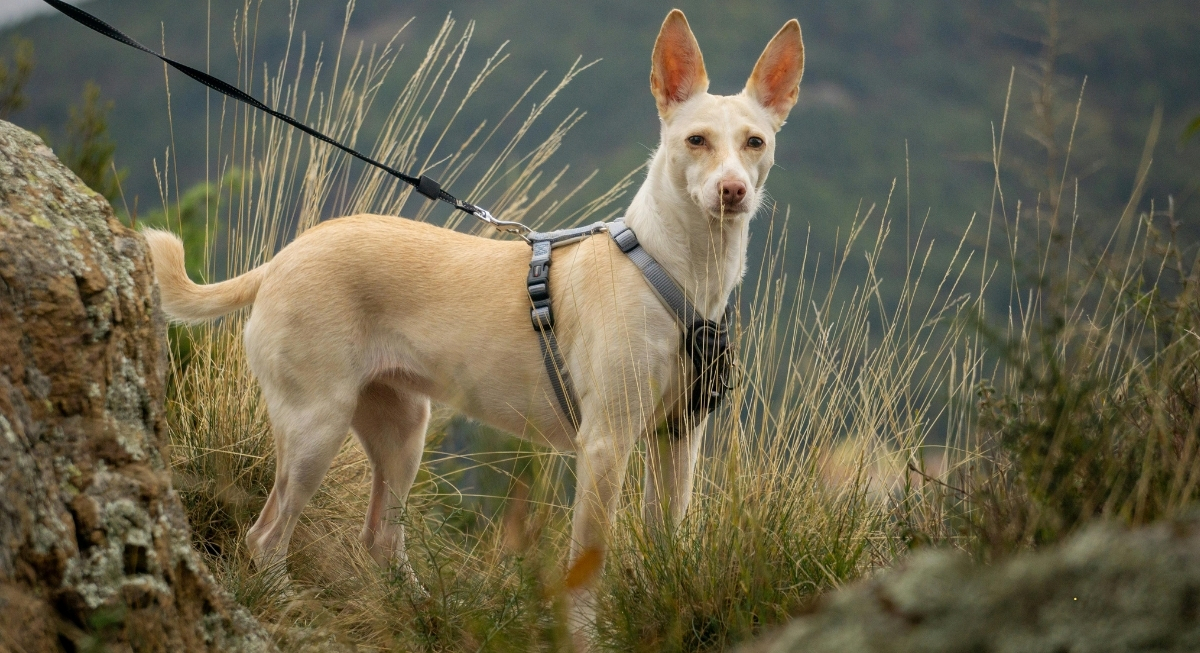
Image via Pexels/Christoph Hanssen
Reducing exposure starts with awareness of where risks are highest. Keep your dog on a leash in areas with tall grass, rocky spaces, or dense brush where snakes may hide. Regularly check your yard for nests, hives, or potential snake habitats like woodpiles or debris.
Training commands such as “leave it” can help prevent dogs from chasing insects, and clearing attractants like food sources for rodents can make outdoor spaces less appealing to snakes .